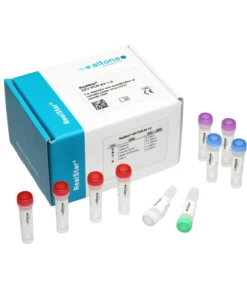
Cardiolipin (aCL) IgA Antibodies
What it is
The Cardiolipin (aCL) IgA Antibodies test detects IgA class autoantibodies directed against cardiolipin, a phospholipid involved in blood clotting. These antibodies belong to the antiphospholipid antibody family and are associated with an increased risk of abnormal blood clotting, autoimmune disorders, and pregnancy complications.
Uses
This test helps in diagnosing Antiphospholipid Syndrome (APS), especially in patients with unexplained blood clots, recurrent pregnancy loss, or autoimmune diseases like lupus. It is often performed alongside cardiolipin IgG and IgM, as well as lupus anticoagulant testing, for a comprehensive evaluation.
Symptoms That May Lead to the Test
Doctors may recommend this test if a patient experiences recurrent deep vein thrombosis (DVT), pulmonary embolism, unexplained strokes, multiple miscarriages, or has autoimmune conditions such as systemic lupus erythematosus (SLE). Skin changes like livedo reticularis (a mottled purple rash) may also prompt testing.
Abnormal Results
Positive IgA antibodies: Indicate the presence of antiphospholipid antibodies, supporting the diagnosis of Antiphospholipid Syndrome. They may suggest a higher risk of clotting events and pregnancy complications.
Negative result: No IgA antibodies detected. However, a negative result does not exclude APS, as patients may still have IgG or IgM positivity.
Risks
The test is a routine blood test with minimal risks. Possible side effects include mild pain, bruising, or bleeding at the puncture site, and rarely dizziness or infection.


Reviews
There are no reviews yet.