Cardiolipin Antibodies IgG, Serum
What it is
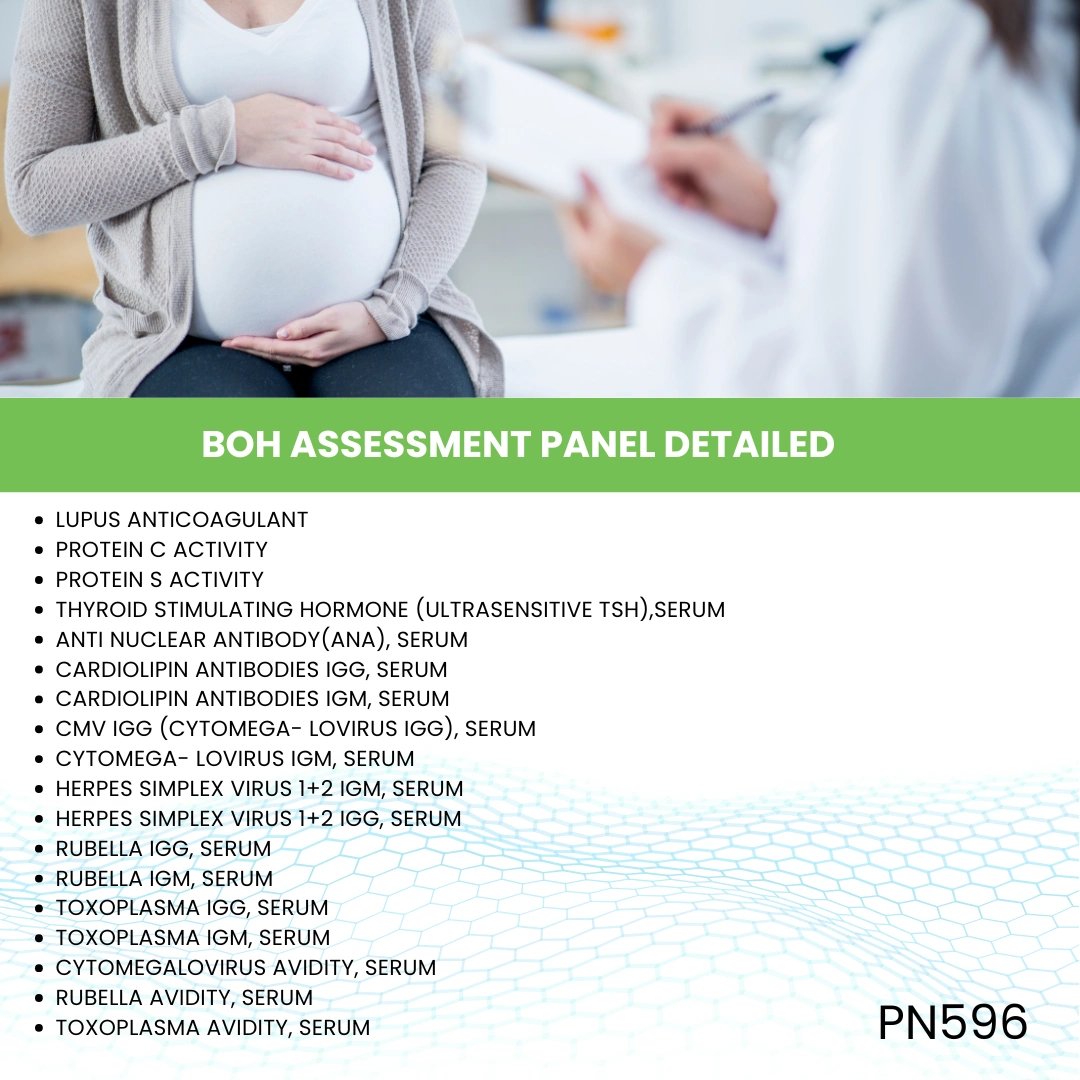
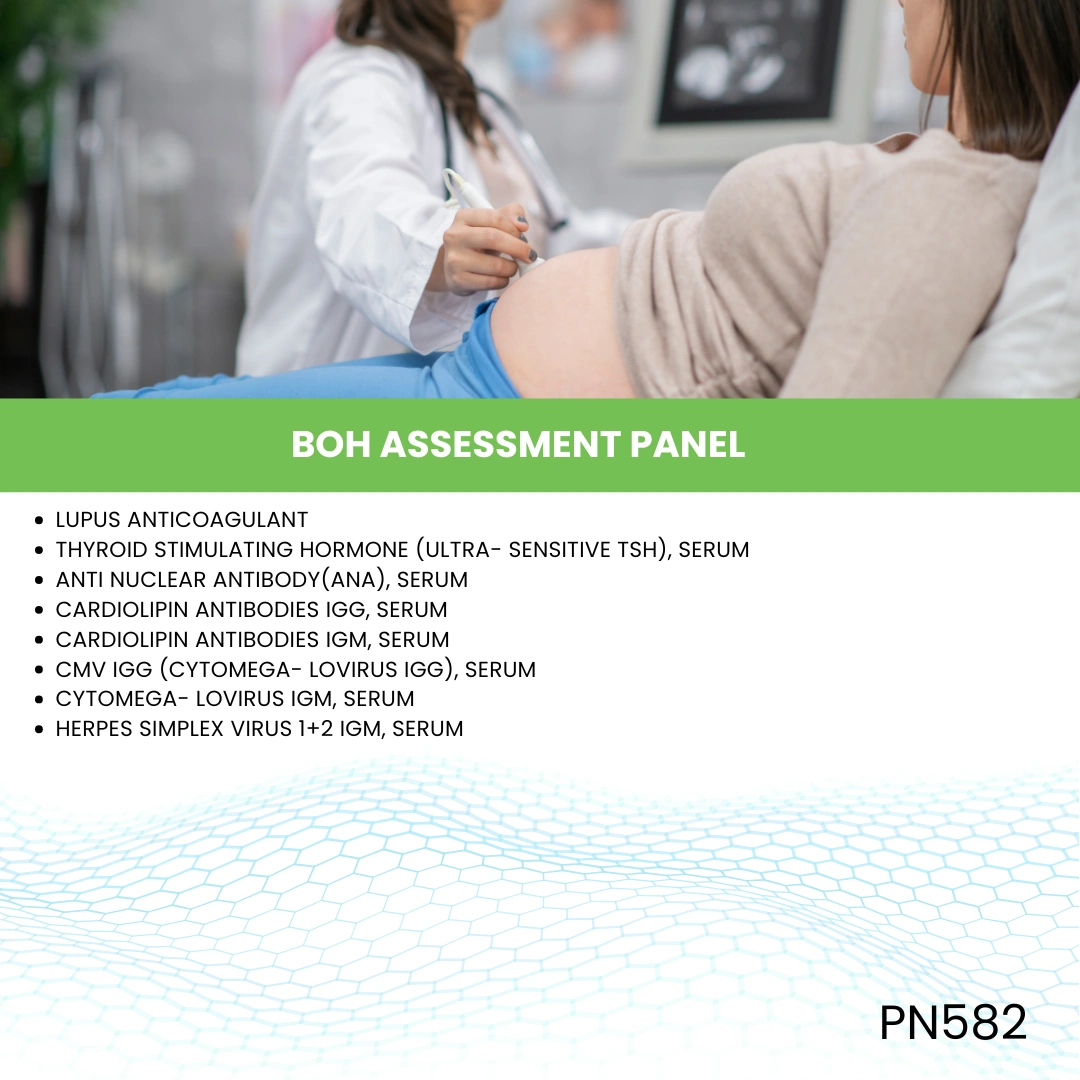
The Cardiolipin Antibodies IgG test measures IgG autoantibodies against cardiolipin, a phospholipid found in cell membranes. These antibodies are part of the antiphospholipid antibody (APLA) group and are linked to abnormal blood clotting and pregnancy complications. The test helps in diagnosing autoimmune conditions such as Antiphospholipid Syndrome (APS).
Uses
This test is commonly used to diagnose Antiphospholipid Syndrome (APS), evaluate patients with unexplained blood clots, investigate recurrent miscarriages or pregnancy complications, and assess the risk of stroke or heart attack in young individuals. It is often performed with other APLA tests like Beta-2 Glycoprotein and Lupus Anticoagulant.
Symptoms That May Lead to the Test
Doctors may order this test if you have a history of deep vein thrombosis (DVT), pulmonary embolism, unexplained pregnancy loss, preeclampsia, or unexplained clotting disorders. It may also be considered in cases of stroke or transient ischemic attack (TIA) in young patients.
Abnormal Results
Positive IgG: Indicates the presence of antiphospholipid antibodies, supporting a diagnosis of APS when results are persistent (at least 12 weeks apart). A positive result is linked to a higher risk of blood clots and pregnancy complications.
Negative IgG: Suggests no detectable cardiolipin IgG antibodies. However, it does not rule out APS, as some patients may test positive for other antibody types like IgM or IgA.
Risks
The risks are minimal since this is a routine blood test. Possible side effects include mild pain, bruising, or bleeding at the puncture site, and rarely dizziness or infection.


Reviews
There are no reviews yet.