Catecholamines, Plasma
What it is
The Catecholamines, Plasma test measures the levels of catecholamines—dopamine, norepinephrine, and epinephrine—in the blood. These hormones are produced mainly by the adrenal glands and play a vital role in the body’s stress response, regulating heart rate, blood pressure, and metabolism. Abnormal levels may indicate adrenal or nervous system disorders.
Uses
This test is primarily used to help diagnose tumors that produce excess catecholamines, such as pheochromocytomas, paragangliomas, and neuroblastomas. It can also be used to evaluate unexplained high blood pressure, anxiety-like episodes, or autonomic dysfunction. In some cases, it is ordered to monitor treatment effectiveness after tumor removal.
Symptoms That May Lead to the Test
Doctors may recommend this test if you experience episodes of severe high blood pressure, rapid heartbeat (tachycardia), excessive sweating, tremors, headaches, anxiety, or unexplained palpitations. In children, the test may be ordered if symptoms suggest neuroblastoma, such as abdominal masses, bone pain, or weight loss.
Abnormal Results
Elevated Catecholamines: May indicate adrenal gland tumors (pheochromocytoma or paraganglioma), neuroblastoma in children, severe stress, or certain medications. Markedly high levels usually point to a tumor-related cause.
Normal or Slightly Elevated Levels: May still occur in tumor cases because catecholamine secretion can be intermittent. Additional confirmatory tests (plasma metanephrines or 24-hour urine catecholamines) are often recommended.
Risks
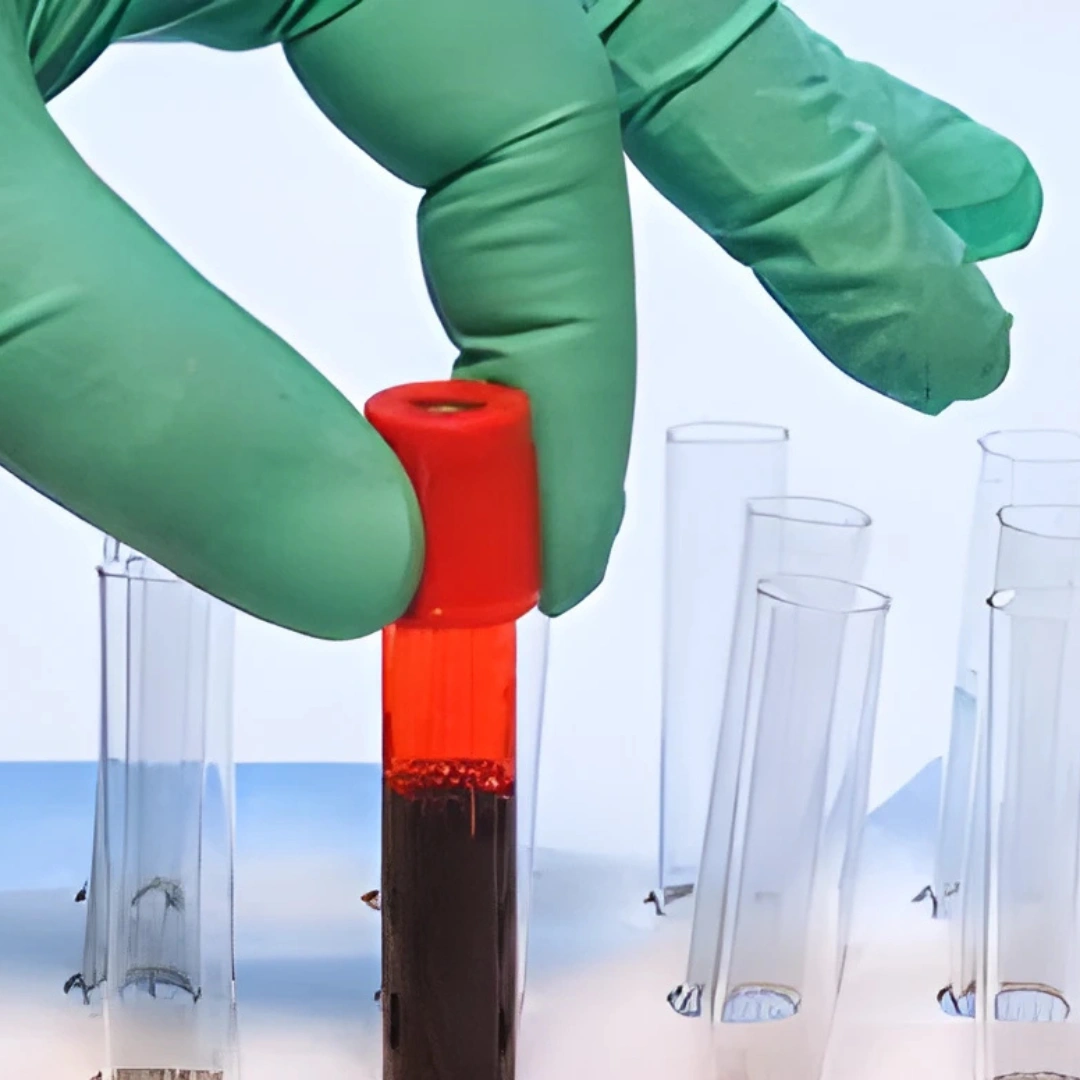
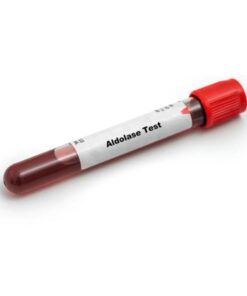
The test requires a standard blood draw, with minimal risks such as mild pain, bruising, or dizziness. Since catecholamine levels can fluctuate, stress, certain foods (like caffeine, bananas, chocolate), and medications may affect results. Patients are often advised to avoid these before the test.


Reviews
There are no reviews yet.