CD10 (CALLA)
What it is
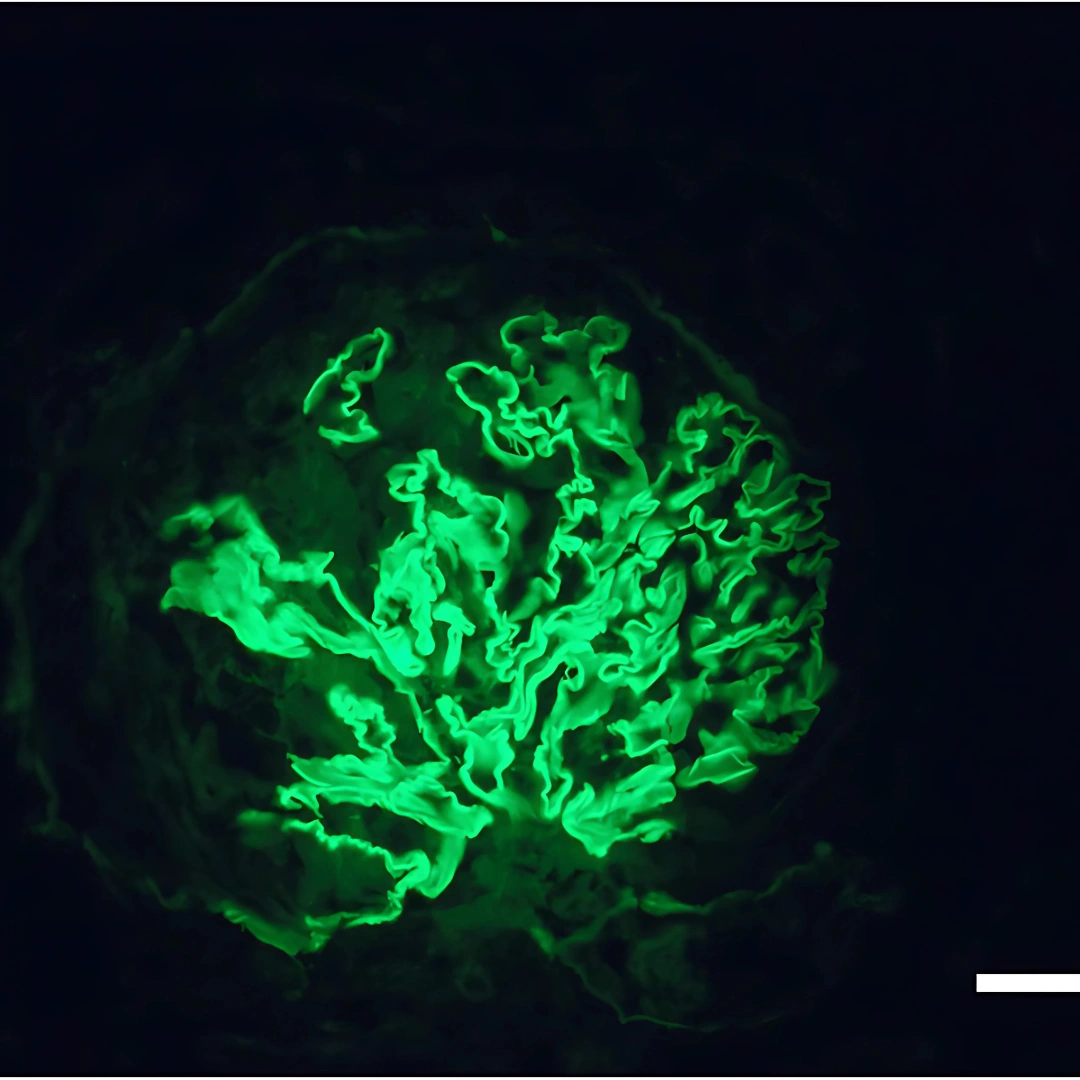
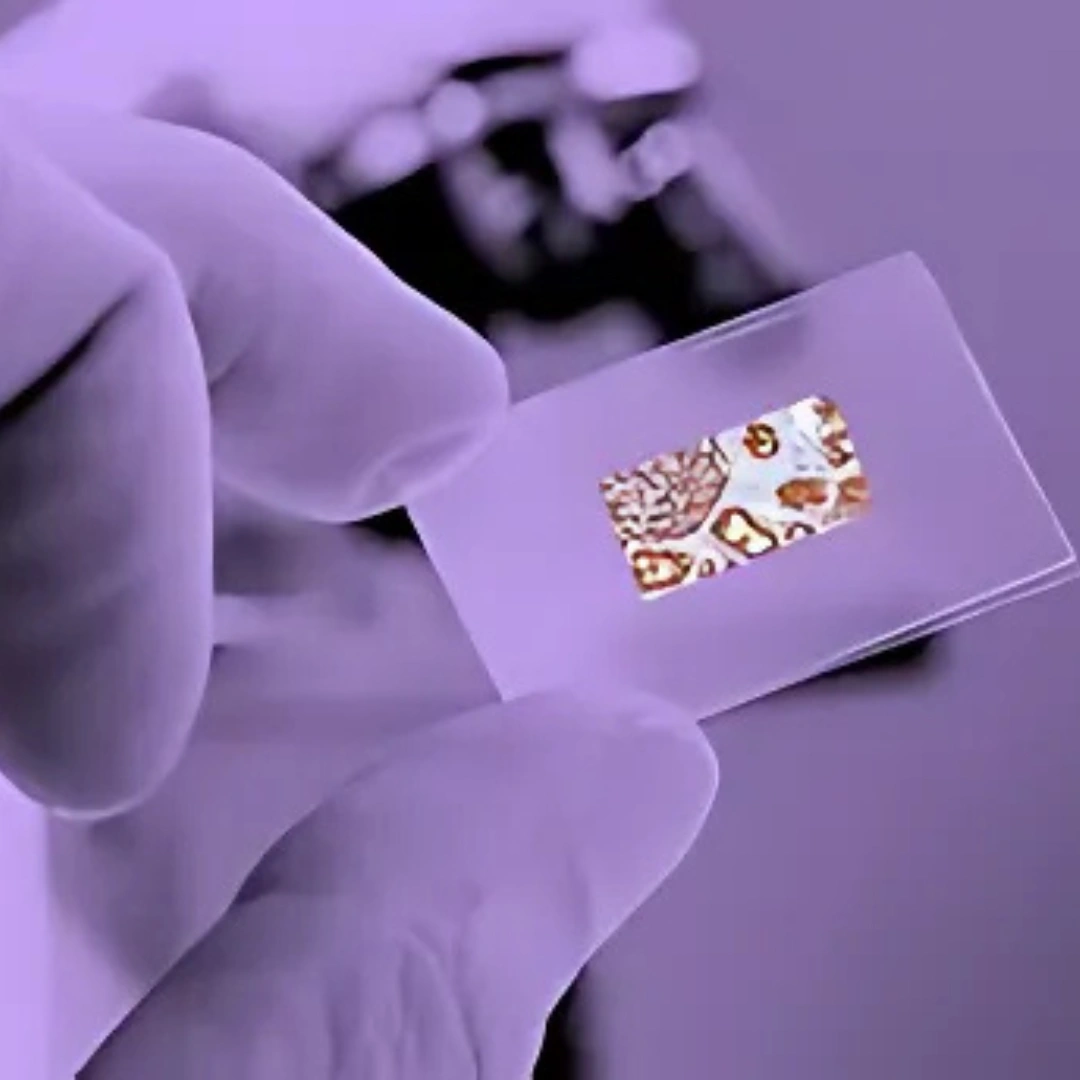
The CD10 (Common Acute Lymphoblastic Leukemia Antigen, CALLA) test is an immunohistochemistry or flow cytometry marker used to detect CD10 expression on certain cells. CD10 is a cell surface enzyme (also known as neutral endopeptidase) expressed in early lymphoid progenitor cells and some non-lymphoid tissues. It is an important diagnostic marker in hematology and oncology.
Uses
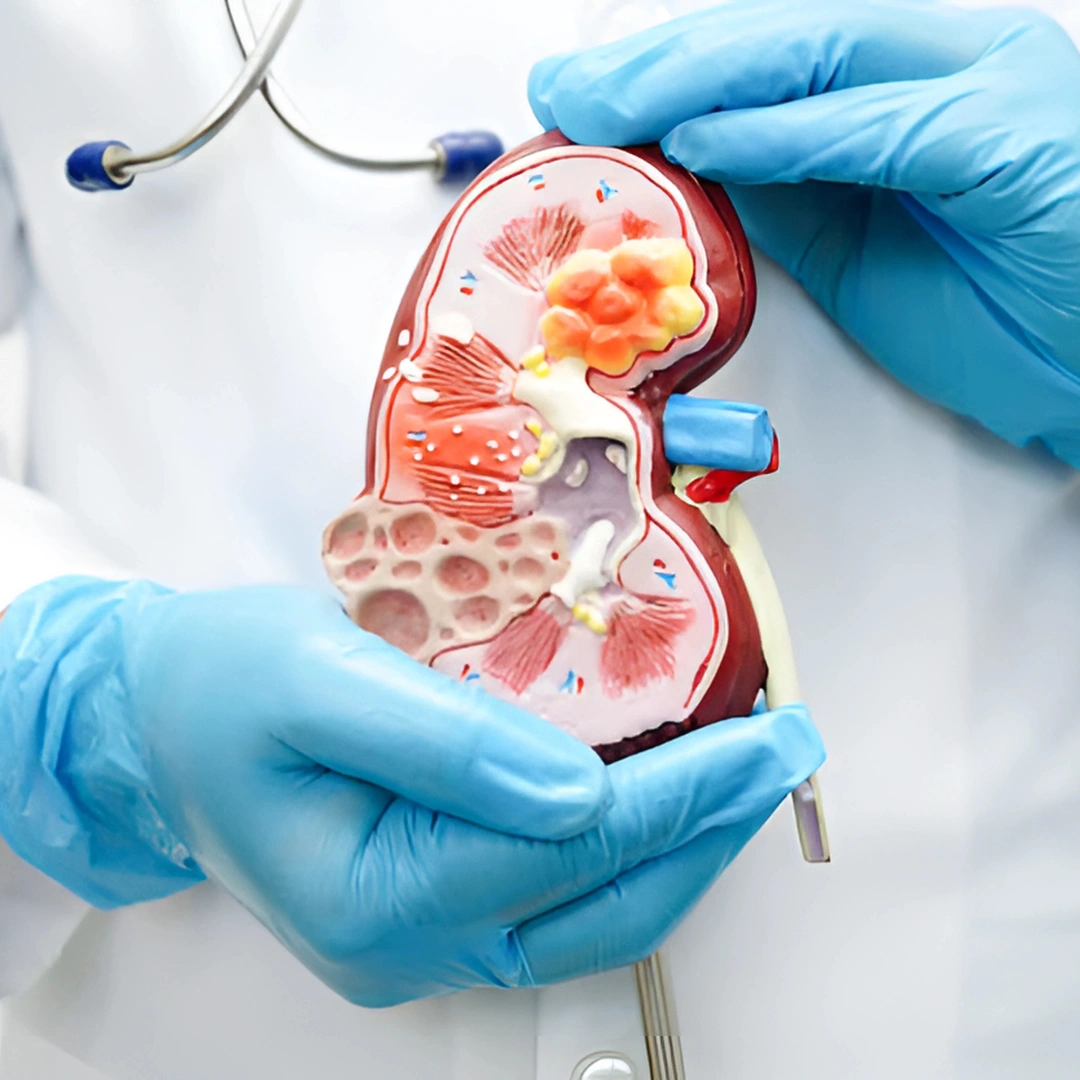
This test is primarily used in the diagnosis and classification of leukemias and lymphomas. CD10 is strongly associated with acute lymphoblastic leukemia (ALL), especially B-cell ALL, but it is also expressed in follicular lymphoma, Burkitt lymphoma, and some diffuse large B-cell lymphomas. Additionally, CD10 may be expressed in certain non-hematologic cancers such as renal cell carcinoma and endometrial stromal sarcoma.
Symptoms That May Lead to the Test
Doctors may order this test if a patient presents with symptoms such as persistent fever, fatigue, frequent infections, enlarged lymph nodes, bone pain, unexplained bruising or bleeding, or abnormal blood counts. When a bone marrow biopsy, lymph node biopsy, or blood smear suggests leukemia or lymphoma, CD10 testing helps refine the diagnosis.
Abnormal Results
Positive CD10 Expression: Suggests the presence of CD10+ lymphoid malignancies such as B-cell ALL, follicular lymphoma, or Burkitt lymphoma. It may also be seen in certain solid tumors, depending on the tissue sample tested.
Negative CD10 Expression: May indicate a different leukemia/lymphoma subtype or rule out certain malignancies. CD10 negativity helps distinguish between different types of blood cancers for accurate classification.
Risks
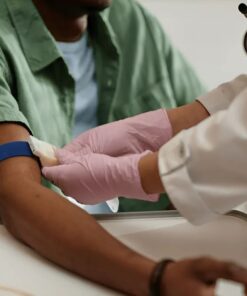
The risks depend on the sample collection method. For blood samples, risks are minimal and include slight bruising or dizziness from venipuncture. For bone marrow or lymph node biopsy, risks include mild pain, bleeding, or infection at the site. These complications are rare, and the diagnostic benefit outweighs the risks.


Reviews
There are no reviews yet.