CD103
What it is
The CD103 test detects the presence of CD103, a cell surface integrin (αEβ7) commonly expressed on intraepithelial T lymphocytes and certain hematologic malignancies. It is assessed using immunohistochemistry or flow cytometry on tissue, blood, or bone marrow samples. CD103 is especially valuable in the diagnosis of hairy cell leukemia and some T-cell lymphomas.
Uses
This test is used primarily to aid in the diagnosis and classification of leukemias and lymphomas. CD103 expression is strongly associated with hairy cell leukemia but may also be seen in other lymphoproliferative disorders such as splenic marginal zone lymphoma and some peripheral T-cell lymphomas. It helps pathologists differentiate between similar blood cancers for accurate treatment planning.
Symptoms That May Lead to the Test
Doctors may order CD103 testing if a patient has unexplained pancytopenia (low blood cell counts), recurrent infections, splenomegaly (enlarged spleen), chronic fatigue, or abnormal blood smear findings. A bone marrow or lymph node biopsy suspicious for lymphoma or hairy cell leukemia also often triggers CD103 testing as part of an immunophenotyping panel.
Abnormal Results
Positive CD103 Expression: Strongly supports the diagnosis of hairy cell leukemia. It may also be present in subsets of T-cell lymphomas and other rare B-cell neoplasms.
Negative CD103 Expression: Suggests that the malignancy is unlikely to be hairy cell leukemia, helping narrow down differential diagnoses to other lymphoid neoplasms.
Risks
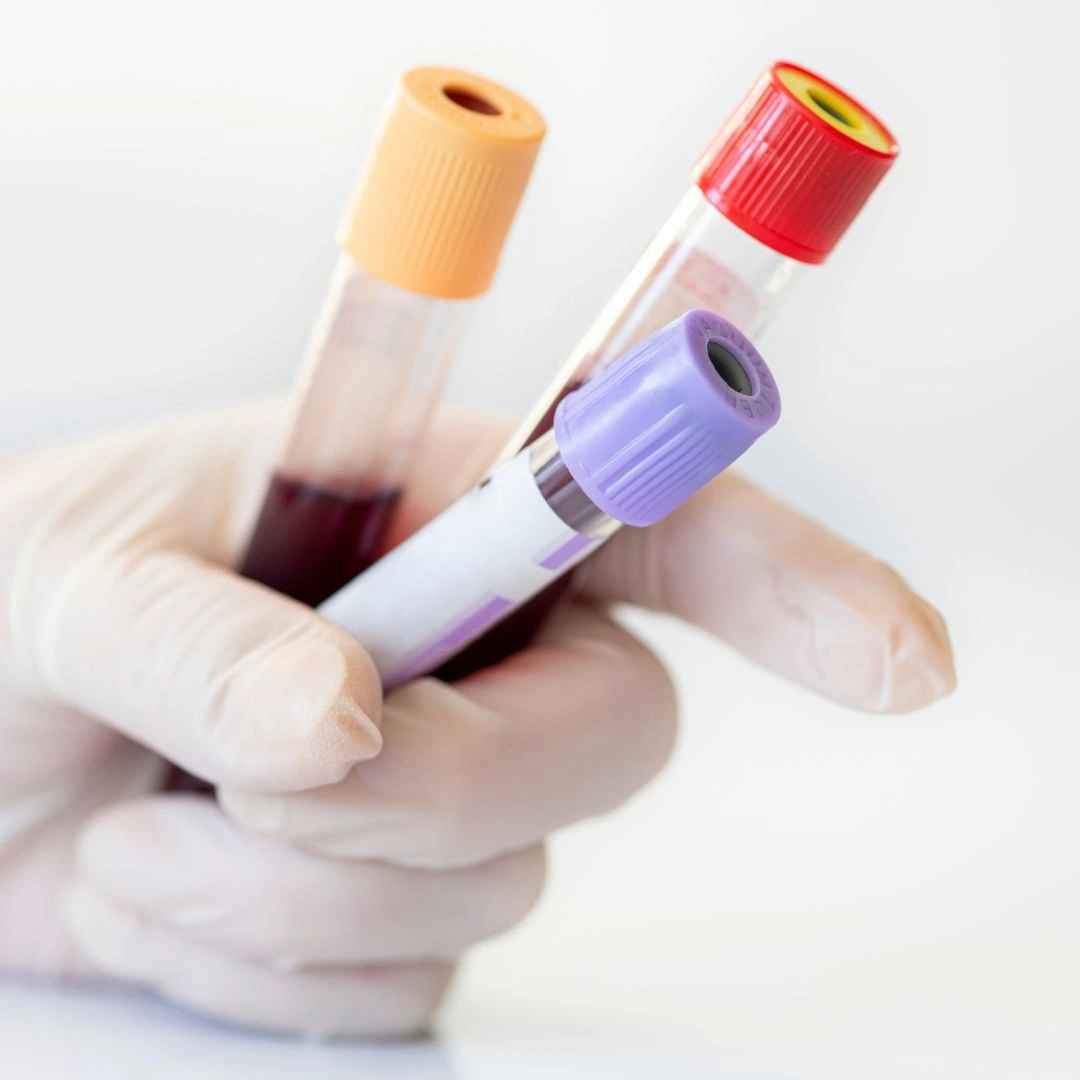
The risks depend on how the sample is collected. For blood tests, risks are minimal (slight bruising or dizziness). For bone marrow or tissue biopsies, risks may include mild pain, bleeding, or infection at the biopsy site. These complications are uncommon and generally outweighed by the diagnostic value of the test.


Reviews
There are no reviews yet.