Chloride, Random Urine
What it is
The Chloride, Random Urine test measures the concentration of chloride ions in a single, randomly collected urine sample. Chloride is an essential electrolyte that helps regulate fluid balance, acid–base status, and blood pressure. Unlike a 24-hour urine test, this method gives a snapshot of urinary chloride at a specific point in time.
Uses
This test is often used to evaluate electrolyte and acid–base disturbances, particularly in metabolic alkalosis. It helps distinguish between chloride-responsive (low urinary chloride) and chloride-resistant (normal or high urinary chloride) forms of alkalosis. It may also assist in assessing kidney function, salt intake, and the effects of diuretic therapy.
Symptoms That May Lead to the Test
Doctors may recommend this test if you present with persistent electrolyte imbalances, unexplained high or low blood pressure, dehydration, metabolic alkalosis, or abnormal blood chemistry results. It is especially useful when evaluating patients with chronic vomiting, diuretic use, or adrenal gland disorders.
Abnormal Results
Low Urinary Chloride: Suggests chloride-responsive metabolic alkalosis, often due to vomiting, gastric fluid loss, or recent diuretic use.
Normal or High Urinary Chloride: Suggests chloride-resistant metabolic alkalosis, which may be caused by primary hyperaldosteronism, Bartter syndrome, or Gitelman syndrome.
Interpretation is best done alongside serum electrolytes and clinical history.
Risks
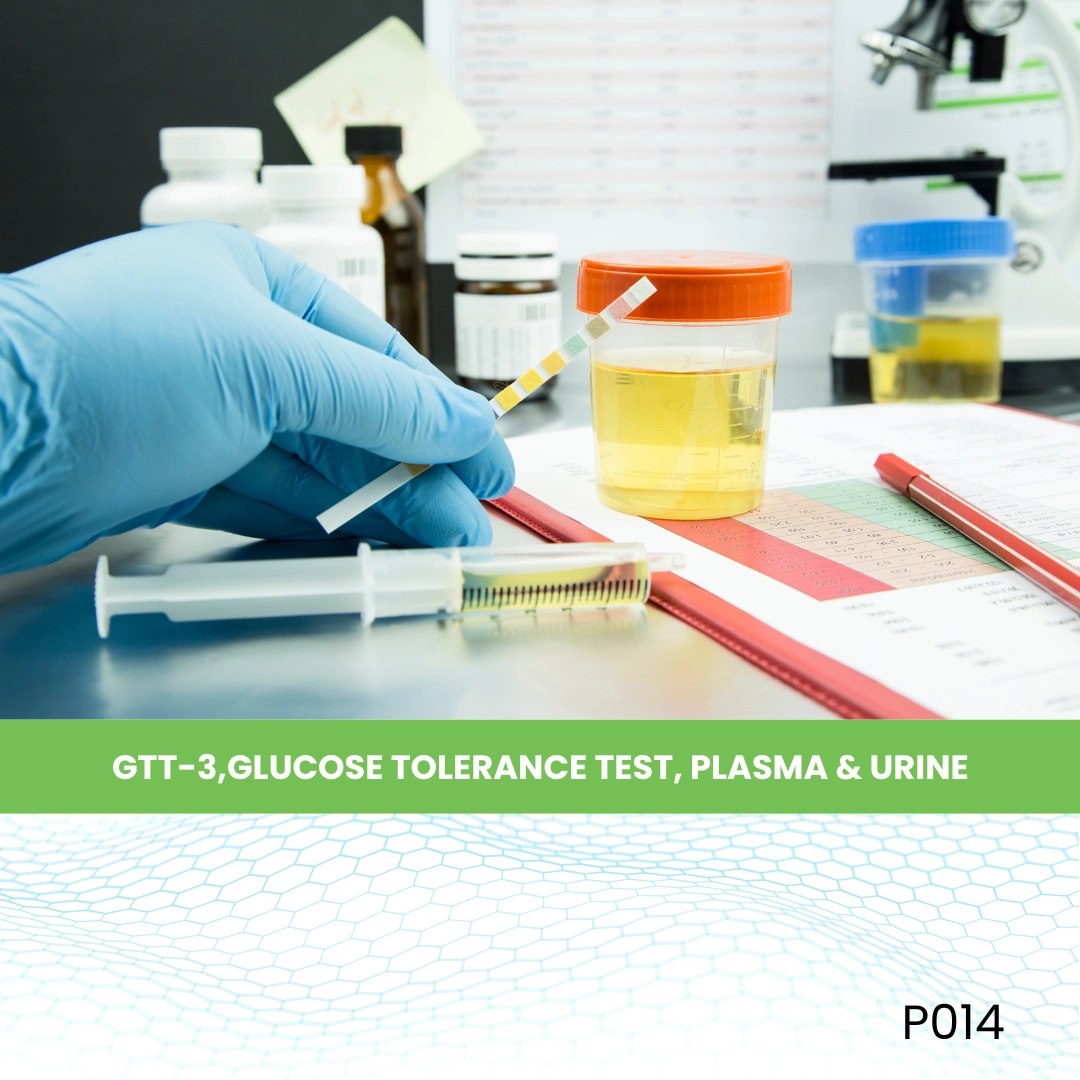
The test requires only a urine sample collected in a sterile container. There are no risks associated with the procedure, though accuracy depends on proper sample collection and timing.


Reviews
There are no reviews yet.