CMV Viral Load Detection Test
What it is
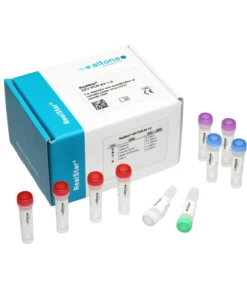
The CMV Viral Load Detection Test measures the amount of cytomegalovirus (CMV) DNA in the blood using highly sensitive molecular methods such as polymerase chain reaction (PCR). Unlike antibody tests, which detect immune response, this test directly quantifies viral activity, making it the most reliable method for diagnosing active CMV infection and monitoring its progression.
Uses
This test is widely used in immunocompromised patients such as organ transplant recipients, stem cell transplant patients, or individuals with HIV/AIDS. It helps determine the presence of active CMV infection, assess the severity of viral replication, guide antiviral therapy, and monitor treatment response. In pregnancy, it may be used if congenital CMV infection is suspected in the fetus or newborn.
Symptoms That May Lead to the Test
Doctors may recommend this test if you have symptoms such as persistent fever, fatigue, swollen lymph nodes, pneumonia, hepatitis, gastrointestinal ulcers, or retinal inflammation (CMV retinitis). It is also routinely performed as a screening and monitoring tool in high-risk patients even before symptoms appear.
Abnormal Results
High CMV Viral Load: Indicates active viral replication, suggesting ongoing infection or disease progression. Higher values often correlate with more severe illness and may require immediate antiviral treatment or therapy adjustment.
Low or Undetectable Viral Load: Suggests no active infection or effective suppression of the virus. In patients under treatment, this indicates good response to therapy. In transplant recipients, a rising viral load may serve as an early warning sign before clinical symptoms develop.
Risks
The test requires a standard blood sample. Risks are minimal and may include slight pain, mild bruising, or dizziness at the puncture site. The molecular testing process itself carries no risk to the patient but provides highly valuable clinical information.


Reviews
There are no reviews yet.