Cobalt, Urine (Random)
What it is
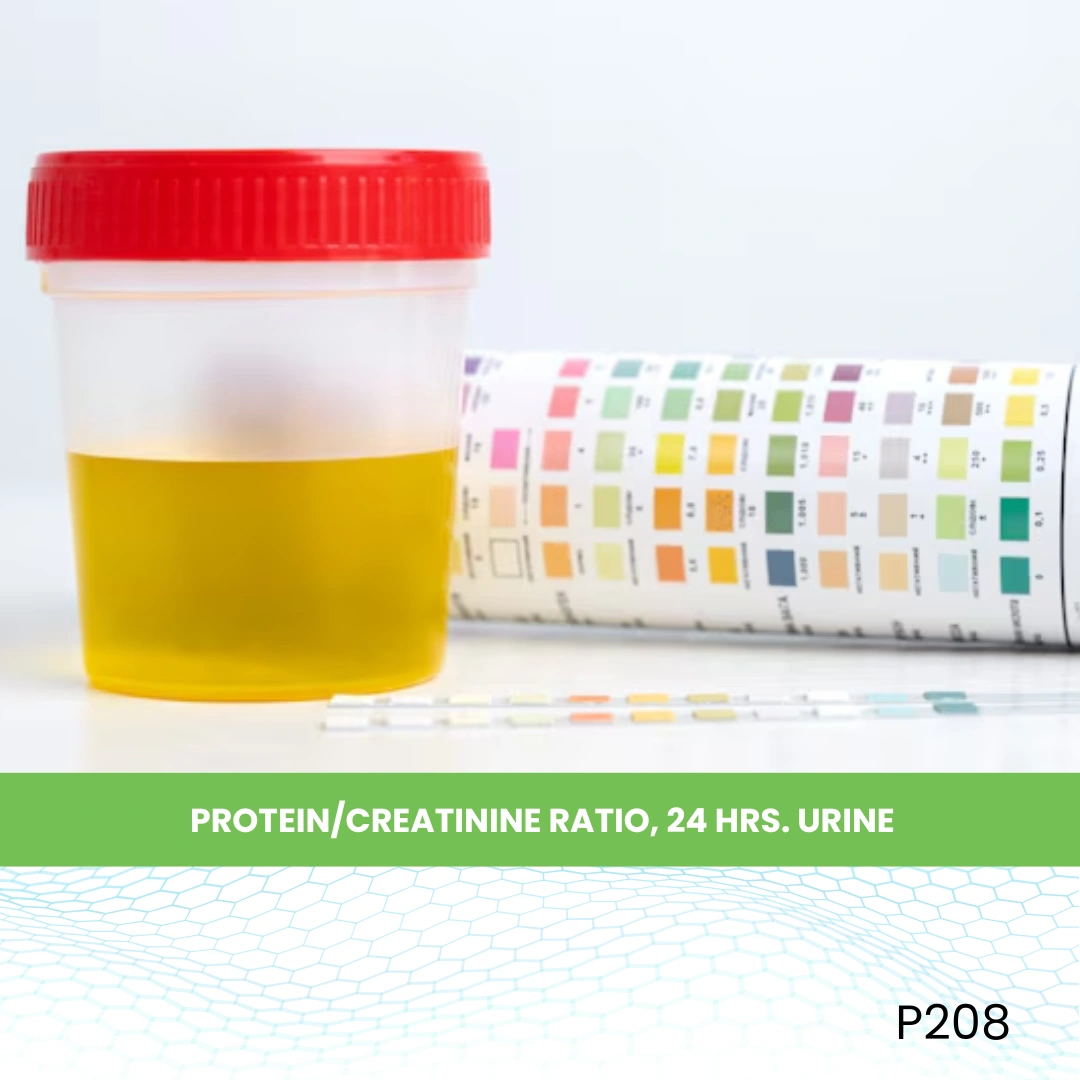
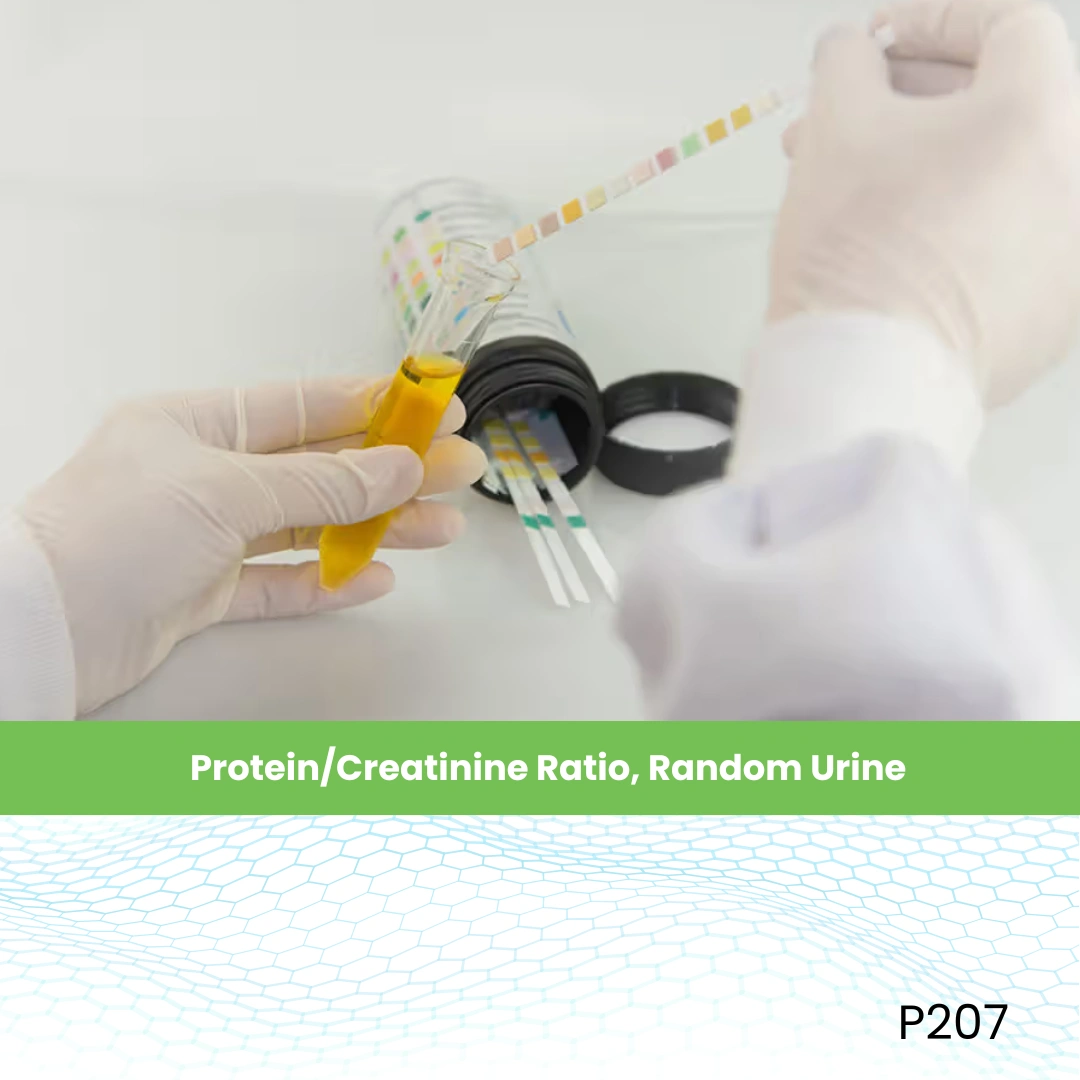
The Cobalt, Urine (Random) test measures the concentration of cobalt in a single, randomly collected urine sample. Cobalt is a naturally occurring trace element, found in vitamin B12, but excessive exposure—often from metal industries, contaminated environments, or wear of metal-on-metal joint implants—can lead to toxic accumulation. Urine testing reflects recent exposure to cobalt.
Uses
This test is used to detect and monitor cobalt exposure, particularly in individuals with suspected occupational or environmental contact. It is also commonly used for patients with artificial hip or joint replacements, as metal wear can release cobalt into the bloodstream and eventually be excreted in urine. It is part of biomonitoring programs for workers in mining, metallurgy, and battery manufacturing industries.
Symptoms That May Lead to the Test
Doctors may order this test if you present with unexplained fatigue, nausea, vision or hearing changes, numbness or tingling, thyroid dysfunction, cardiomyopathy, or neurological symptoms, especially when cobalt exposure is suspected. It may also be done after implant surgery to ensure cobalt levels remain safe.
Abnormal Results
Elevated Urinary Cobalt: Indicates recent cobalt exposure or excessive release from prosthetic implants. Persistently high levels may suggest chronic exposure and can be harmful to the heart, thyroid, and nervous system.
Normal/Low Levels: Suggest minimal or no significant recent exposure. Low cobalt levels are generally not a concern since cobalt deficiency is extremely rare and normally covered by dietary vitamin B12.
Risks
The test requires only a urine sample, which is non-invasive and risk-free. Proper collection and handling are important for accurate results.


Reviews
There are no reviews yet.