Cocaine, Urine
What it is
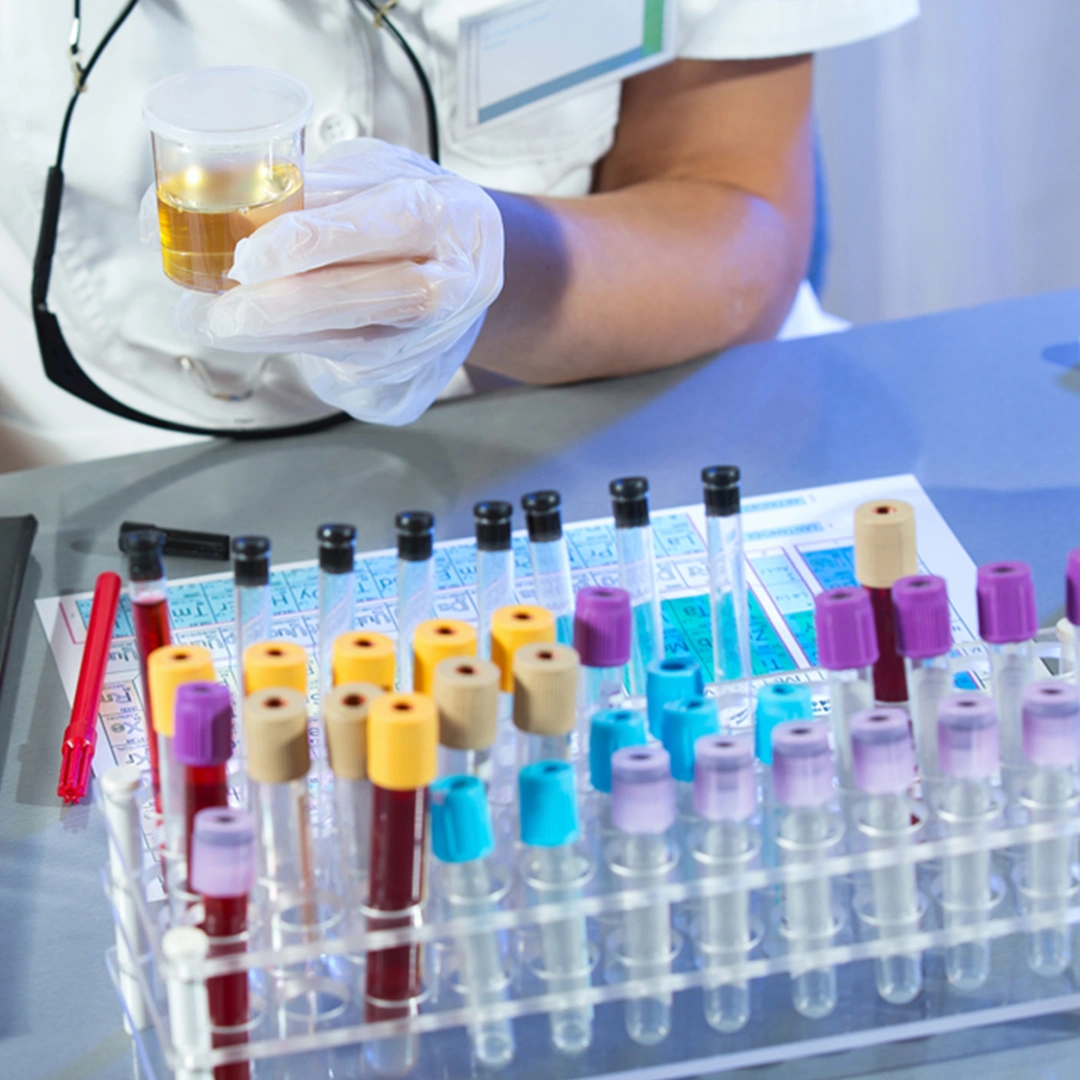
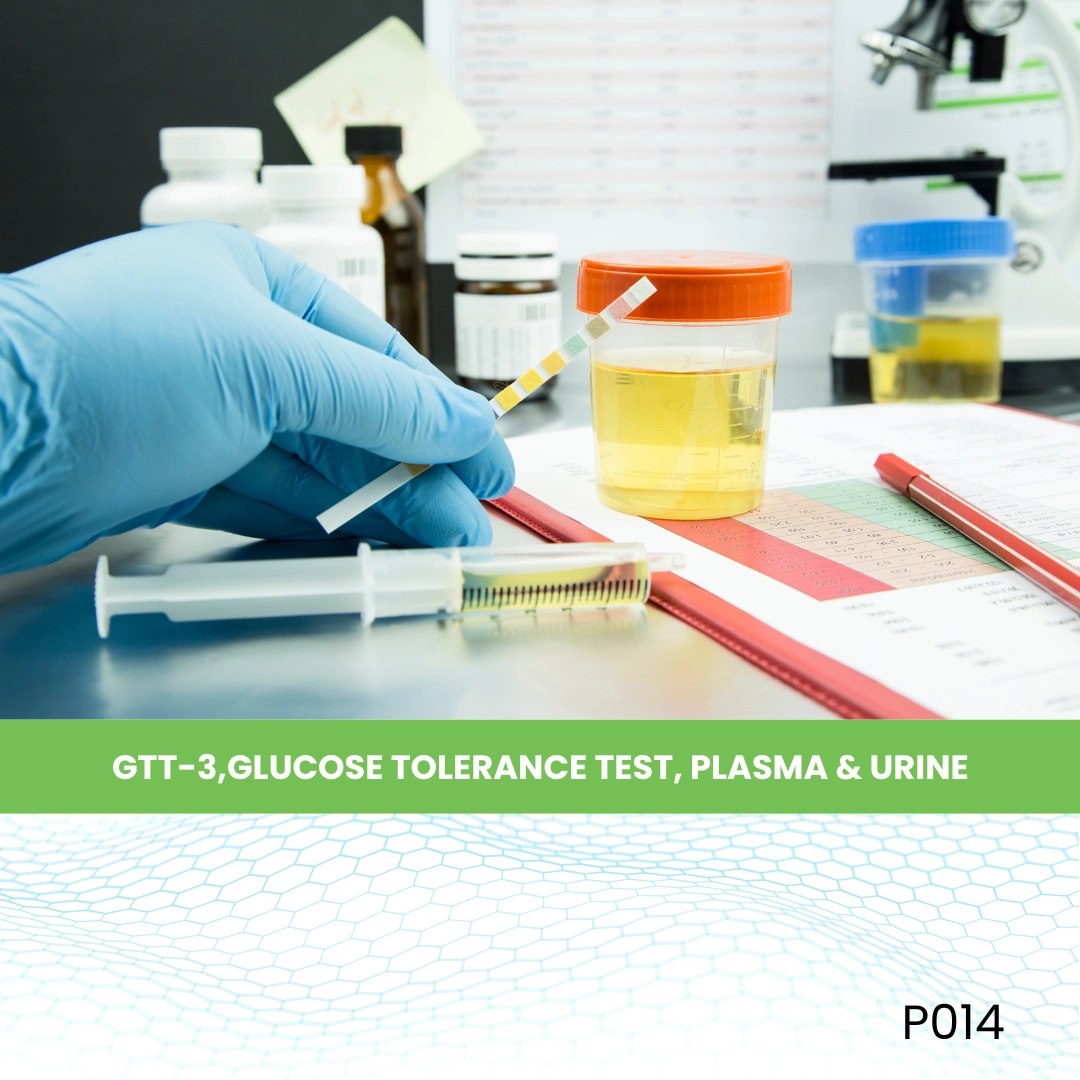
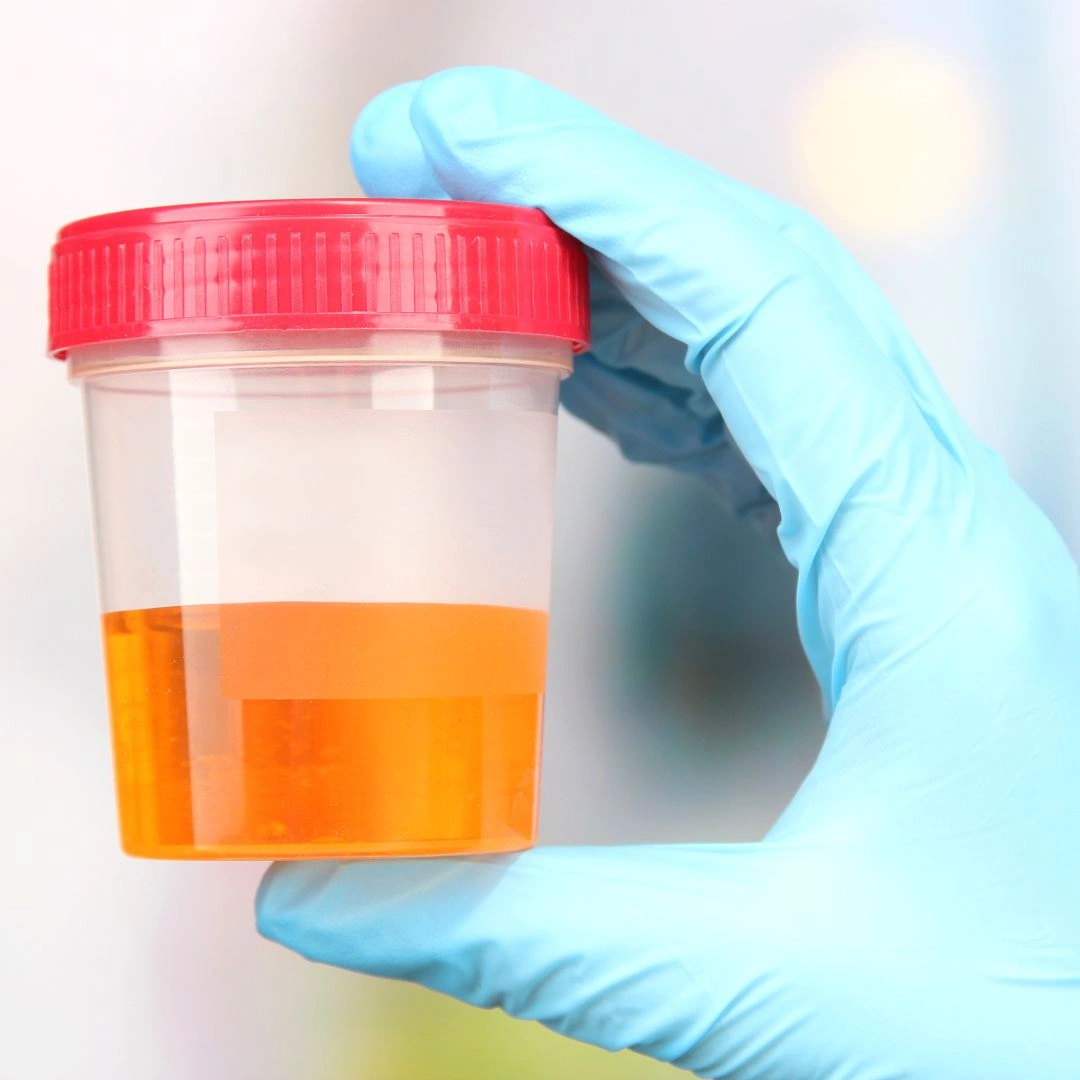
The Cocaine, Urine test detects the presence of cocaine and its primary metabolite, benzoylecgonine, in a urine sample. Cocaine is a powerful stimulant drug that is sometimes used illicitly for its euphoric effects. Because the drug is rapidly metabolized, urine testing is the most common method to confirm recent use.
Uses
This test is widely used in workplace drug screening, legal or forensic investigations, medical evaluations in cases of suspected drug abuse, and in emergency settings where cocaine intoxication is suspected. It is also used to monitor abstinence in patients undergoing rehabilitation for substance use disorder.
Symptoms That May Lead to the Test
Doctors may order this test if you present with symptoms suggestive of stimulant use such as rapid heartbeat, high blood pressure, dilated pupils, agitation, paranoia, hallucinations, chest pain, or unexplained behavioral changes. It may also be ordered if there is suspicion of drug overdose.
Abnormal Results
Positive Result: Indicates recent cocaine use. Cocaine metabolites are usually detectable in urine for 2–4 days after use, but in chronic heavy users, detection may extend up to a week or longer.
Negative Result: Suggests no recent cocaine exposure, or drug levels are below the cutoff sensitivity of the test. False negatives may occur if testing is done too soon or too late relative to drug use.
Risks
The test requires only a urine sample, making it non-invasive and risk-free. The main considerations are proper collection, handling, and interpretation, as false positives may rarely occur due to certain medications or cross-reacting substances. Confirmatory testing (e.g., GC-MS or LC-MS) is often used for accuracy.


Reviews
There are no reviews yet.