Complete Haemogram with Peripheral Smear (PS)
What it is
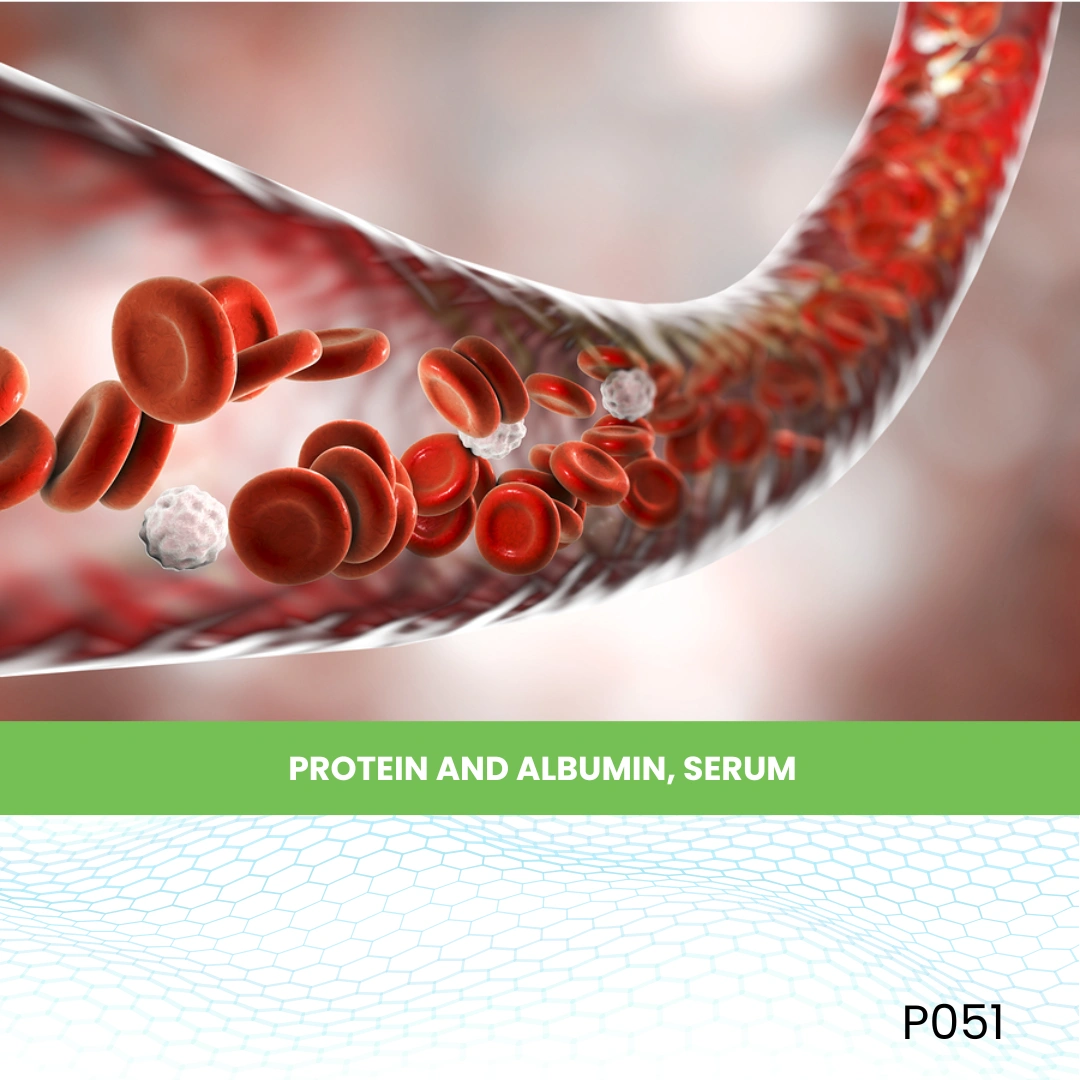
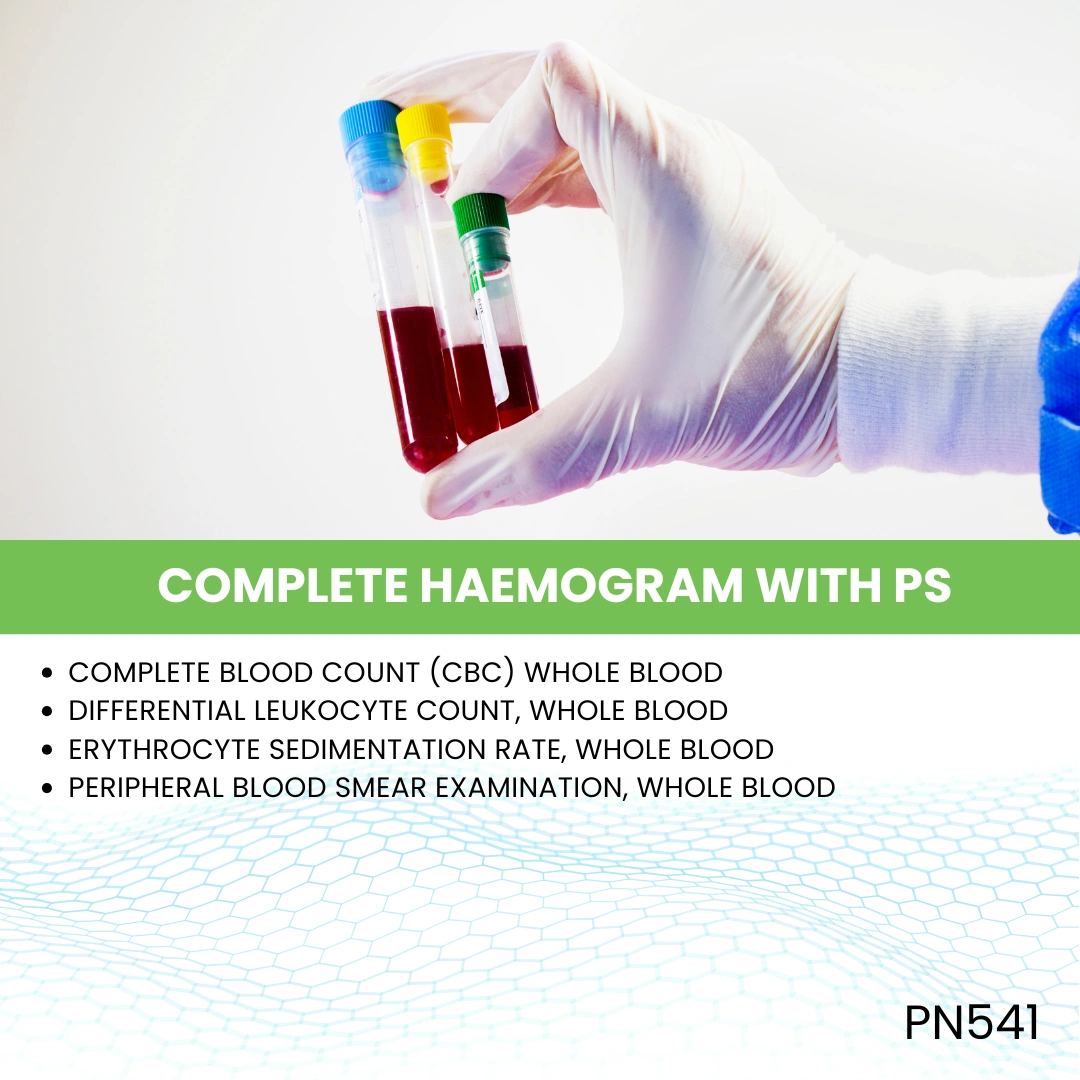
The Complete Haemogram with Peripheral Smear (PS) test is a comprehensive blood examination that measures key blood parameters such as red blood cells (RBCs), white blood cells (WBCs), hemoglobin, hematocrit, and platelets, along with a microscopic review of a stained blood film. The peripheral smear provides a visual assessment of the shape, size, and appearance of blood cells, offering additional diagnostic insight beyond automated counts.
Uses
This test is widely used for evaluating overall blood health, diagnosing anemia, infections, blood clotting problems, and hematological disorders such as leukemia or lymphoma. It helps differentiate between types of anemia (e.g., iron deficiency vs. megaloblastic), detects abnormal cells or parasites (such as malaria), and monitors patients undergoing treatment for blood-related conditions.
Symptoms That May Lead to the Test
Doctors may recommend this test if you present with symptoms like persistent fatigue, unexplained weakness, fever, recurrent infections, easy bruising, prolonged bleeding, shortness of breath, paleness, or unexplained weight loss. It may also be ordered during routine health check-ups or pre-surgical assessments.
Abnormal Results
Low Hemoglobin or RBC Count: Suggests anemia, which can be due to nutritional deficiencies (iron, B12, folate), chronic diseases, or bone marrow problems.
High WBC Count: May indicate infection, inflammation, stress, or hematological malignancy.
Low Platelets: Could suggest clotting disorders, viral infections, bone marrow suppression, or autoimmune conditions.
Peripheral Smear Findings: Abnormal cell morphology (sickle cells, target cells, blasts) may point to conditions such as sickle cell disease, thalassemia, leukemia, or parasitic infections.
Risks
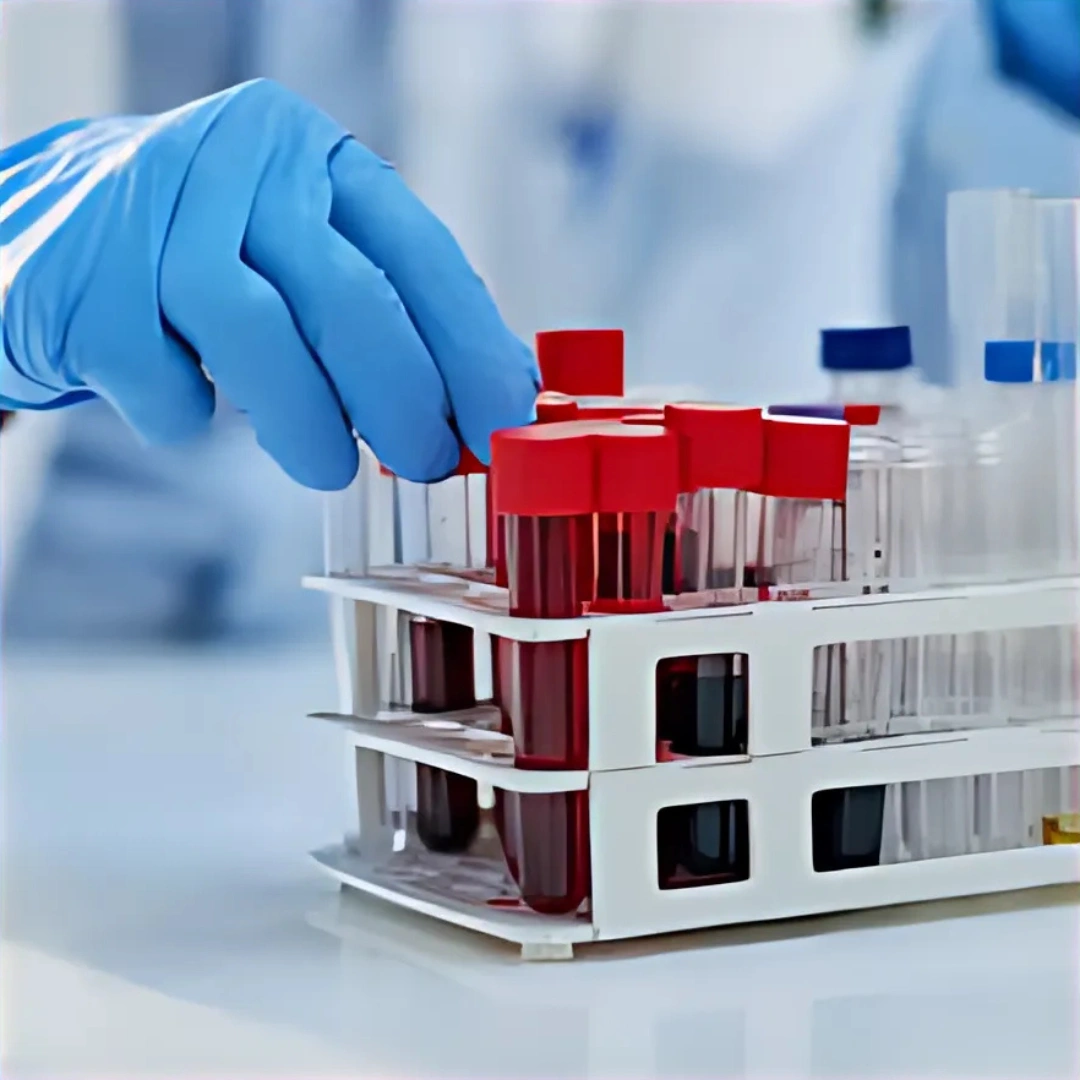
The test involves a standard blood draw, with minimal risks such as mild pain, bruising, or lightheadedness at the puncture site. These effects are temporary and generally harmless.


Reviews
There are no reviews yet.