Complete Hemogram
What it is
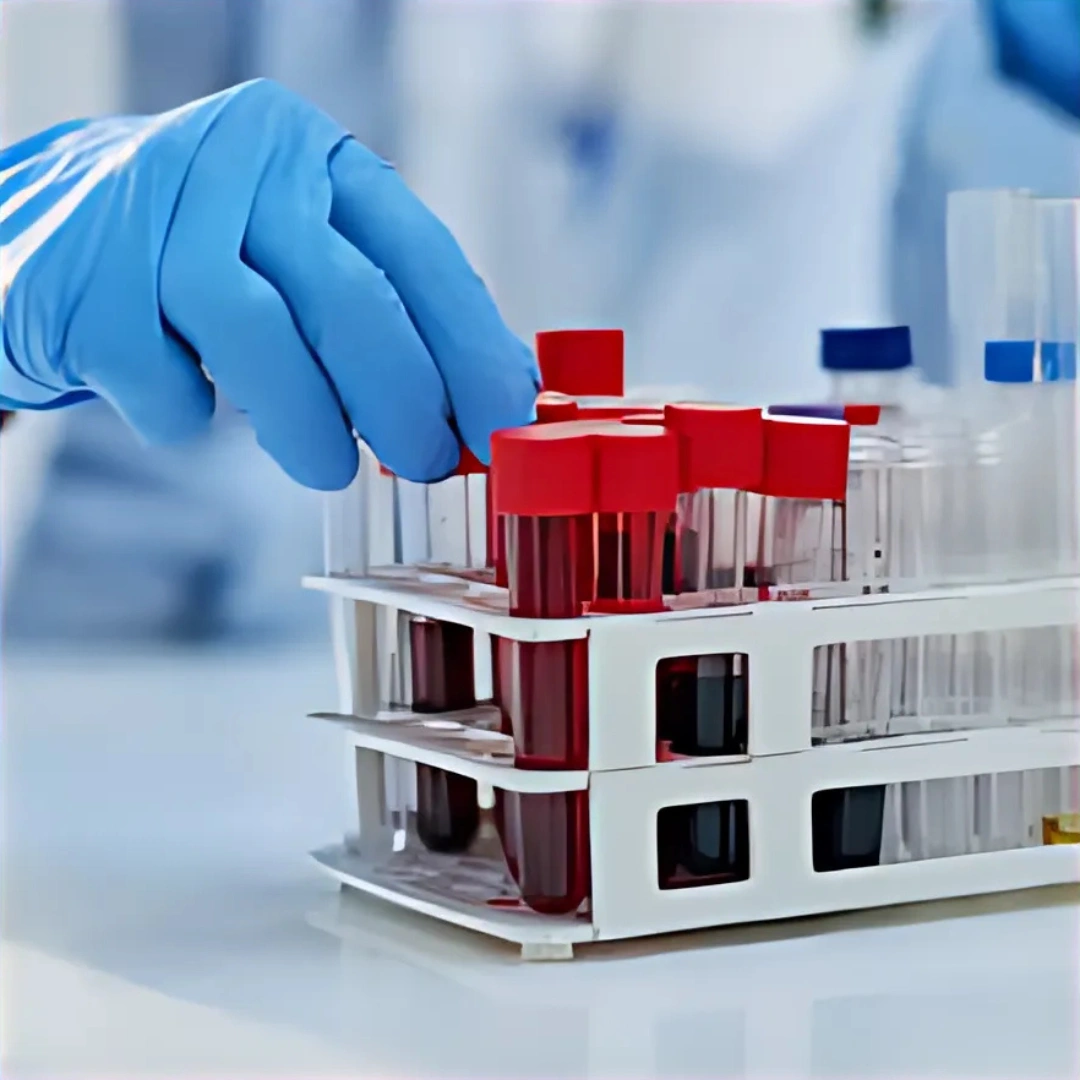
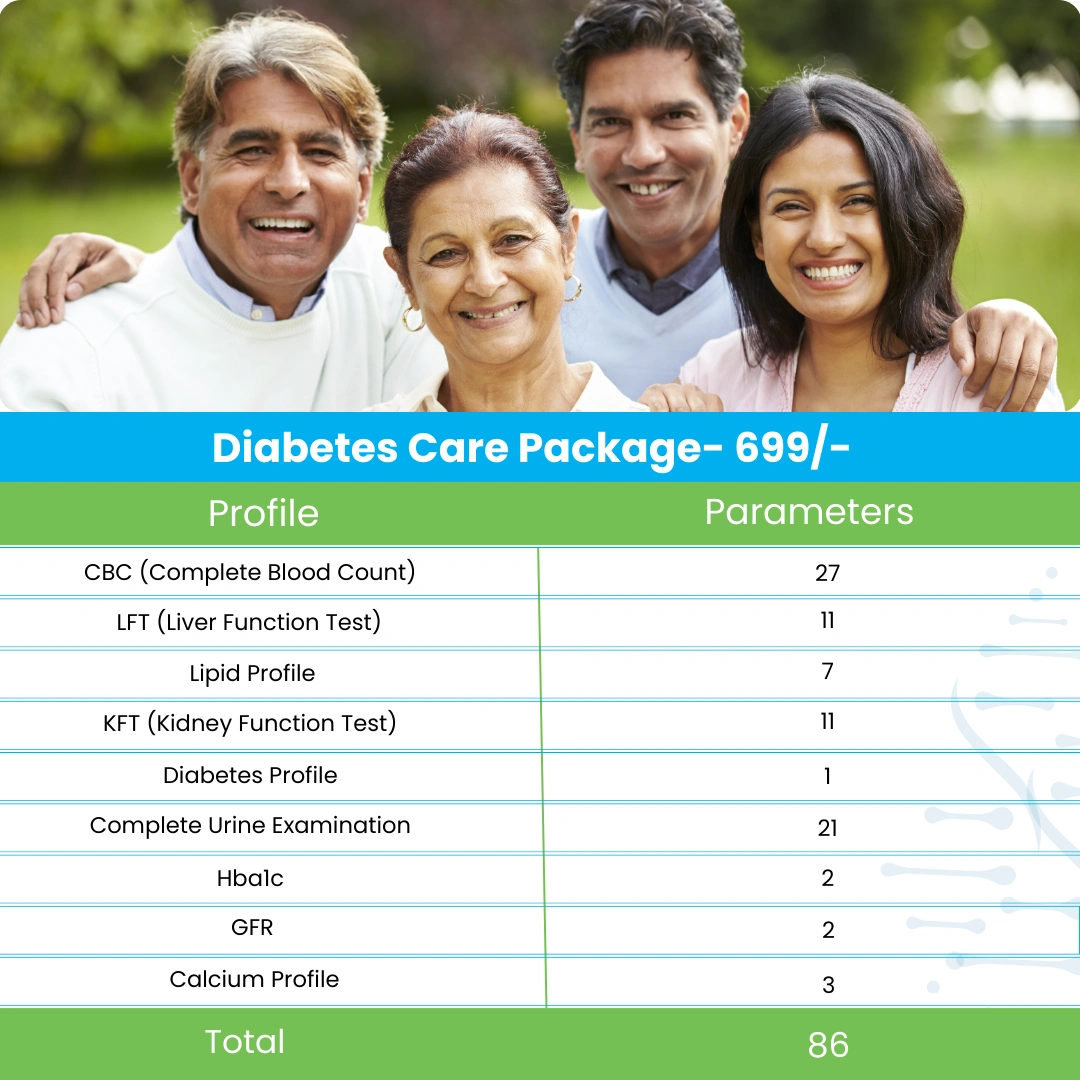
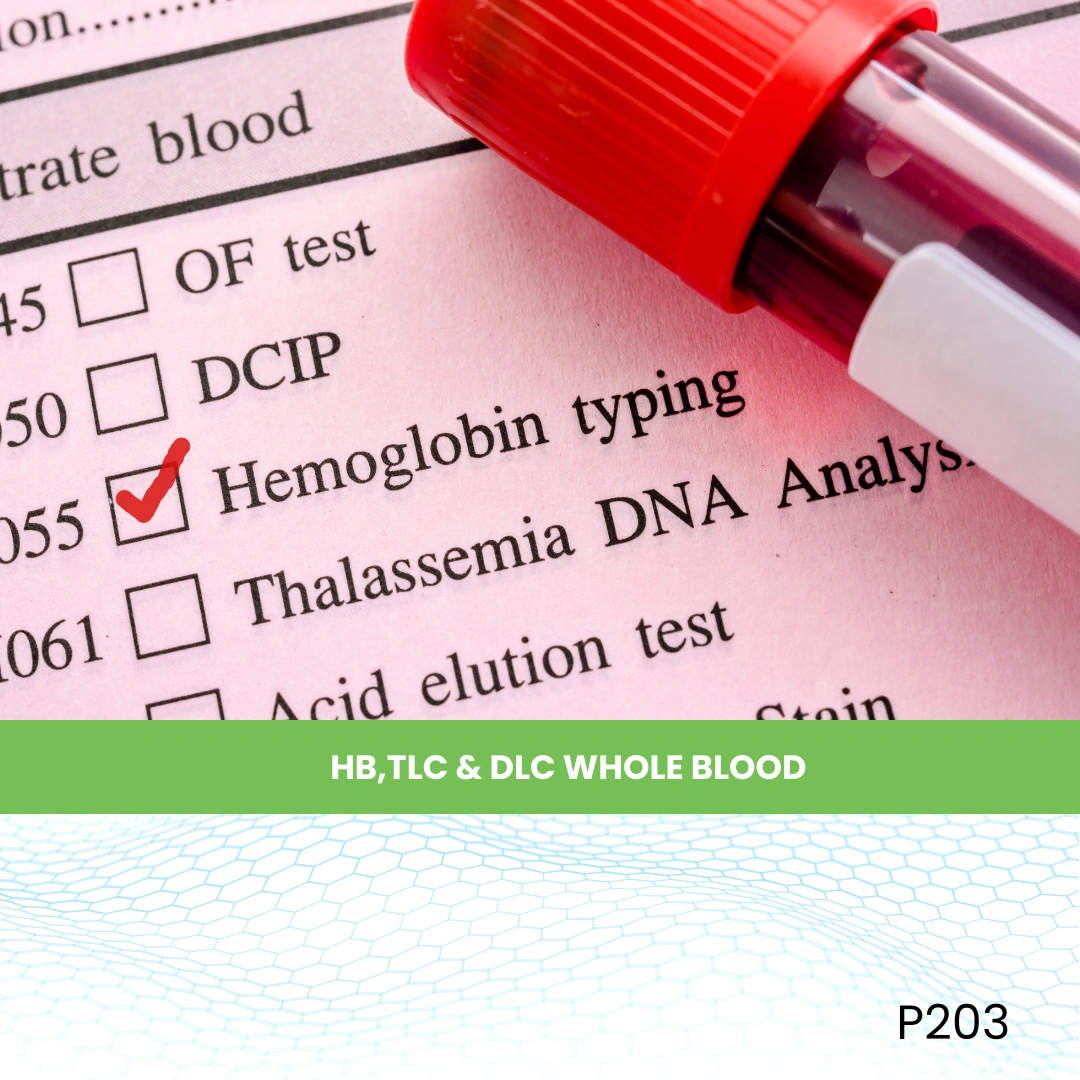
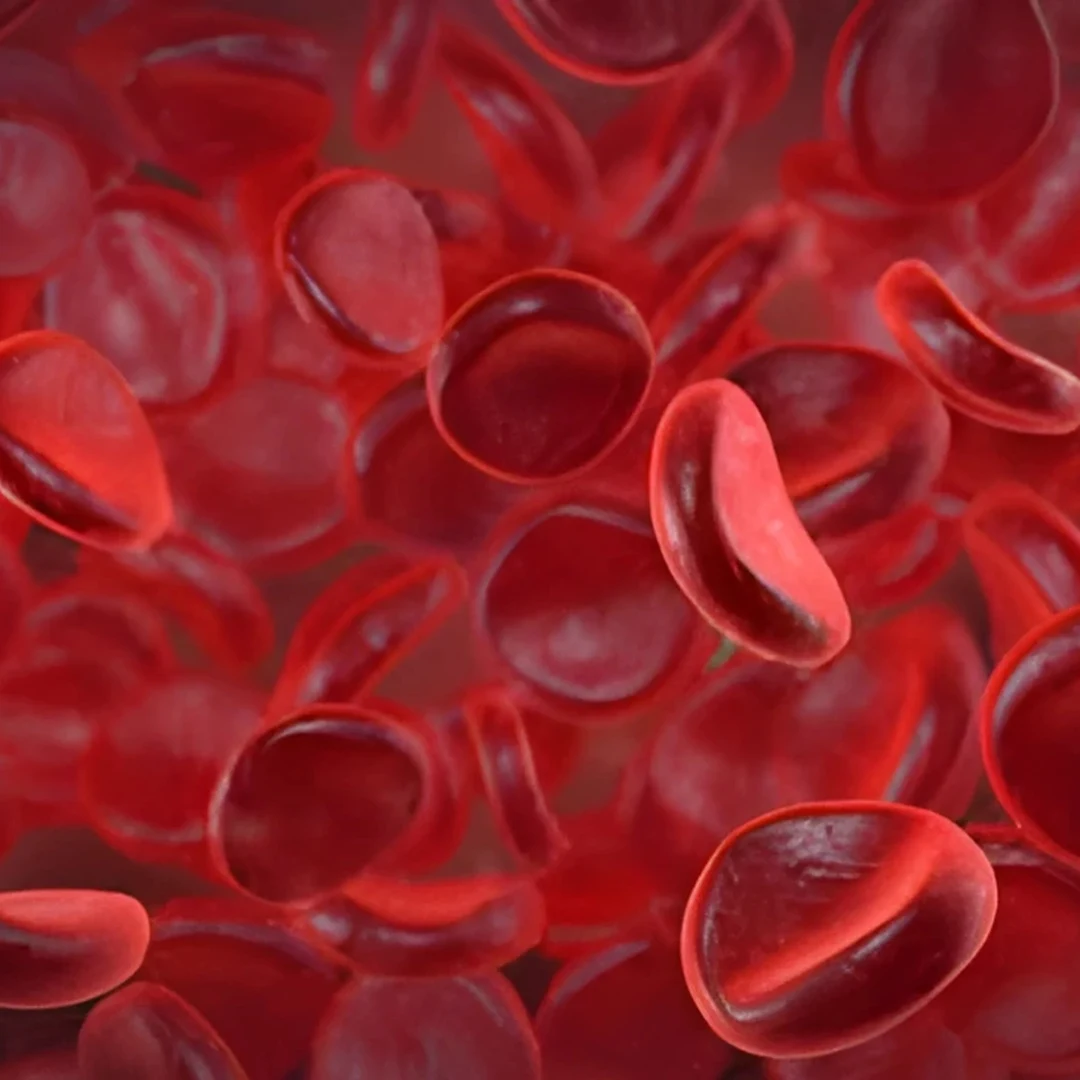
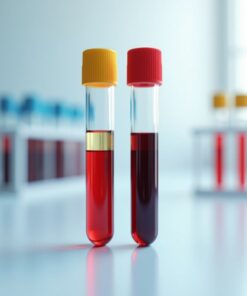
The Complete Hemogram, also known as a Complete Blood Count (CBC), is a widely used blood test that measures the levels and characteristics of red blood cells (RBCs), white blood cells (WBCs), hemoglobin, hematocrit, and platelets. It provides vital information about overall health, helping in the detection of a wide range of conditions from anemia and infections to hematological disorders.
Uses
This test is used to assess general health, diagnose blood-related disorders, and monitor ongoing medical treatments. It helps in evaluating anemia, infections, clotting disorders, and immune system activity. Doctors may also use it to track the progress of chronic illnesses and treatment responses, particularly in cancer therapy or bone marrow diseases.
Symptoms That May Lead to the Test
A Complete Hemogram is often ordered if you experience fatigue, weakness, persistent fever, unexplained weight loss, shortness of breath, easy bruising, recurrent infections, or prolonged bleeding. It may also be a routine part of annual health check-ups or pre-surgical screening.
Abnormal Results
Low Hemoglobin or Hematocrit: Indicates anemia due to nutritional deficiencies, chronic illness, or blood loss.
High WBC Count: Suggests bacterial infections, inflammation, stress, or leukemia.
Low WBC Count: May point to viral infections, bone marrow suppression, or autoimmune disorders.
Abnormal Platelet Count: High counts may raise the risk of clotting disorders, while low counts may increase bleeding risks.
Risks
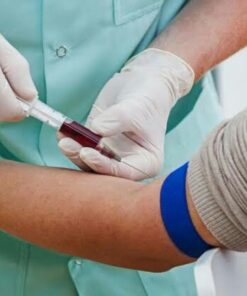
The test involves only a simple blood draw, making it safe and minimally invasive. Possible risks include slight pain, bruising, or dizziness at the site of collection, which are temporary and resolve quickly.


Reviews
There are no reviews yet.