Creatinine, Serum
What it is
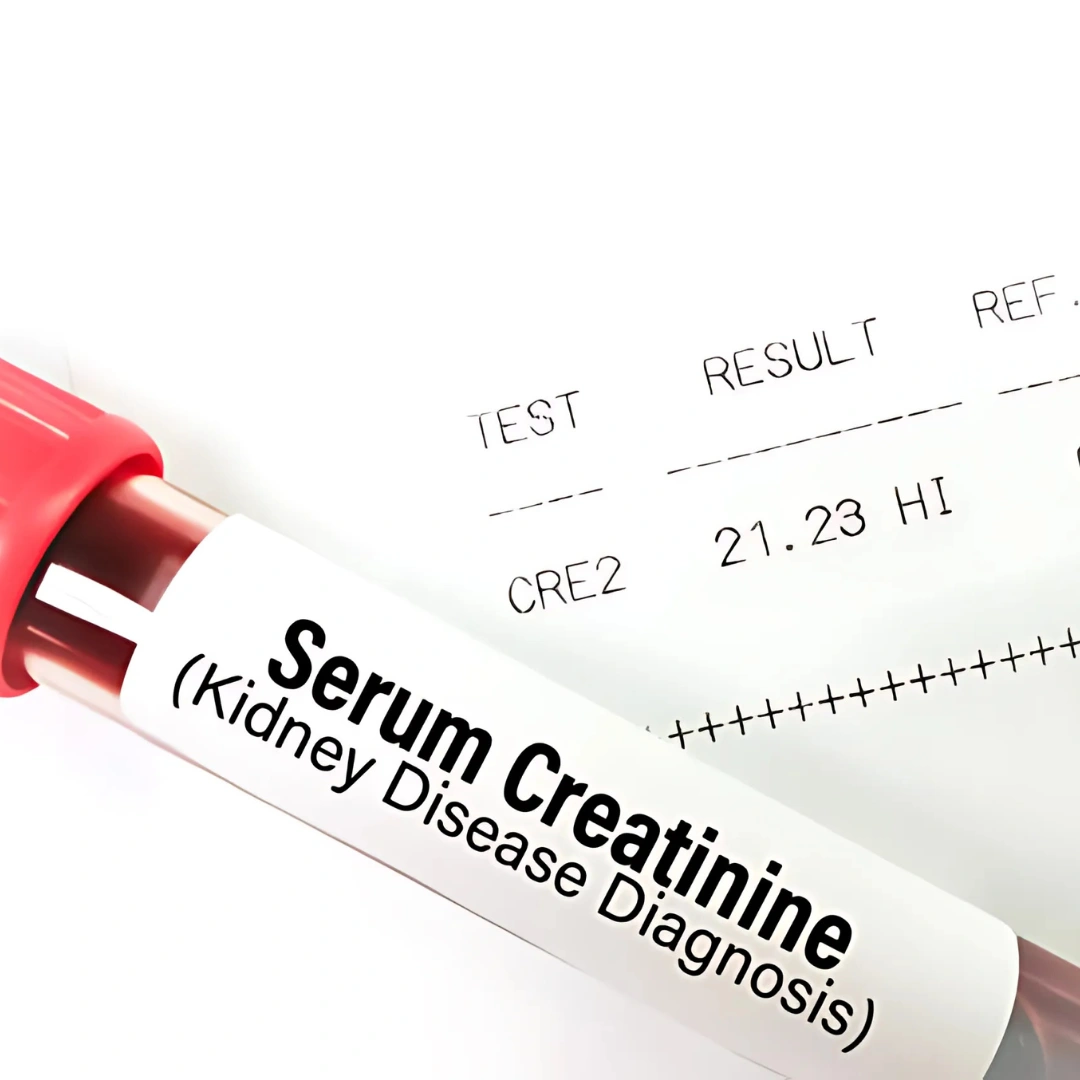
The Creatinine, Serum test measures the amount of creatinine in the blood. Creatinine is a waste product produced by the normal breakdown of muscle tissue and is filtered out of the body by the kidneys. Because creatinine levels in the blood rise when kidney function is impaired, this test is one of the most widely used markers of kidney health.
Uses
This test is primarily used to evaluate kidney function, diagnose kidney disease, and monitor patients with conditions that can affect the kidneys such as diabetes, hypertension, or chronic kidney disease (CKD). It is also used in calculating the estimated glomerular filtration rate (eGFR), which provides a more accurate measure of kidney performance.
Symptoms That May Lead to the Test
A doctor may recommend a serum creatinine test if you experience symptoms such as swelling in the ankles or legs, persistent fatigue, nausea, reduced urine output, changes in urination frequency, foamy urine, high blood pressure, or unexplained weight loss. It may also be ordered as part of a routine health check-up.
Abnormal Results
High Serum Creatinine: Suggests reduced kidney function, possibly due to acute kidney injury, chronic kidney disease, dehydration, urinary tract obstruction, or certain medications that affect the kidneys.
Low Serum Creatinine: May occur in people with low muscle mass, malnutrition, or muscle-wasting diseases. It is less commonly of concern compared to elevated levels.
Risks
The test involves a simple blood draw. Risks are minimal and include mild pain, bruising, or dizziness at the puncture site, which usually resolve quickly.


Reviews
There are no reviews yet.