Cryoglobulin – Qualitative
What it is
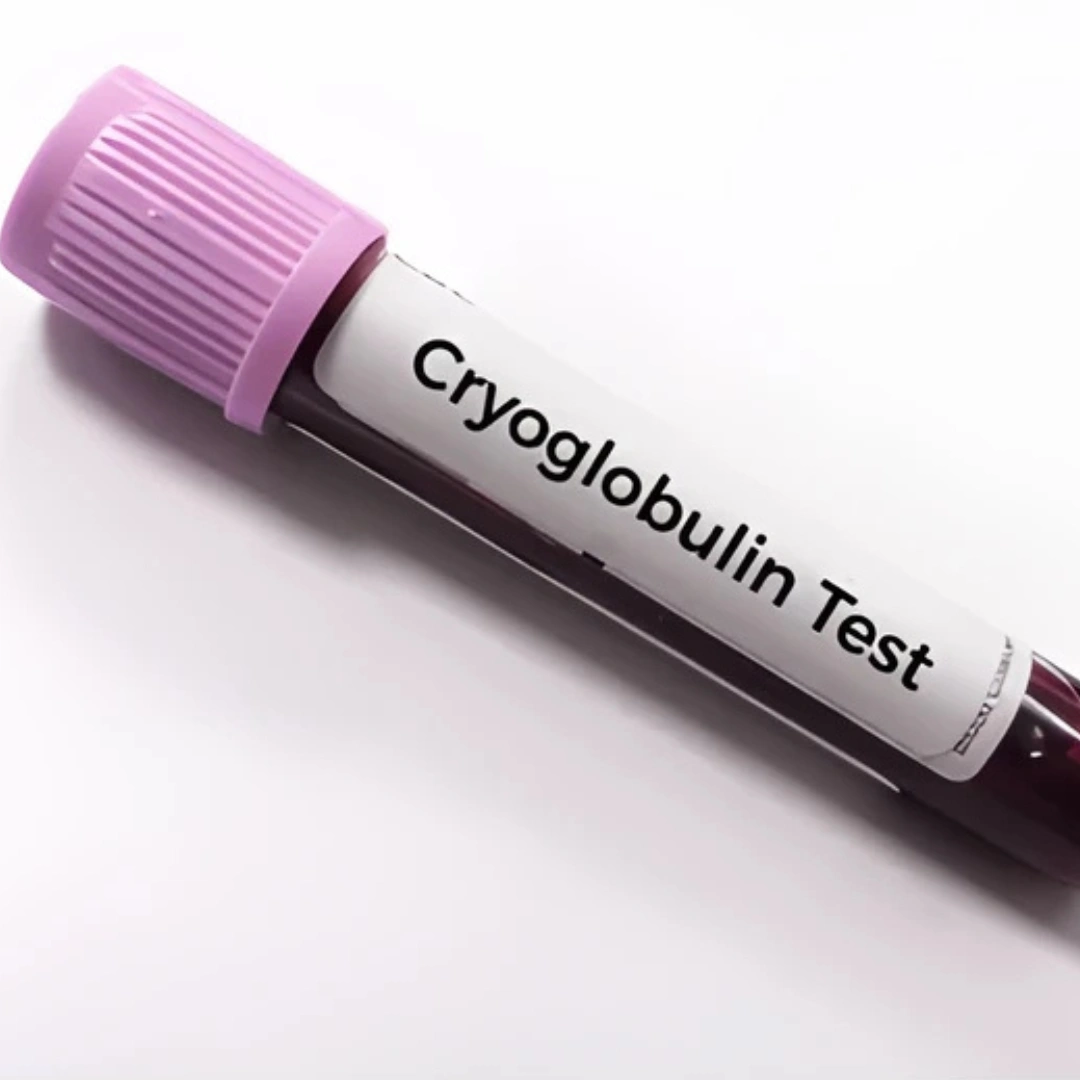
The Cryoglobulin – Qualitative test detects the presence of cryoglobulins in the blood. Cryoglobulins are abnormal proteins that precipitate (clump together) when blood is cooled below body temperature and dissolve again when warmed. Their presence can interfere with normal blood flow, especially in cooler parts of the body, and is often linked to immune system disorders.
Uses
This test is used to diagnose cryoglobulinemia, a condition associated with autoimmune diseases, chronic infections, certain cancers of the blood or lymphatic system, and liver disease (particularly hepatitis C). It helps doctors determine whether cryoglobulins are contributing to unexplained symptoms such as blood vessel inflammation or organ damage.
Symptoms That May Lead to the Test
Doctors may order this test if you experience unexplained skin rashes, purplish spots (purpura), joint pain, weakness, Raynaud’s phenomenon (fingers turning white or blue in cold), numbness, kidney problems, or nerve pain. It is also often ordered in patients with chronic hepatitis C who develop vascular or autoimmune complications.
Abnormal Results
Positive Cryoglobulins (Qualitative): Indicates the presence of cryoglobulins, which may point to cryoglobulinemia. Underlying causes may include hepatitis C infection, autoimmune diseases like lupus or rheumatoid arthritis, multiple myeloma, or lymphoma.
Negative Cryoglobulins: Suggests no detectable cryoglobulins. However, since cryoglobulin testing is technically sensitive, repeat testing may sometimes be required if suspicion remains high.
Risks
The test requires a standard blood draw, but blood must be handled at body temperature until processing to avoid false results. Risks are minimal and include slight pain, bruising, or dizziness at the puncture site.


Reviews
There are no reviews yet.