CSF for Oligoclonal Bands
What it is
The CSF for Oligoclonal Bands (OCB) test is a specialized analysis of cerebrospinal fluid (CSF) that detects the presence of abnormal proteins known as oligoclonal bands. These bands represent immunoglobulins (antibodies) produced within the central nervous system (CNS) and are often associated with chronic inflammation or autoimmune disorders affecting the brain and spinal cord.
Uses
This test is most commonly used in the diagnosis of multiple sclerosis (MS). It helps confirm whether inflammation in the CNS is due to an autoimmune process by comparing antibody patterns in the CSF and blood. It may also be used to evaluate other neurological conditions such as infections (e.g., viral encephalitis, neurosyphilis), autoimmune encephalitis, or chronic inflammatory diseases of the CNS.
Symptoms That May Lead to the Test
Your doctor may recommend this test if you experience symptoms like persistent numbness or tingling, muscle weakness, vision changes, loss of balance, unexplained neurological decline, or recurrent episodes suggestive of demyelinating disease. It is often ordered when MRI scans raise suspicion of MS or other inflammatory brain disorders.
Abnormal Results
Positive Oligoclonal Bands: Indicates the presence of abnormal antibodies in the CSF but not in the blood, strongly suggesting multiple sclerosis or other inflammatory/autoimmune disorders of the CNS. Positive OCBs may also occur in CNS infections or some paraneoplastic syndromes.
Negative Oligoclonal Bands: Suggests no abnormal antibody production in the CNS, reducing the likelihood of MS or other inflammatory neurological disorders, although early disease cannot always be ruled out.
Risks
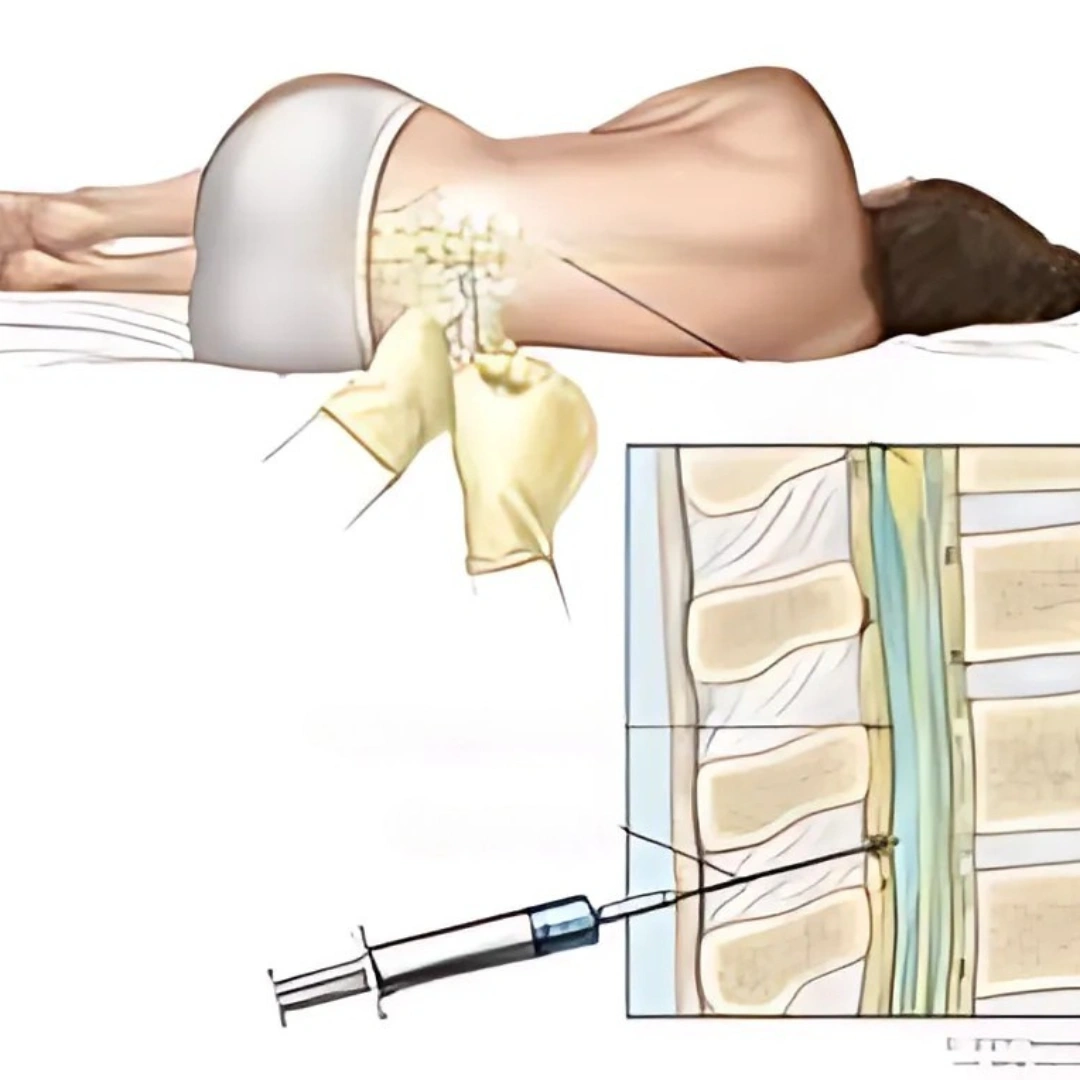
The test requires a lumbar puncture (spinal tap) to collect cerebrospinal fluid. Risks are minimal but may include mild pain, headache, or dizziness after the procedure. Rarely, bleeding or infection can occur at the puncture site.


Reviews
There are no reviews yet.