Culture, Aerobic & Susceptibility, Stool
What it is
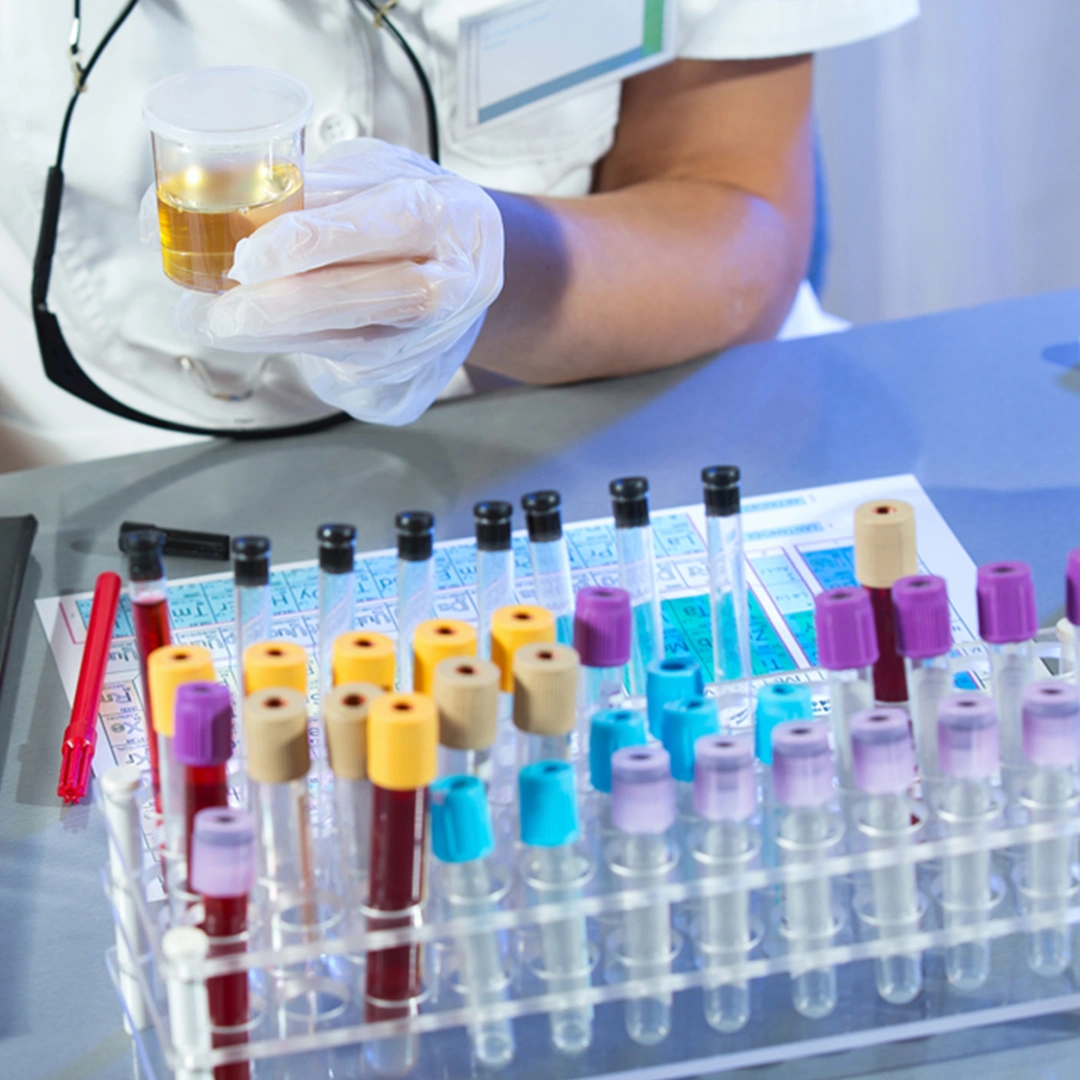
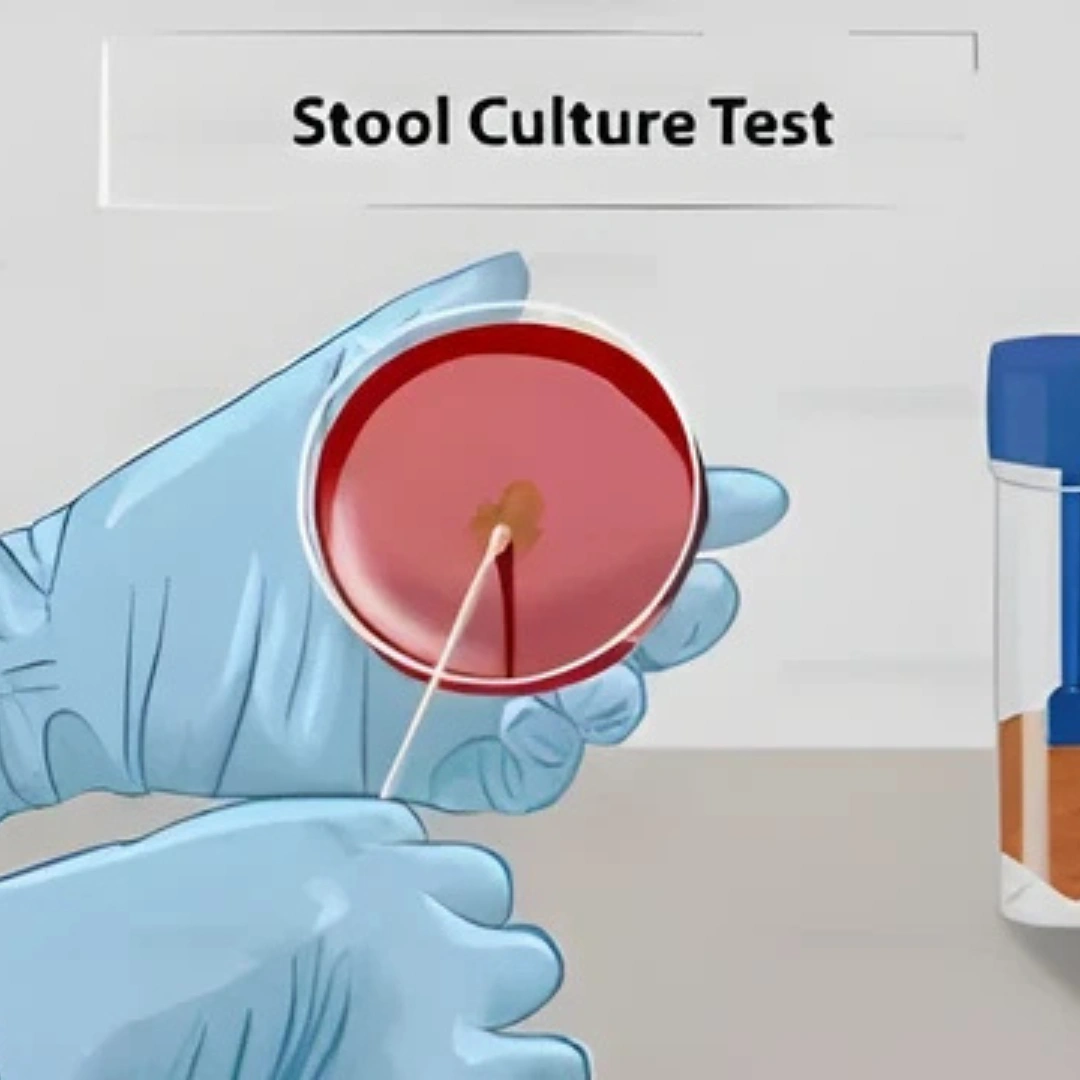
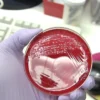
The Culture, Aerobic & Susceptibility, Stool test is a microbiological examination of a stool (feces) sample to detect pathogenic aerobic bacteria that can cause gastrointestinal infections. Once bacteria are identified, antibiotic susceptibility testing is performed to determine which antibiotics are effective for treatment and which the bacteria are resistant to.
Uses
This test is primarily used to diagnose bacterial causes of diarrhea, food poisoning, or other gastrointestinal infections. It helps identify organisms such as Salmonella, Shigella, E. coli, Campylobacter, or other harmful bacteria. The susceptibility part of the test ensures the most effective antibiotic is chosen, especially in cases of resistant infections.
Symptoms That May Lead to the Test
Doctors may recommend this test if you have symptoms like persistent or severe diarrhea, abdominal cramps, fever, nausea, vomiting, dehydration, or blood/mucus in stool. It may also be ordered after travel to areas with high risk of food- or water-borne illnesses, or if outbreaks of food poisoning are suspected.
Abnormal Results
Positive Culture: Indicates the presence of pathogenic aerobic bacteria in stool. The susceptibility profile shows which antibiotics are effective and which should be avoided due to resistance.
Negative Culture: Suggests no growth of significant aerobic pathogens. This may indicate a viral or parasitic infection, or a non-infectious cause of symptoms.
Risks
The test requires only a stool sample, making it completely safe and non-invasive. The main risk is related to improper sample collection or contamination, which may affect accuracy.


Reviews
There are no reviews yet.