Cysticercus IgG Antibodies
What it is
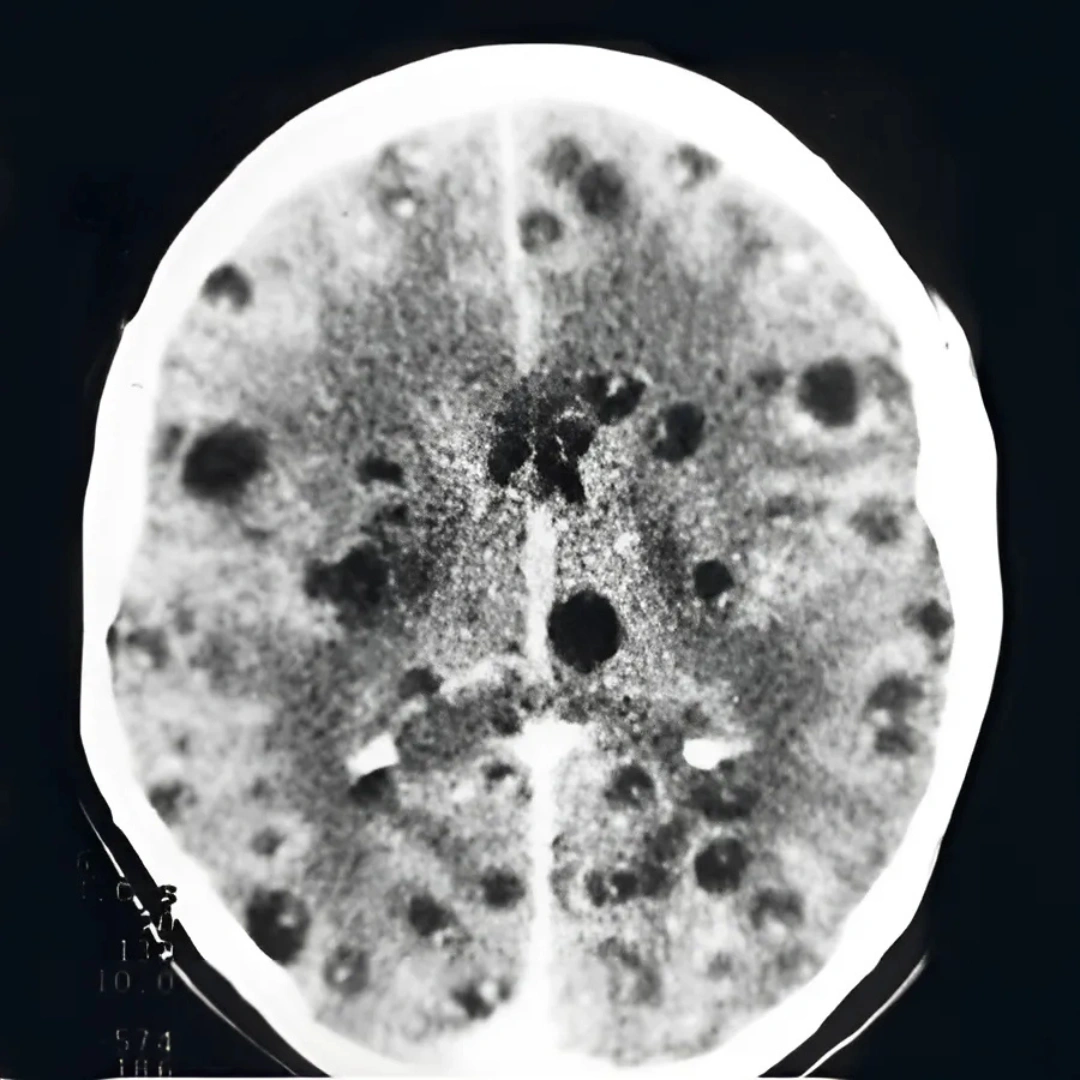
The Cysticercus IgG Antibodies test is a blood test that detects IgG antibodies against the parasite Taenia solium, which causes cysticercosis. This parasitic infection occurs when humans ingest the eggs of the pork tapeworm, leading to the development of cysts (cysticerci) in tissues such as the brain, muscles, and eyes. The antibody test helps confirm exposure or infection.
Uses
This test is primarily used to aid in the diagnosis of neurocysticercosis, an infection of the central nervous system by cysticerci, which can cause seizures and neurological symptoms. It also helps identify extra-neural cysticercosis affecting muscles or eyes. When combined with imaging techniques (MRI/CT scans), the test improves diagnostic accuracy.
Symptoms That May Lead to the Test
Doctors may recommend this test if you have seizures, chronic headaches, neurological changes, vision problems, muscle nodules, or other unexplained neurological symptoms—especially if you live in or have traveled to areas where Taenia solium is common. It is also used in patients with suggestive radiological findings.
Abnormal Results
Positive IgG Antibodies: Suggests current or past infection with Taenia solium. A positive result supports the diagnosis of cysticercosis, especially when symptoms and imaging findings align. It does not always distinguish between active and resolved infection.
Negative IgG Antibodies: Suggests no detectable immune response to cysticercus infection. However, early infections or localized disease may occasionally yield false-negative results, requiring repeat or additional testing.
Risks
The test requires a simple blood draw, with minimal risks such as mild pain, bruising, or dizziness at the puncture site. These side effects are temporary and uncommon.


Reviews
There are no reviews yet.