Cytoplasmic CD79a
What it is
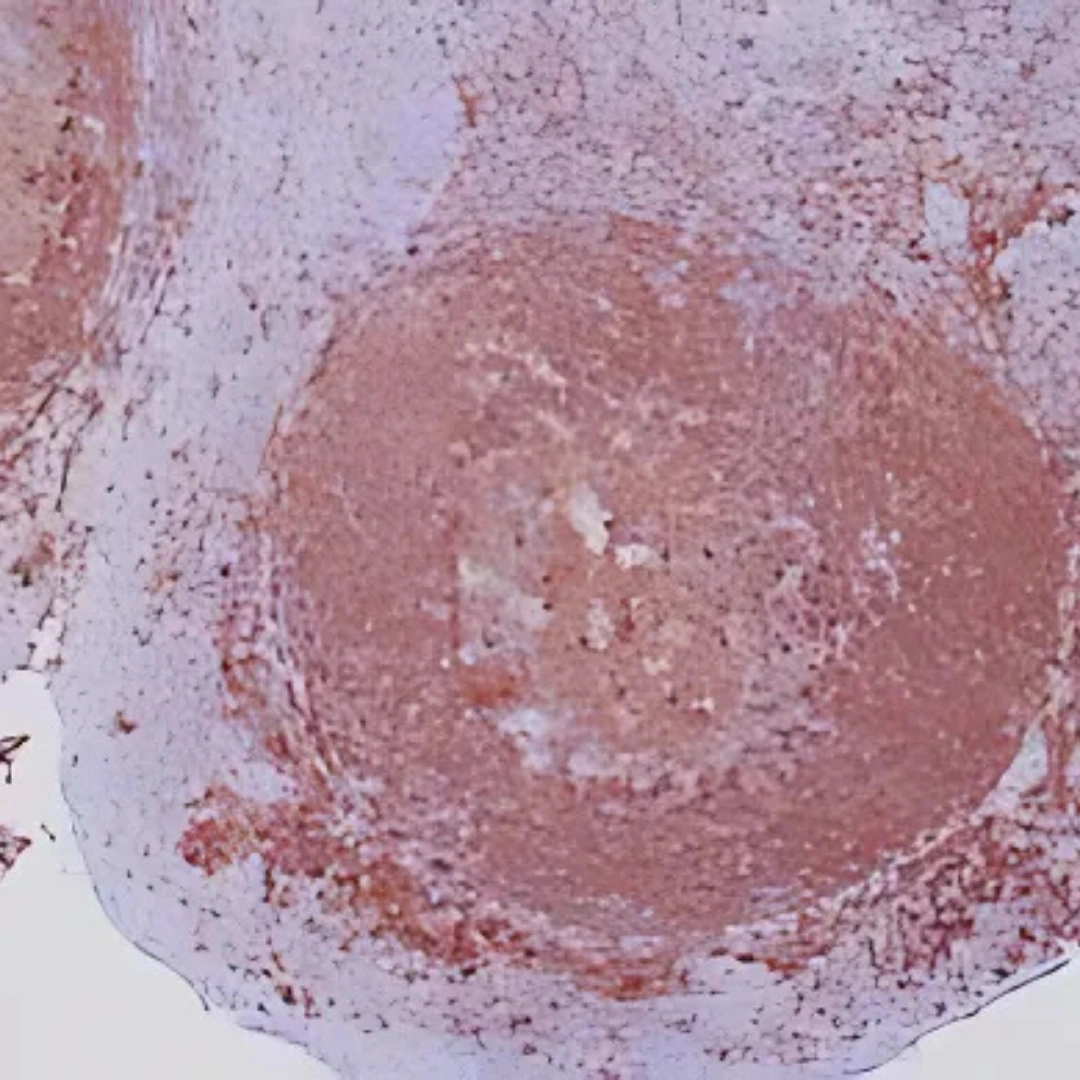
The Cytoplasmic CD79a test is an immunohistochemical (IHC) marker used in pathology to detect the presence of CD79a protein within the cytoplasm of cells. CD79a is a component of the B-cell receptor complex, expressed throughout B-cell development, including early precursor stages. Its detection helps pathologists confirm B-cell lineage in lymphomas and leukemias, even when surface markers are absent.
Uses
This marker is primarily used to diagnose and classify B-cell lymphomas and acute lymphoblastic leukemias (ALL). Cytoplasmic CD79a is especially useful in identifying precursor B-cell neoplasms where other markers like surface immunoglobulin or CD20 may not be expressed. It is also helpful in distinguishing B-cell malignancies from T-cell or myeloid neoplasms in challenging cases.
Symptoms That May Lead to the Test
Doctors may order tests that include CD79a staining if you present with symptoms such as persistent swollen lymph nodes, unexplained fever, night sweats, weight loss, recurrent infections, or abnormal blood counts. It is often part of a broader immunohistochemistry panel in patients with suspected lymphoma or leukemia.
Abnormal Results
Positive Cytoplasmic CD79a: Confirms B-cell lineage, supporting a diagnosis of B-cell lymphoma, precursor B-lymphoblastic leukemia/lymphoma, or other B-cell related neoplasms.
Negative Cytoplasmic CD79a: Suggests the absence of B-cell lineage, helping differentiate from T-cell or myeloid malignancies. Results must be interpreted along with other IHC markers and clinical findings.
Risks
This test is performed on biopsy or bone marrow samples. Risks are not from the staining itself but from the procedure used to collect the tissue, which may involve mild pain, bruising, or rare complications like bleeding or infection.


Reviews
There are no reviews yet.