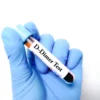
D-Dimer Profile
What it is
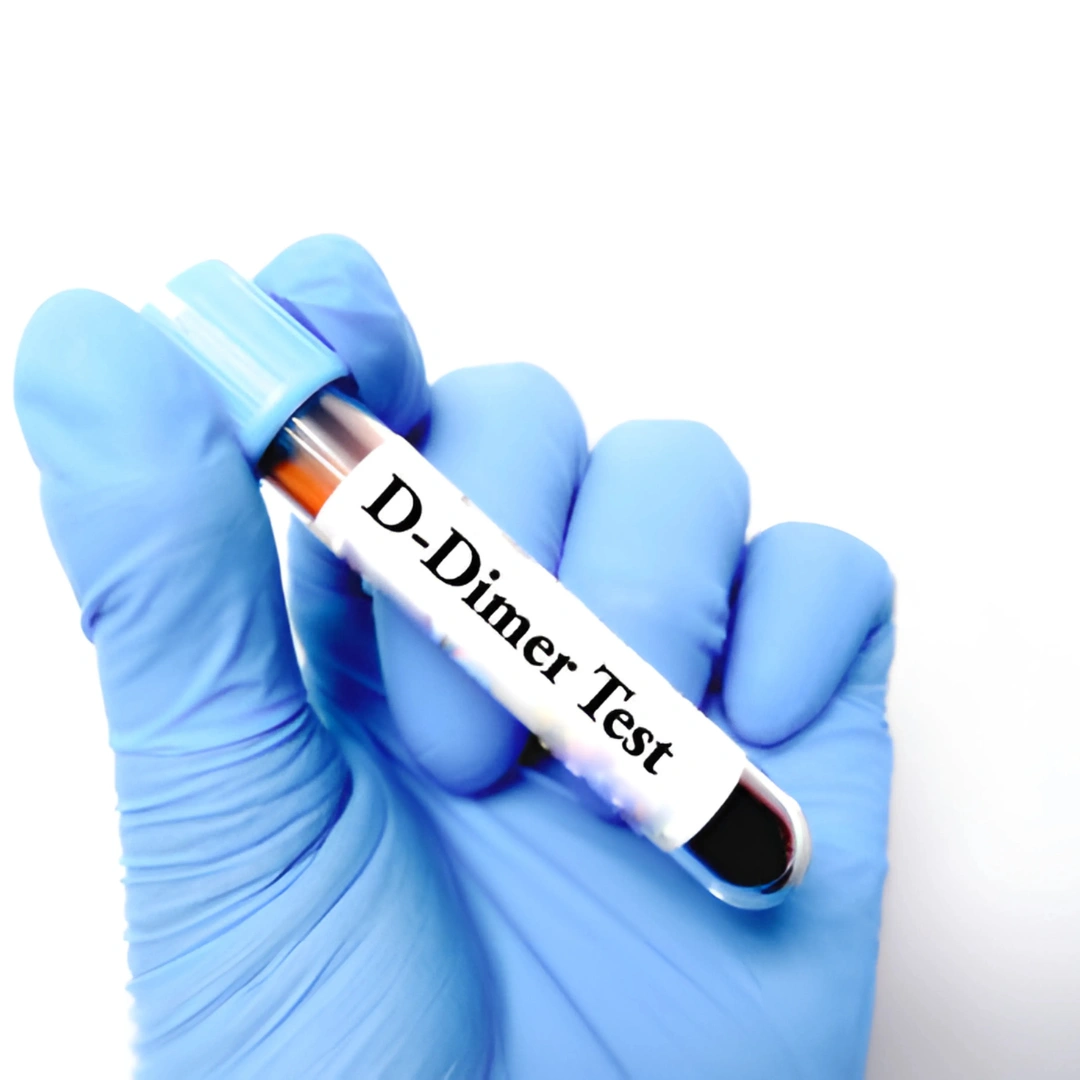
The D-Dimer Profile test measures the level of D-dimer, a protein fragment that is released into the blood when a blood clot dissolves. Normally, D-dimer levels are very low, but they increase significantly when abnormal clot formation and breakdown occur in the body. It is widely used as a marker for thrombotic disorders.
Uses
This test is primarily used to help diagnose or rule out conditions related to abnormal blood clotting, such as deep vein thrombosis (DVT), pulmonary embolism (PE), and disseminated intravascular coagulation (DIC). It is also sometimes used to evaluate clotting disorders in patients with unexplained chest pain, stroke symptoms, or in postoperative cases. In recent years, it has also been applied in monitoring severe COVID-19 infections with clotting complications.
Symptoms That May Lead to the Test
Doctors may recommend this test if you experience symptoms suggestive of blood clots, such as unexplained leg pain or swelling (DVT), sudden chest pain and shortness of breath (PE), or widespread bleeding/bruising (DIC). It may also be used in hospitalized patients with risk factors for clotting disorders.
Abnormal Results
Elevated D-Dimer: Suggests abnormal clot formation and breakdown in the body. Conditions include DVT, PE, DIC, recent surgery, trauma, pregnancy complications, or severe infections. However, elevated levels are not specific and may be seen in other conditions as well.
Normal or Low D-Dimer: Effectively rules out significant clotting disorders in most patients. A negative result makes DVT or PE unlikely in low-to-moderate risk patients.
Risks
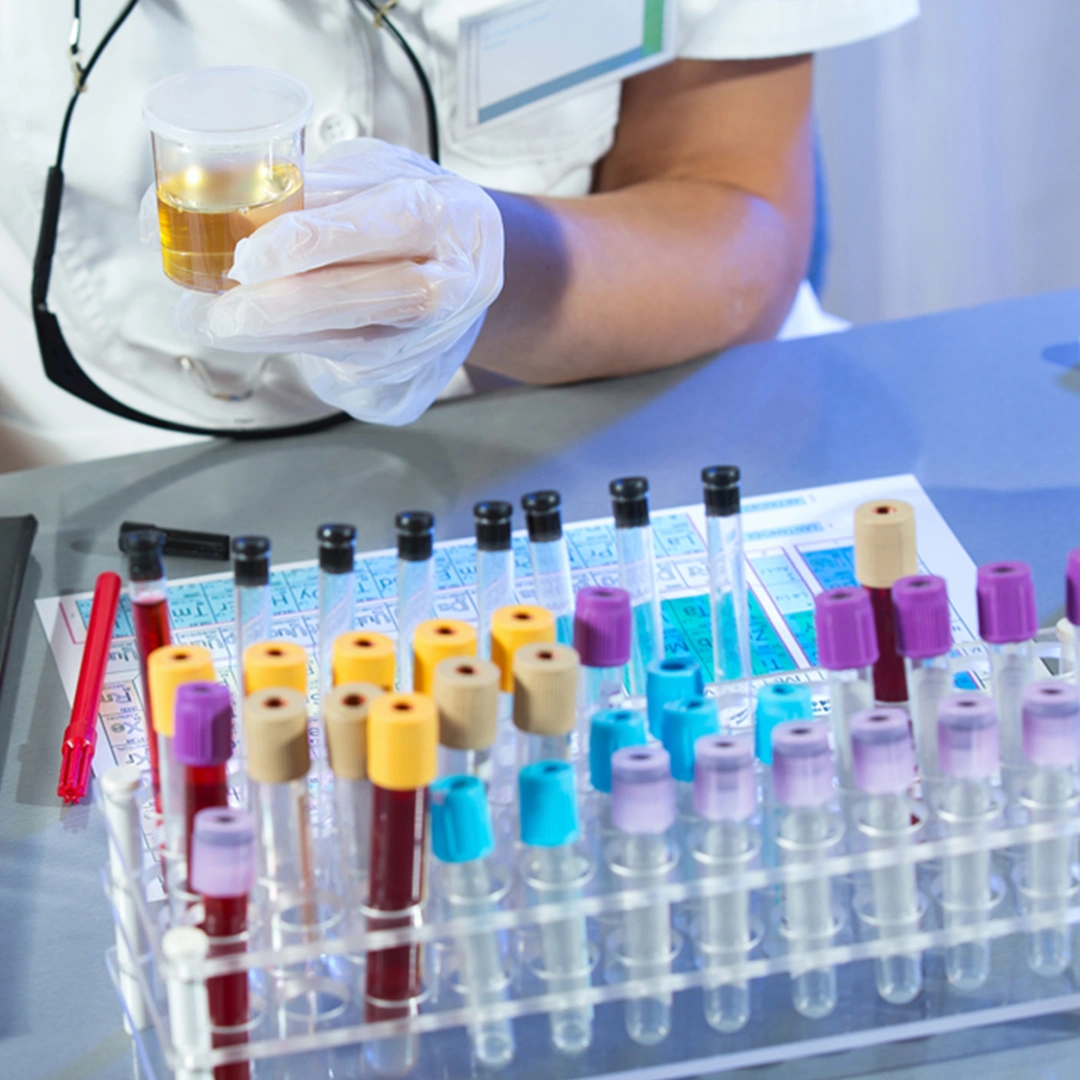
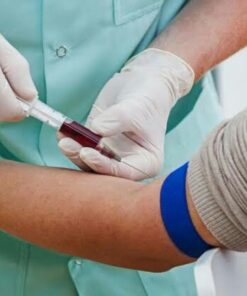
The test requires a routine blood draw. Risks are minimal and limited to slight discomfort, bruising, or dizziness at the puncture site. These effects are temporary and uncommon.


Reviews
There are no reviews yet.