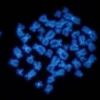
Deletion 17p, P53 (Multiple Myeloma, CLL) – Leukemic FISH
What it is
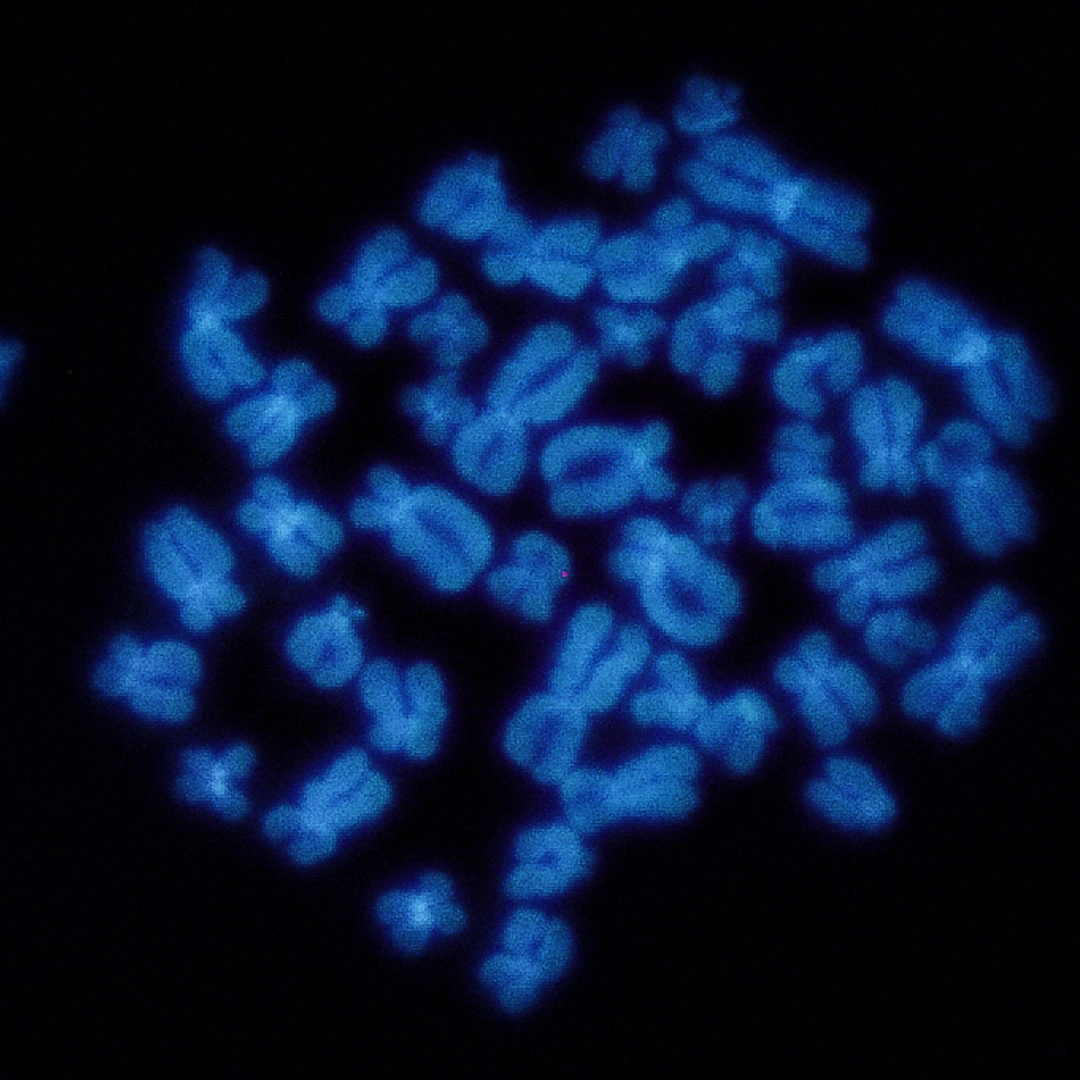
The Deletion 17p, P53 test is a specialized genetic study performed using FISH (Fluorescence In Situ Hybridization) on leukemic blood or bone marrow samples. It detects loss of the short arm of chromosome 17 (17p), which includes the TP53 tumor suppressor gene. This abnormality is one of the most important high-risk genetic markers in both chronic lymphocytic leukemia (CLL) and multiple myeloma, associated with aggressive disease and resistance to standard therapies.
Uses
This test is used to identify high-risk genetic features in patients with CLL or multiple myeloma. The presence of 17p/TP53 deletion guides prognosis and strongly influences treatment decisions. It helps oncologists decide whether patients should receive novel targeted therapies (such as BTK inhibitors, BCL-2 inhibitors, or CAR-T therapy) instead of traditional chemotherapy, which is often less effective in these cases.
Symptoms That May Lead to the Test
The test is generally ordered after a confirmed diagnosis of CLL or multiple myeloma. It may be recommended if patients present with aggressive disease features, such as rapidly enlarging lymph nodes, frequent infections, anemia, bone pain, or recurrent fractures. It is part of a standard cytogenetic panel for staging and risk assessment in blood cancers.
Abnormal Results
Positive for 17p/TP53 Deletion: Indicates high-risk disease with poor response to conventional chemotherapy. Patients often require advanced targeted therapies and close monitoring.
Negative for 17p/TP53 Deletion: Suggests the absence of this high-risk abnormality. Prognosis is generally more favorable, though other genetic changes may still affect outcomes.
Risks
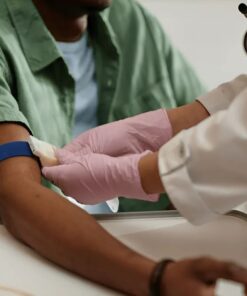
The test requires either a blood or bone marrow sample. Risks are limited to mild discomfort, bruising, or dizziness from blood collection, or temporary pain and rare complications (bleeding, infection) from bone marrow biopsy.


Reviews
There are no reviews yet.