Dengue (RNA Detection) Qualitative
What it is
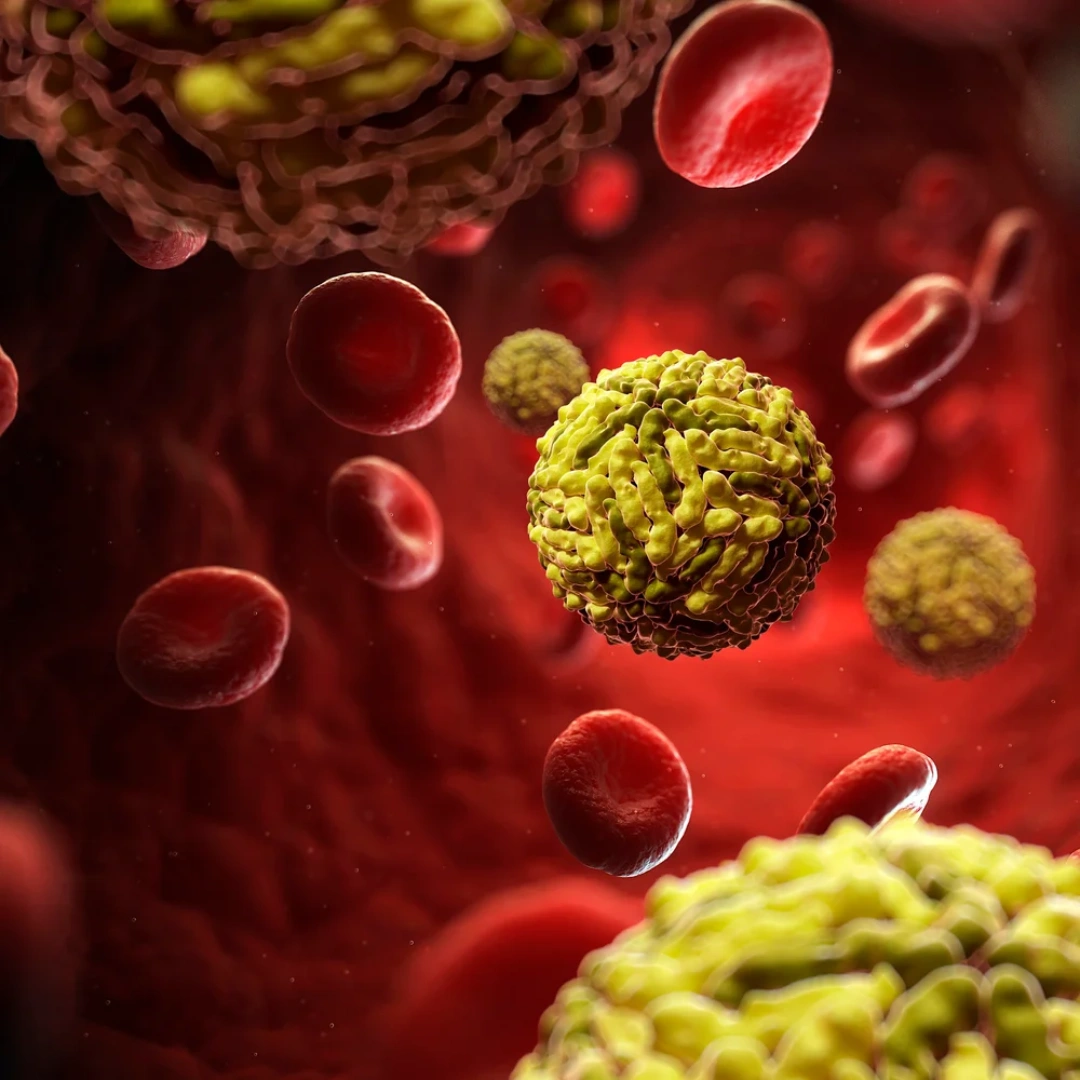
The Dengue (RNA Detection) Qualitative test is a molecular diagnostic test that detects the genetic material (RNA) of the dengue virus in a blood sample. Using techniques such as RT-PCR (reverse transcription polymerase chain reaction), this test identifies active infection in the early stages, often before antibodies become detectable. It provides a highly specific confirmation of dengue virus presence.
Uses
This test is used to confirm acute dengue infection, especially in the early phase (within the first 1–5 days of fever), when viral RNA is most abundant in the blood. It is particularly valuable in differentiating dengue from other febrile illnesses like chikungunya, malaria, or Zika. It helps guide clinical management, isolation measures, and public health interventions.
Symptoms That May Lead to the Test
Doctors may recommend this test if you experience sudden high fever, severe headache, retro-orbital (behind the eyes) pain, muscle and joint pain, skin rash, nausea, vomiting, or mild bleeding (such as gum bleeding or nosebleeds). It is especially indicated if you live in or have traveled to dengue-endemic regions.
Abnormal Results
Positive Result: Confirms the presence of dengue virus RNA in the blood, indicating an active infection. It helps doctors diagnose dengue early, even before antibody tests turn positive.
Negative Result: Suggests no dengue RNA was detected. A negative result does not completely rule out dengue, especially if testing was done outside the optimal detection window or if viral load is very low. Additional antibody tests (IgM/IgG) may be needed.
Risks
The test involves a routine blood draw. Risks are minimal and limited to mild pain, bruising, or dizziness at the puncture site. These effects are temporary and rare.


Reviews
There are no reviews yet.