Digoxin
What it is
The Digoxin test measures the concentration of digoxin in the blood. Digoxin is a cardiac glycoside medication used to treat certain heart conditions such as atrial fibrillation, atrial flutter, and heart failure. Monitoring blood levels is important because digoxin has a narrow therapeutic range—too little may be ineffective, while too much can cause toxicity.
Uses
This test is used to monitor therapeutic levels of digoxin in patients undergoing treatment, to check compliance, and to evaluate possible toxicity. Doctors also use it to adjust dosage in individuals with kidney impairment, elderly patients, or those taking other medications that interact with digoxin.
Symptoms That May Lead to the Test
The test may be recommended if you are taking digoxin and experience symptoms such as nausea, vomiting, loss of appetite, vision disturbances (blurred or yellow vision), confusion, dizziness, irregular heartbeat, or palpitations. These may indicate digoxin toxicity and require urgent evaluation.
Abnormal Results
High Digoxin Levels: May indicate toxicity, which can lead to dangerous arrhythmias, neurological symptoms, or gastrointestinal disturbances. Immediate medical attention is needed.
Low Digoxin Levels: Suggests that the medication may not be working effectively, possibly due to underdosing, poor absorption, or drug interactions.
Risks
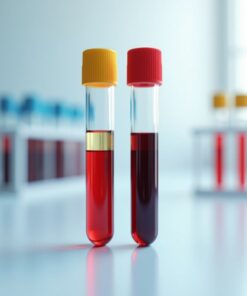
The test requires a routine blood sample. Risks are minimal, including mild pain, bruising, or dizziness at the puncture site. These effects are temporary and rare.


Reviews
There are no reviews yet.