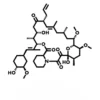
Drug Tacrolimus (FK-506), Blood
What it is
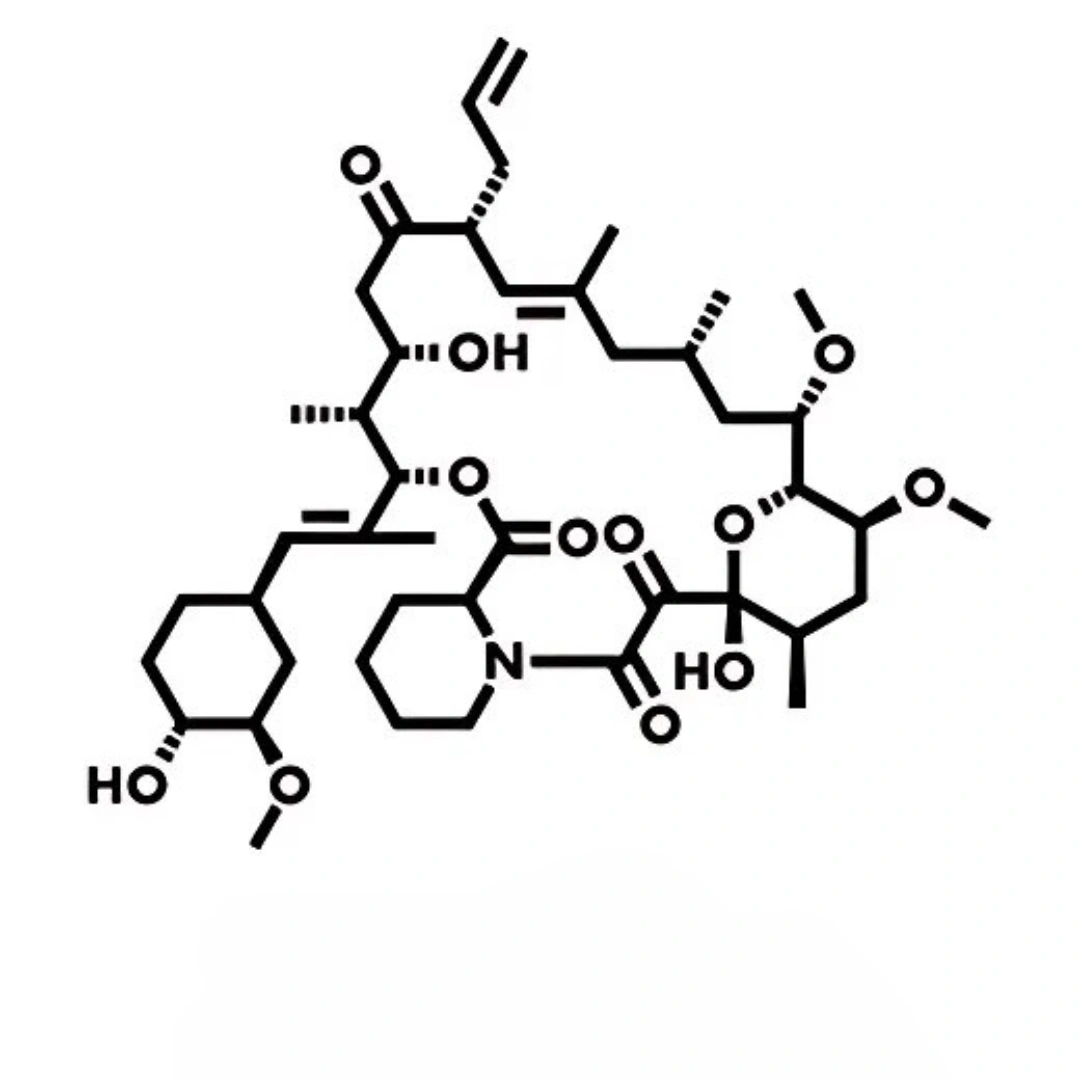
The Drug Tacrolimus (FK-506), Blood test measures the concentration of tacrolimus in the blood. Tacrolimus is an immunosuppressant medication commonly used to prevent organ rejection after kidney, liver, heart, or lung transplantation. It works by suppressing the immune system to prevent it from attacking the transplanted organ. Since tacrolimus has a narrow therapeutic range, careful monitoring is required.
Uses
This test is used to monitor drug levels in patients receiving tacrolimus therapy. It helps doctors ensure that tacrolimus concentrations remain within the therapeutic range—high enough to prevent rejection but not so high as to cause toxicity. It is also used to check patient compliance and to adjust doses in cases of drug interactions or organ impairment.
Symptoms That May Lead to the Test
Doctors may recommend this test for transplant patients on tacrolimus. It is especially important if you develop symptoms of toxicity such as tremors, headaches, high blood pressure, kidney problems, nausea, confusion, or seizures. Regular testing is part of post-transplant monitoring, even if no symptoms are present.
Abnormal Results
High Tacrolimus Levels: May indicate toxicity, which can cause kidney damage, neurological problems, hypertension, or increased risk of infection.
Low Tacrolimus Levels: Suggest inadequate immunosuppression, increasing the risk of transplant rejection.
Risks
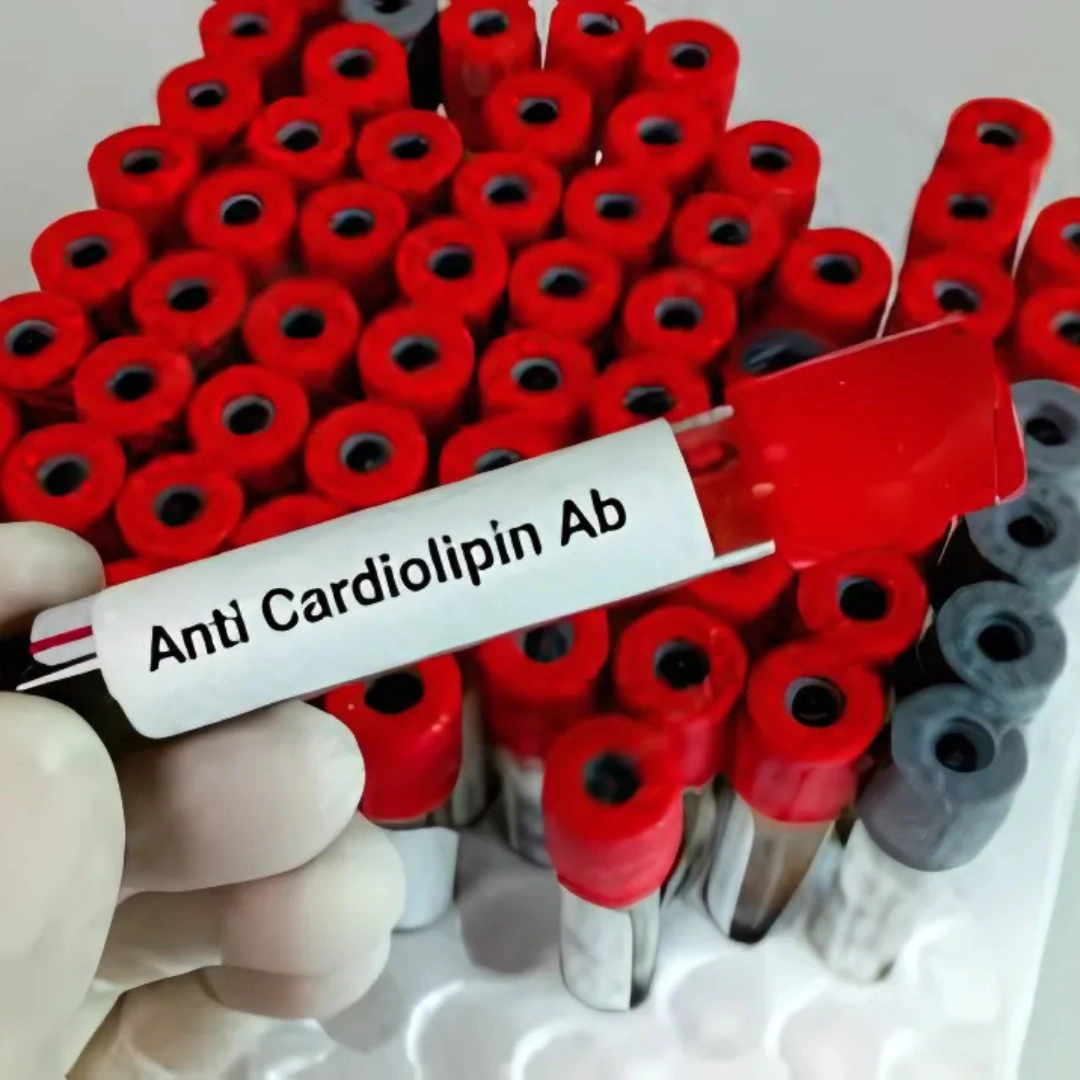
The test requires a standard blood sample, usually drawn just before the next scheduled dose (trough level). Risks are minimal and limited to mild pain, bruising, or dizziness at the puncture site. These effects are temporary and uncommon.


Reviews
There are no reviews yet.