Drugs of Abuse Panel – 6 Drug Panel, Quantitative
What it is
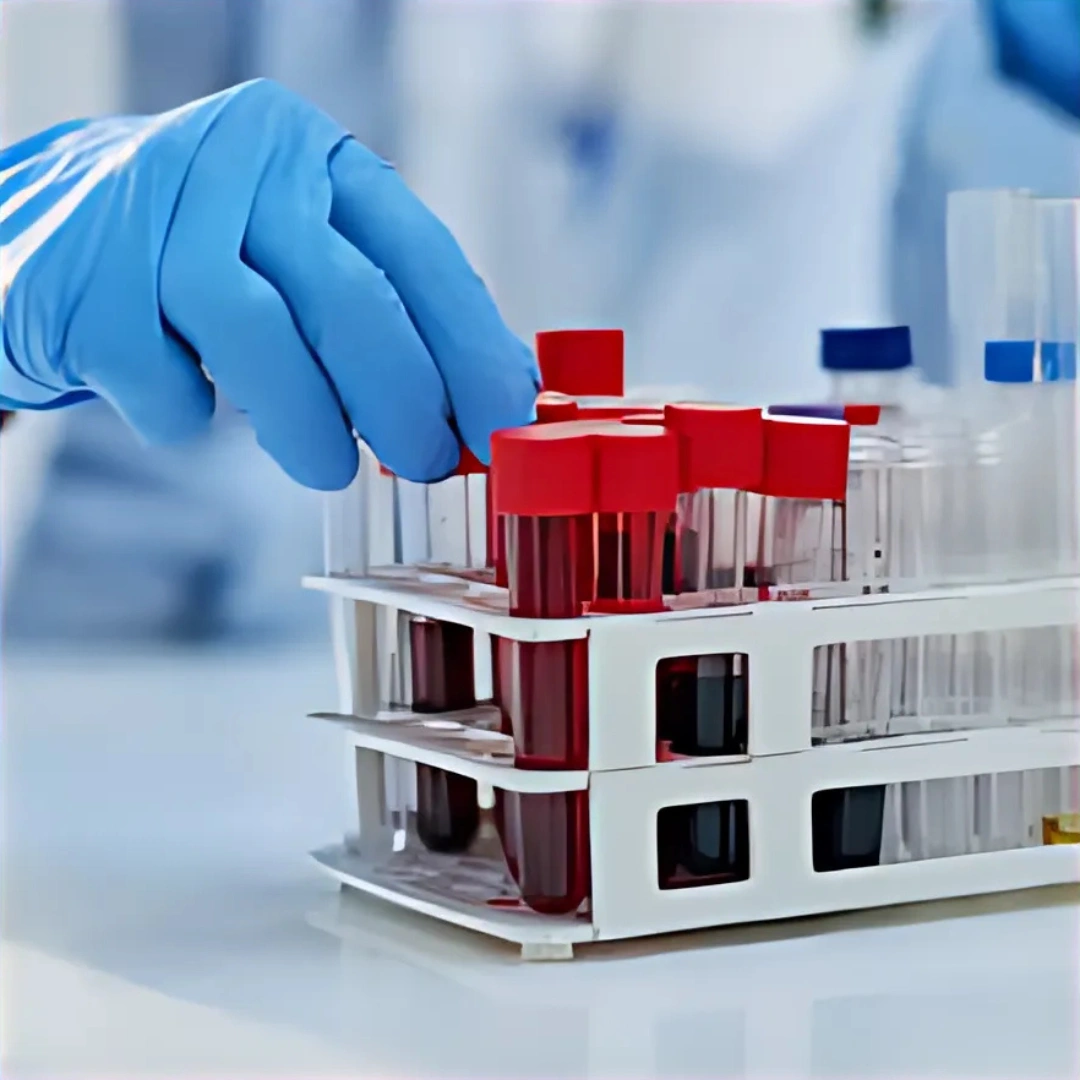
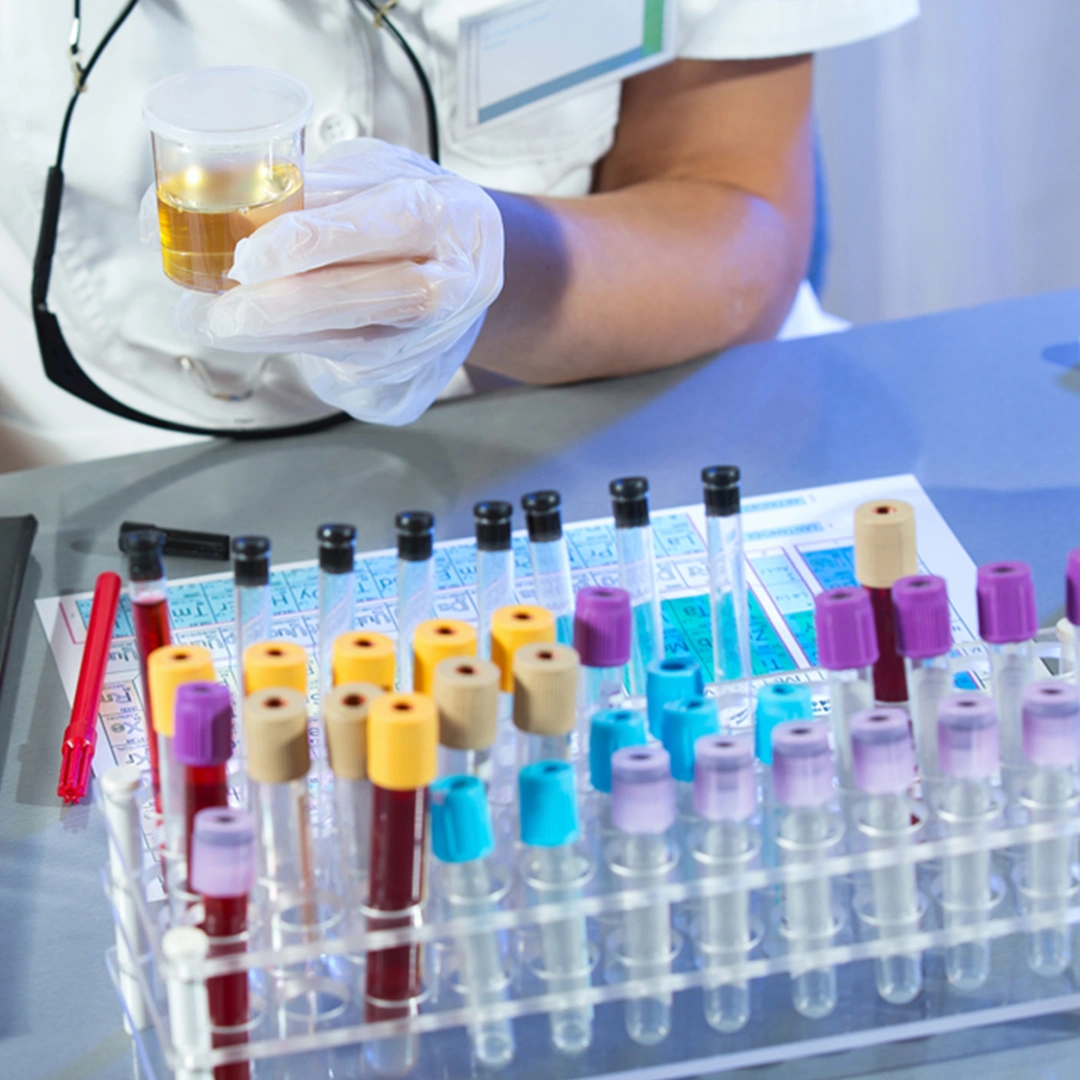
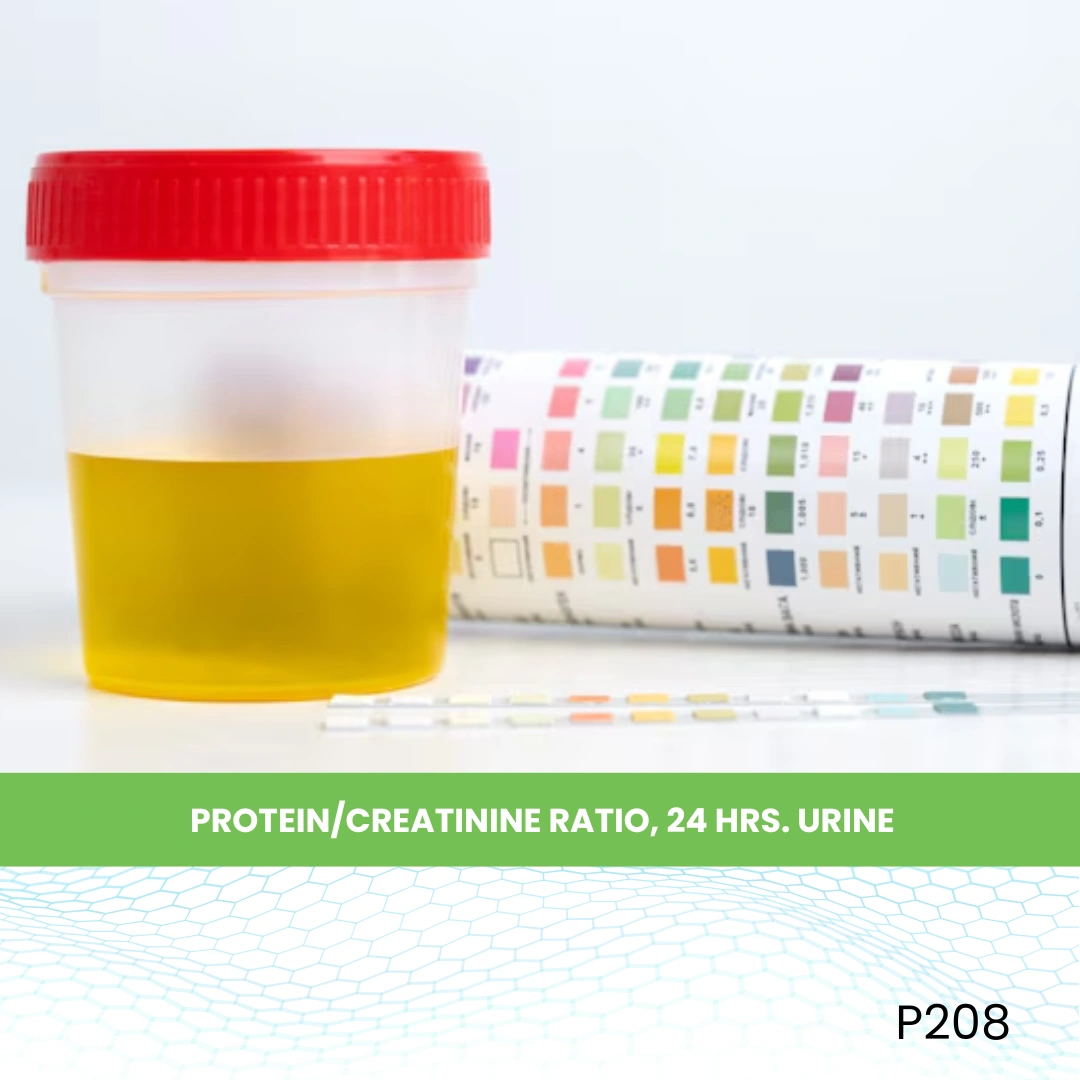
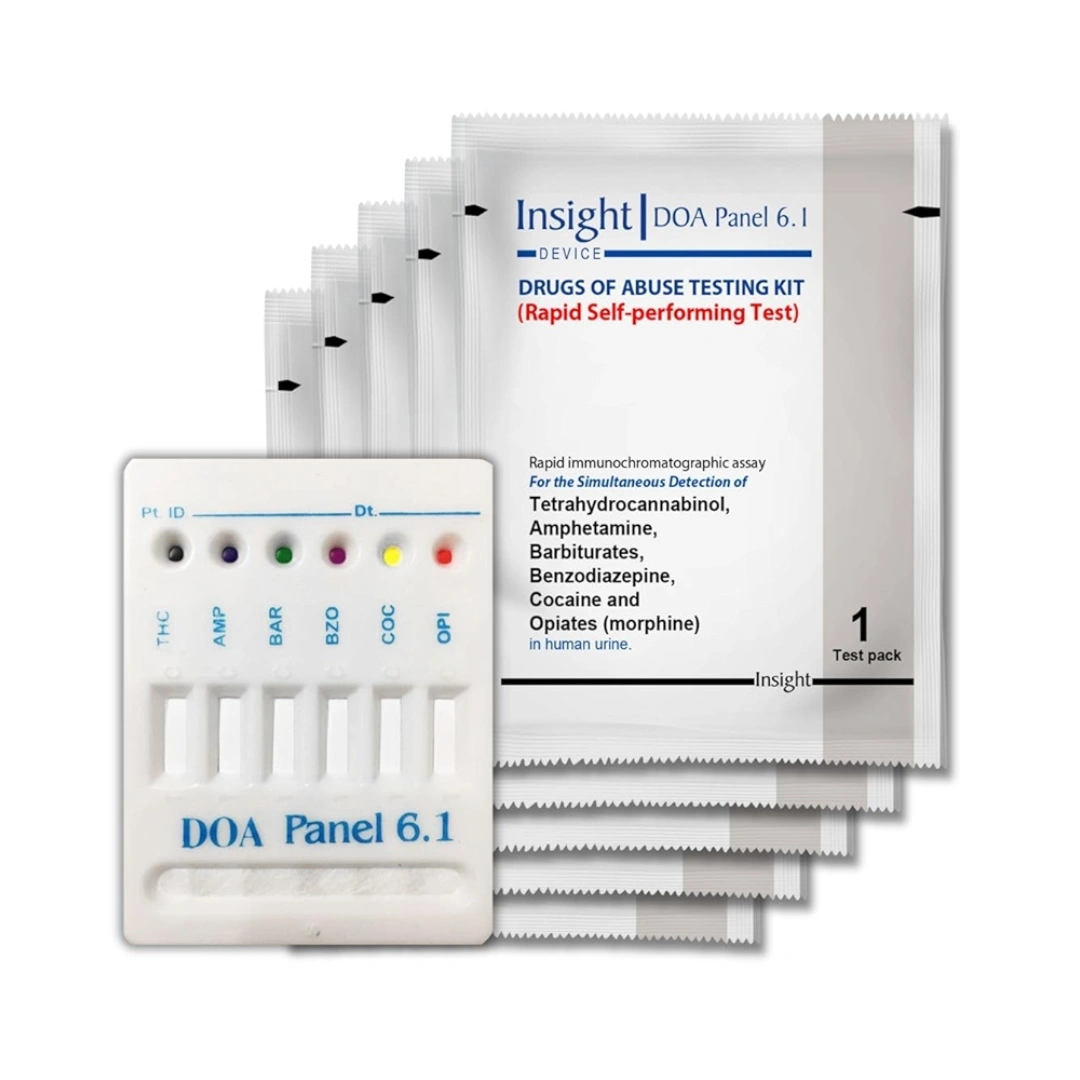
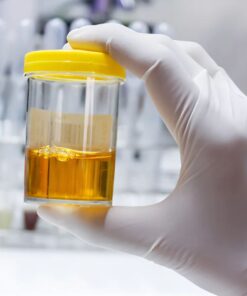
The Drugs of Abuse Panel – 6 Drug Panel, Quantitative test measures the concentration of commonly abused drugs in a urine sample. Unlike qualitative screens that only report positive/negative results, the quantitative version provides exact drug levels, allowing for more precise monitoring. This panel typically includes six major drug classes such as amphetamines, cocaine, marijuana (THC), opiates, benzodiazepines, and barbiturates, though specific inclusions may vary by lab.
Uses
This test is used in clinical toxicology, addiction treatment programs, workplace drug testing, legal or forensic investigations, and medical evaluations of patients with suspected drug misuse. The quantitative results help differentiate between recent use, chronic use, or residual drug presence, and are essential for treatment planning and compliance monitoring.
Symptoms That May Lead to the Test
Doctors or authorities may request this test if an individual shows signs of substance abuse such as confusion, euphoria, paranoia, erratic behavior, slurred speech, poor coordination, frequent absenteeism, or unexplained medical issues. It is also recommended for individuals in rehabilitation programs or under legal supervision.
Abnormal Results
Positive / Elevated Levels: Indicates recent or chronic use of one or more drug classes. Higher concentrations may correlate with frequency or amount of use, though interpretation requires clinical correlation.
Low or Negative Levels: Suggests no detectable drug presence, levels below the reporting threshold, or abstinence. It may also occur if testing was done outside the drug’s detection window.
Risks
The test is non-invasive and requires only a urine sample. Risks are minimal and limited to potential embarrassment during collection. There are no physical side effects.


Reviews
There are no reviews yet.