Duchenne Muscular Dystrophy (DMD) – PCR
What it is
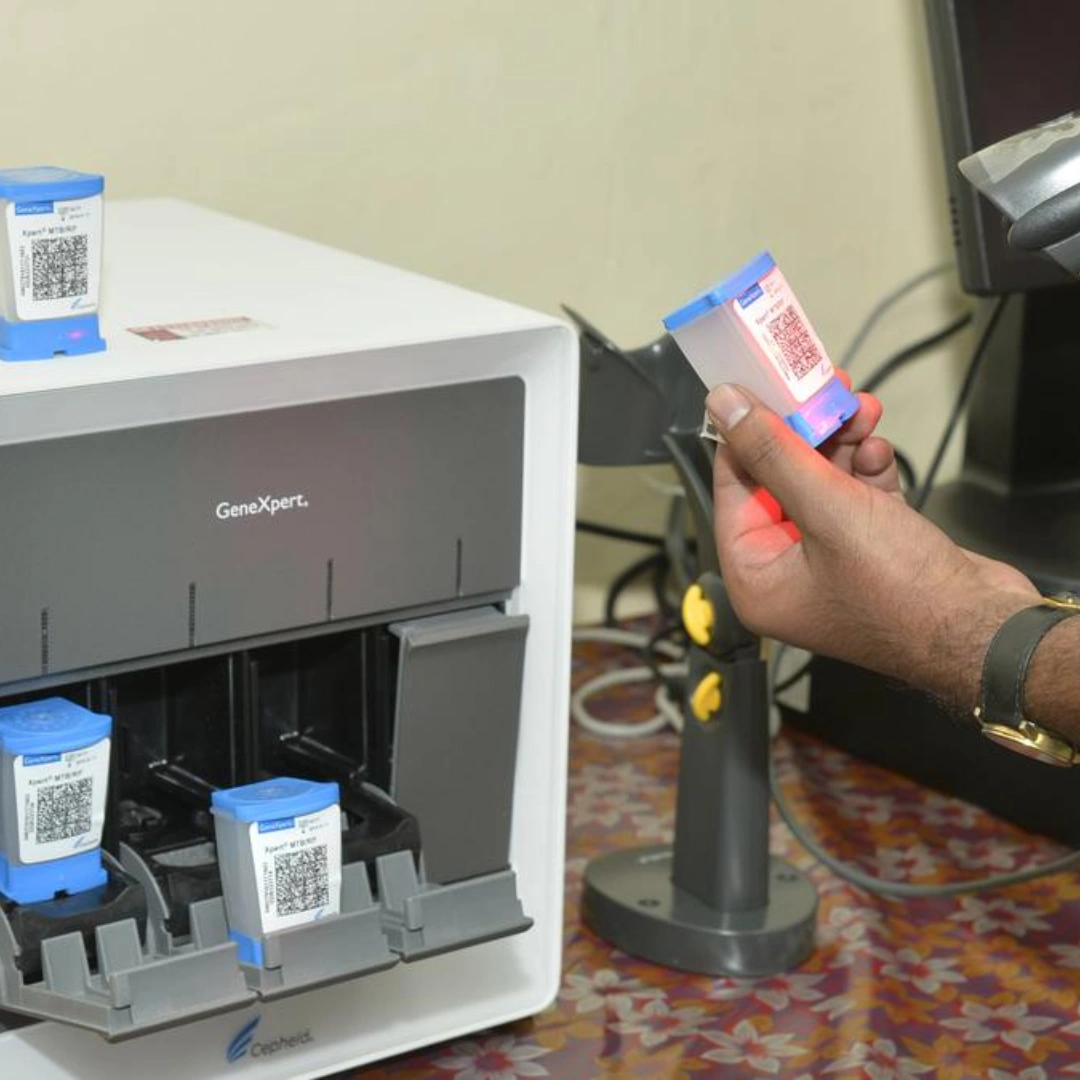
The Duchenne Muscular Dystrophy (DMD) – PCR test is a genetic test that detects deletions or duplications in the dystrophin (DMD) gene using Polymerase Chain Reaction (PCR) technology. Mutations in the DMD gene cause Duchenne muscular dystrophy, a severe X-linked inherited disorder that leads to progressive muscle weakness and degeneration, typically beginning in early childhood.
Uses
This test is used to confirm a clinical diagnosis of Duchenne muscular dystrophy, identify carriers of the condition (such as female relatives of affected boys), and provide genetic counseling for families. It also plays a role in prenatal testing when there is a known family history of DMD and in selecting patients for advanced therapies or clinical trials.
Symptoms That May Lead to the Test
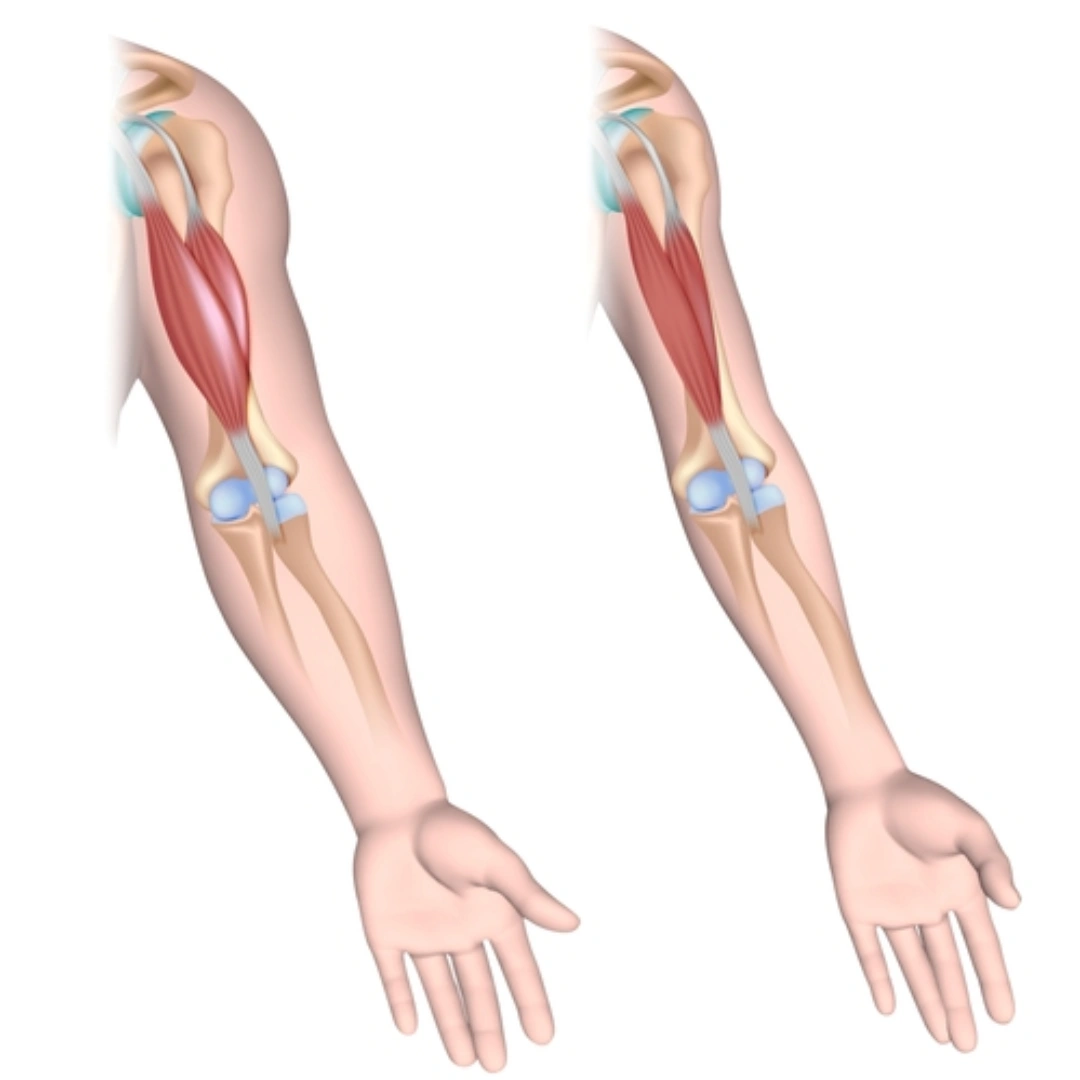
Doctors may recommend this test if a child presents with delayed motor milestones, frequent falls, difficulty climbing stairs, enlarged calf muscles (pseudohypertrophy), or progressive muscle weakness. Family history of DMD or unexplained high creatine kinase (CK) levels may also prompt genetic testing.
Abnormal Results
Positive Result (mutation detected): Confirms the presence of a pathogenic mutation in the DMD gene, establishing the diagnosis of Duchenne muscular dystrophy or confirming carrier status.
Negative Result (no mutation detected): Suggests no detectable mutation in the regions screened by PCR. However, since not all mutations are detectable by PCR, additional methods like MLPA (Multiplex Ligation-dependent Probe Amplification) or sequencing may be required.
Risks
The test requires a standard blood draw. Risks are minimal and limited to mild pain, bruising, or dizziness at the puncture site. The genetic testing itself carries no physical risk but may have psychological and family counseling implications.


Reviews
There are no reviews yet.