EBV IgG – Antibody to Viral Capsid Antigen (VCA)
What it is
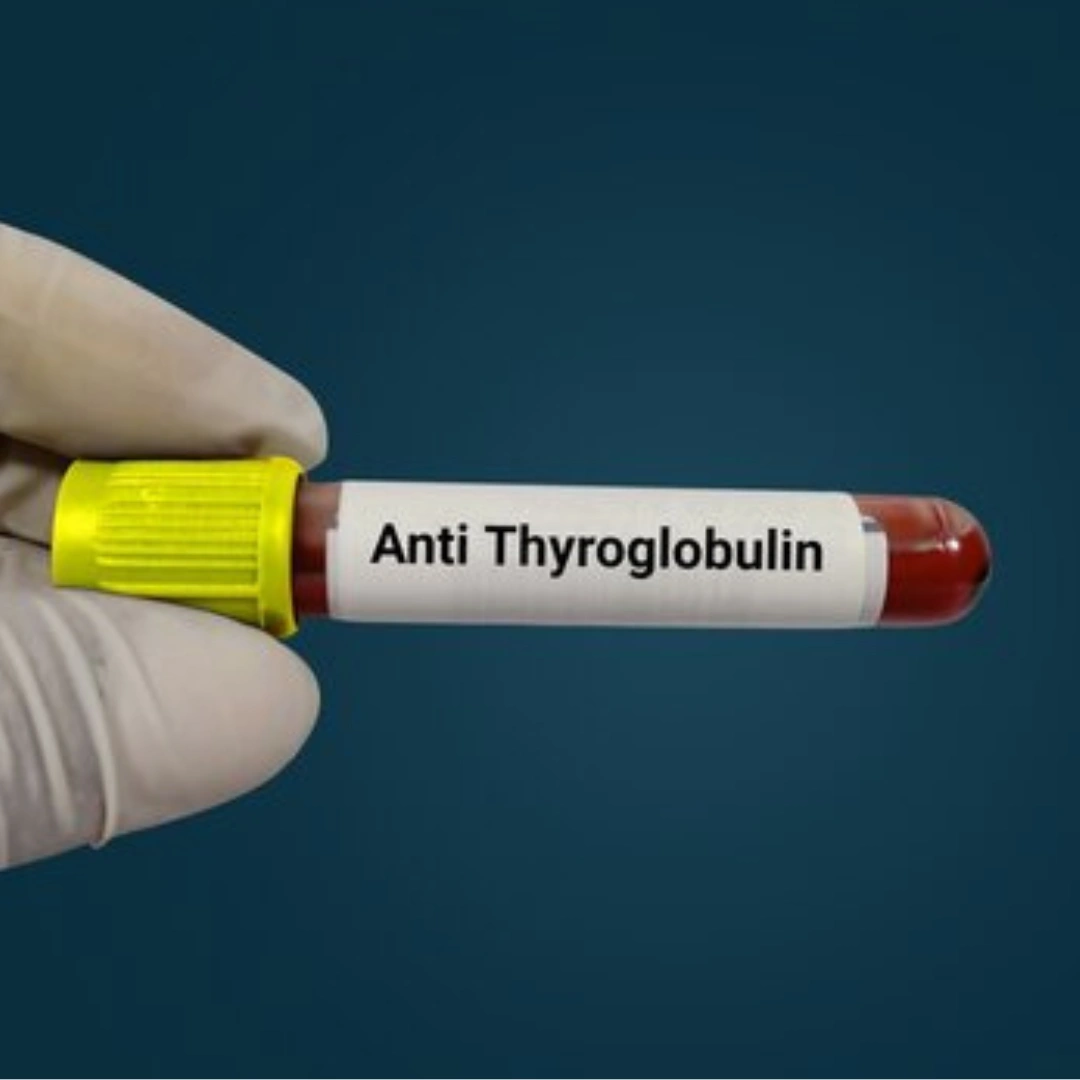
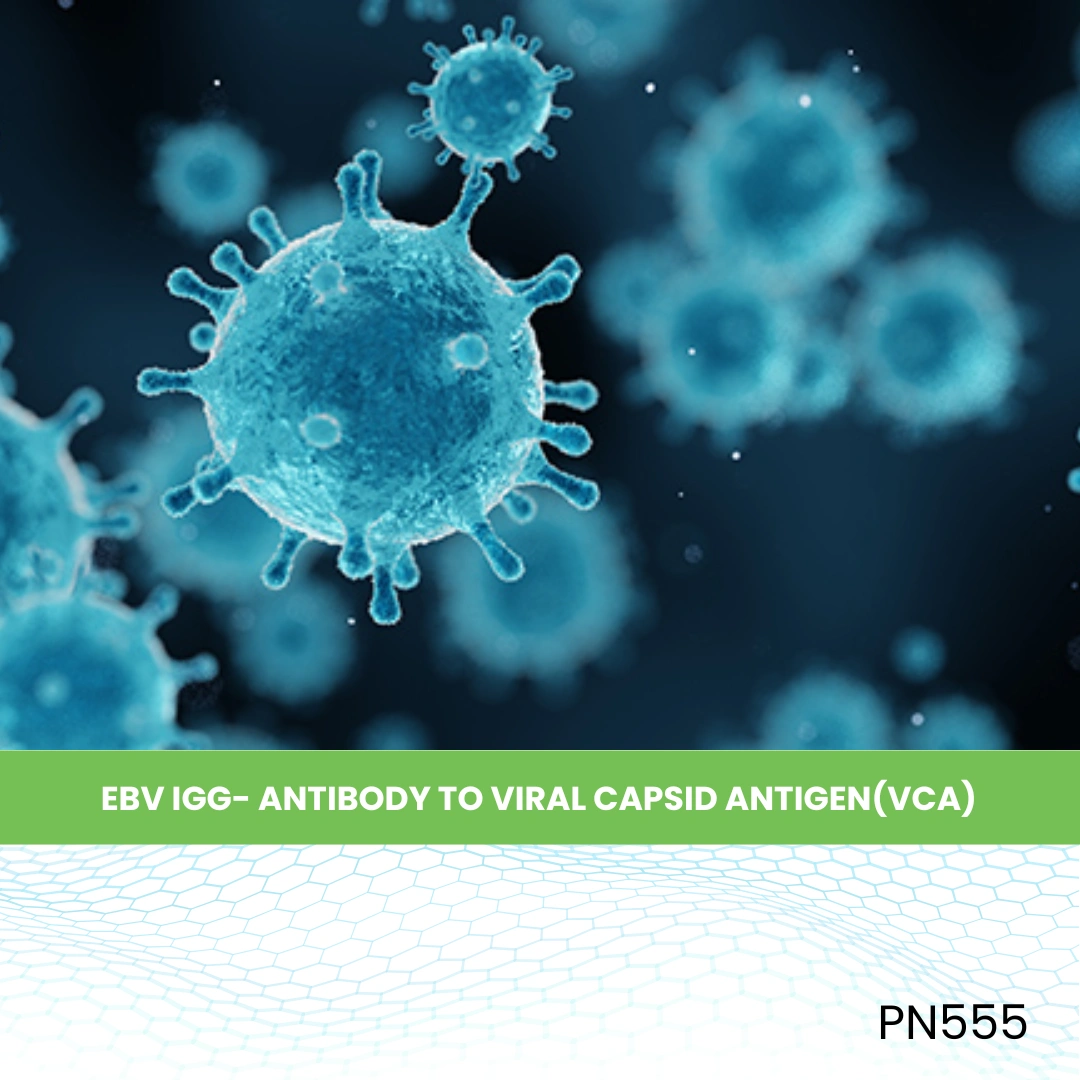
The EBV IgG – Antibody to Viral Capsid Antigen (VCA) test detects IgG antibodies directed against the capsid proteins of the Epstein-Barr Virus (EBV). EBV is a member of the herpesvirus family and the cause of infectious mononucleosis (“mono” or “kissing disease”). IgG antibodies appear during the acute phase of infection but remain in the body for life, serving as a marker of past EBV exposure or immunity.
Uses
This test is used to determine whether a person has had a past EBV infection, to distinguish between acute and past infection when combined with other EBV antibody tests (IgM VCA, EBNA), and to evaluate immune status in immunocompromised patients. It may also be part of a diagnostic workup for unexplained fever, fatigue, swollen lymph nodes, or atypical lymphocytosis.
Symptoms That May Lead to the Test
Doctors may recommend this test if you have symptoms such as prolonged fever, severe fatigue, sore throat, swollen lymph nodes, enlarged spleen, rash, or liver involvement. It is also useful in cases of suspected mononucleosis, especially when other causes of infection need to be excluded.
Abnormal Results
Positive IgG VCA: Indicates past or resolved EBV infection. Once present, these antibodies remain detectable for life, confirming prior exposure.
Negative IgG VCA: Suggests no previous EBV infection or immunity. If acute infection is suspected, additional tests such as IgM VCA or EBV PCR may be needed.
Risks
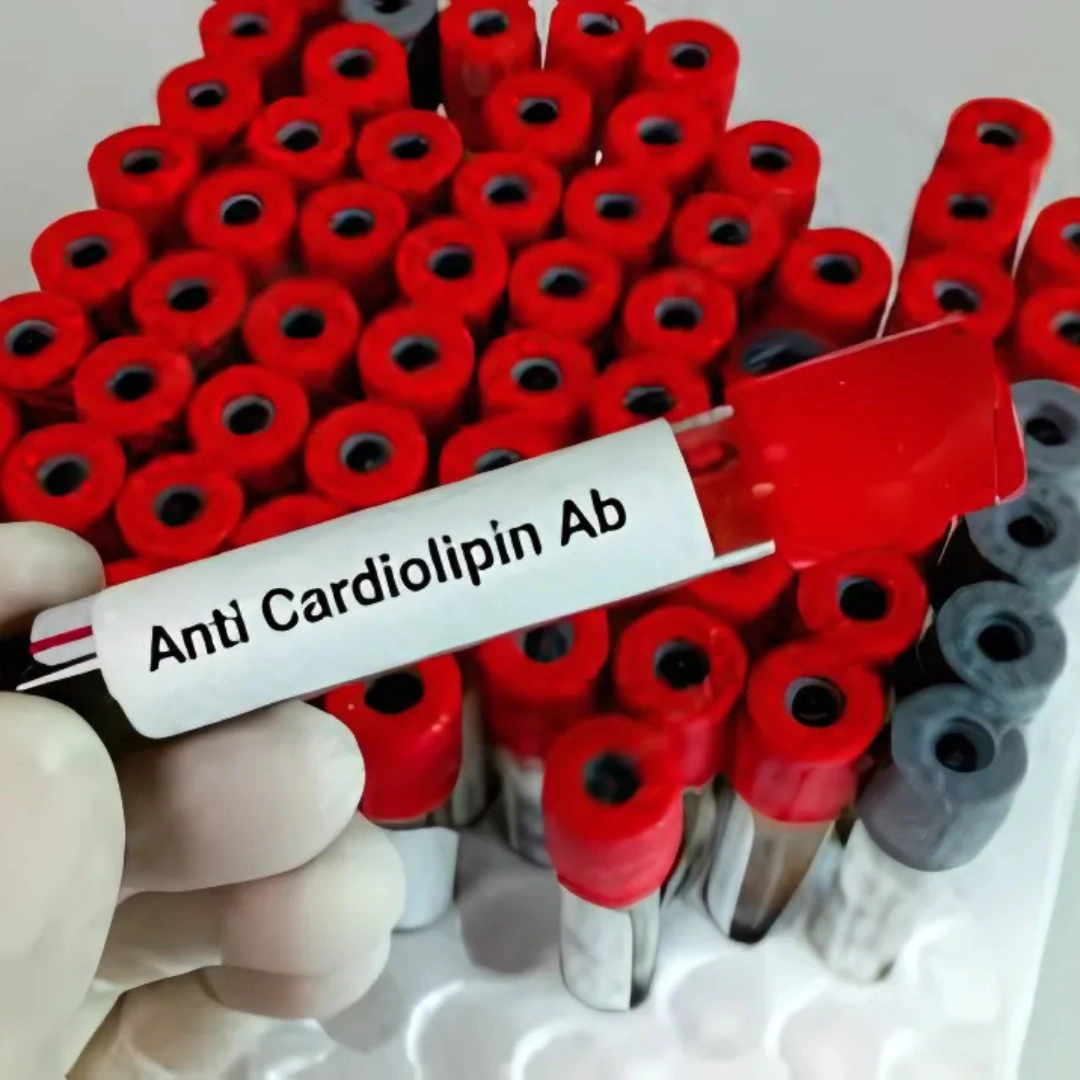
The test requires a standard blood sample. Risks are minimal, including mild discomfort, bruising, or dizziness at the puncture site. These effects are temporary and uncommon.


Reviews
There are no reviews yet.