Electrolytes (Sodium, Potassium, Chloride), Urine
What it is
The Electrolytes (Sodium, Potassium, Chloride), Urine test measures the levels of three key electrolytes excreted in the urine. These minerals are essential for maintaining fluid balance, acid–base regulation, nerve function, and muscle activity. Measuring urinary excretion helps assess kidney function, hydration status, electrolyte imbalances, and the body’s ability to regulate salts and water.
Uses
This test is used to evaluate electrolyte balance in patients with suspected kidney disease, dehydration, overhydration, hypertension, metabolic acidosis or alkalosis, and certain endocrine disorders (such as adrenal or pituitary abnormalities). It also helps monitor patients receiving diuretic therapy and guides treatment for electrolyte replacement or restriction.
Symptoms That May Lead to the Test
Doctors may order this test if you experience symptoms such as persistent vomiting, diarrhea, muscle weakness, cramps, irregular heartbeat, swelling, dehydration, or unexplained fatigue. It may also be recommended in cases of high blood pressure, kidney dysfunction, or suspected electrolyte imbalance due to medication use.
Abnormal Results
High Sodium (Urine): May indicate diuretic use, excessive salt intake, adrenal gland disorders, or impaired kidney sodium regulation.
Low Sodium (Urine): Seen in dehydration, heart failure, cirrhosis, nephrotic syndrome, or SIADH (syndrome of inappropriate antidiuretic hormone secretion).
High Potassium (Urine): May occur with kidney tubular disorders, diuretic therapy, or adrenal hormone imbalances.
Low Potassium (Urine): Suggests inadequate intake, vomiting, diarrhea, or certain kidney conditions.
Chloride Abnormalities: Help distinguish causes of acid–base imbalances, such as metabolic alkalosis (low chloride) or renal tubular acidosis (high chloride).
Risks
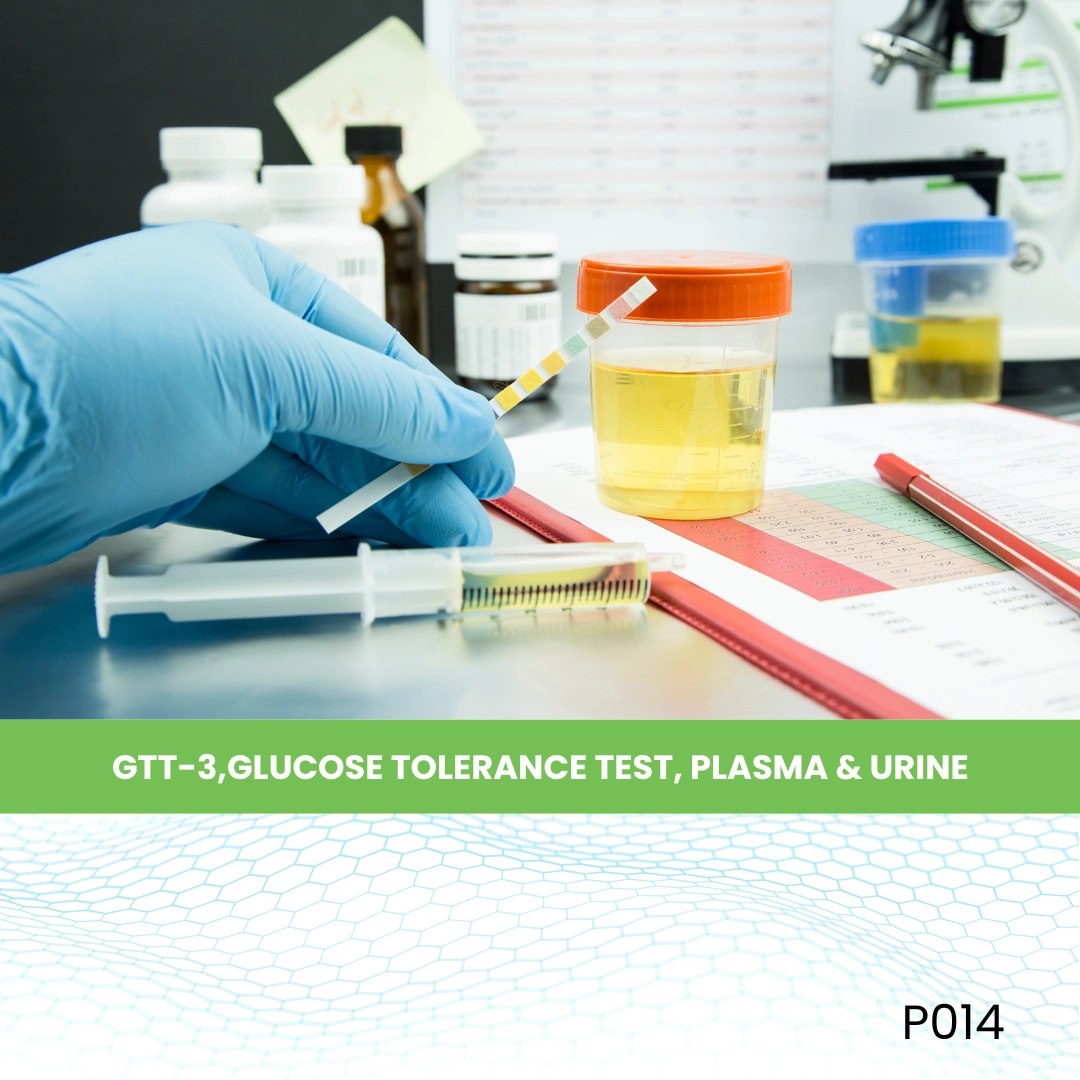
The test requires a urine sample, either random or 24-hour collection. Risks are minimal, limited to possible inconvenience or collection errors that may affect accuracy. There are no direct physical risks.


Reviews
There are no reviews yet.