Echinococcus Detection
What it is
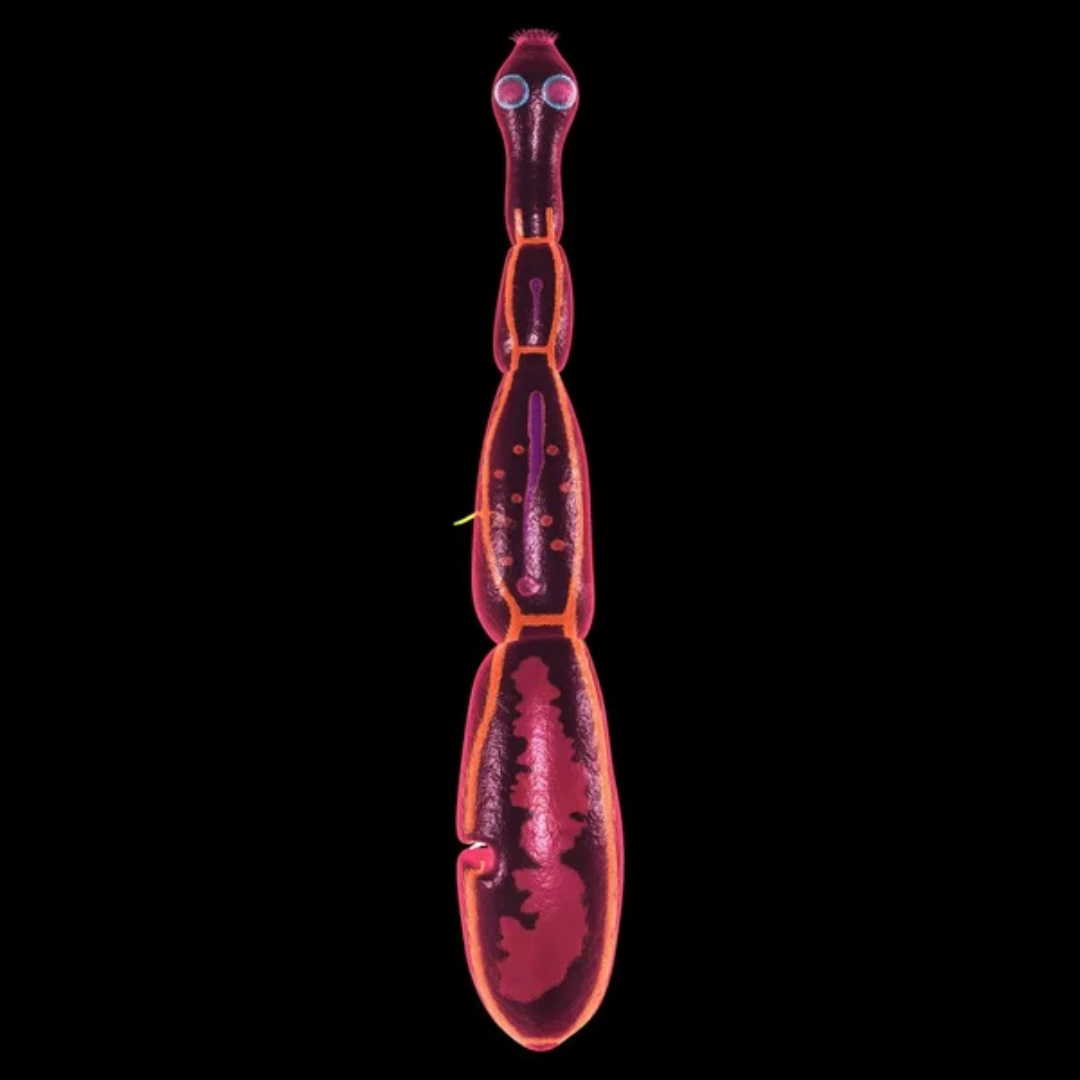
The Echinococcus Detection test identifies infection caused by the Echinococcus species of tapeworms, responsible for echinococcosis or hydatid disease. These parasites form fluid-filled cysts, usually in the liver or lungs, but may also affect other organs. Diagnosis can involve serological antibody tests (IgG), antigen detection, or molecular methods (PCR) to confirm exposure or active infection.
Uses
This test is used to detect echinococcal infection in patients with suspected hydatid cysts. It helps differentiate parasitic disease from other causes of cystic lesions in the liver, lungs, or other organs. It is also useful for monitoring after treatment or surgery to check for recurrence of the disease.
Symptoms That May Lead to the Test
Doctors may recommend this test if you present with symptoms such as abdominal pain, swelling, nausea, chronic cough, chest pain, or signs of organ compression. In many cases, cysts remain asymptomatic until they grow large or rupture, so the test is often indicated if imaging (ultrasound, CT scan) reveals suspicious cystic lesions, especially in people from endemic areas or with livestock exposure.
Abnormal Results
Positive Result: Indicates exposure or active infection with Echinococcus species. A positive antibody or antigen test should be correlated with imaging and clinical findings for confirmation.
Negative Result: Suggests no evidence of echinococcal infection, but early infection or small cysts may yield false negatives. Repeat testing or imaging may be required if suspicion remains high.
Risks
The test usually involves a blood sample. Risks are minimal and include mild pain, bruising, or dizziness at the puncture site. In rare cases, cyst biopsy or aspiration may be needed for diagnosis, which carries additional risks.


Reviews
There are no reviews yet.