Epstein-Barr Virus (EBV) Early Antigen IgG Antibodies
What it is
The EBV Early Antigen (EA) IgG Antibodies test detects IgG antibodies against the early antigen complex of Epstein-Barr Virus (EBV). EBV is a herpesvirus that causes infectious mononucleosis and is linked to certain chronic conditions and malignancies. IgG antibodies to EA usually appear in the acute or active phase of infection and often decline within 3–6 months, though they may persist in some individuals with chronic or reactivated EBV infections.
Uses
This test is used to help distinguish between acute, past, or reactivated EBV infection when interpreted with other EBV antibody tests (VCA IgM, VCA IgG, EBNA IgG). It is particularly valuable for identifying ongoing or reactivated infection in patients with prolonged symptoms or suspected chronic EBV-related conditions.
Symptoms That May Lead to the Test
Doctors may order this test if you have prolonged fever, sore throat, swollen lymph nodes, fatigue, or organ enlargement (liver or spleen). It may also be recommended in cases of suspected EBV reactivation, chronic mononucleosis-like illness, or certain EBV-associated cancers such as nasopharyngeal carcinoma or Hodgkin’s lymphoma.
Abnormal Results
Positive EBV EA IgG: Suggests a recent or ongoing EBV infection. Persistent positivity may indicate reactivation or chronic EBV-related illness.
Negative EBV EA IgG: Suggests no current or recent EBV activity. In such cases, past infection is usually confirmed with EBV VCA IgG and EBNA IgG positivity.
Risks
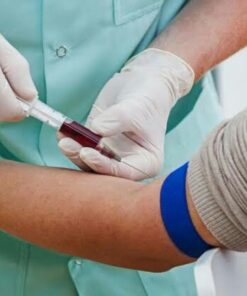
The test requires a standard blood draw. Risks are minimal and may include mild pain, bruising, or dizziness at the puncture site, which are temporary and uncommon.


Reviews
There are no reviews yet.