Factor V (Leiden Mutation)
What it is
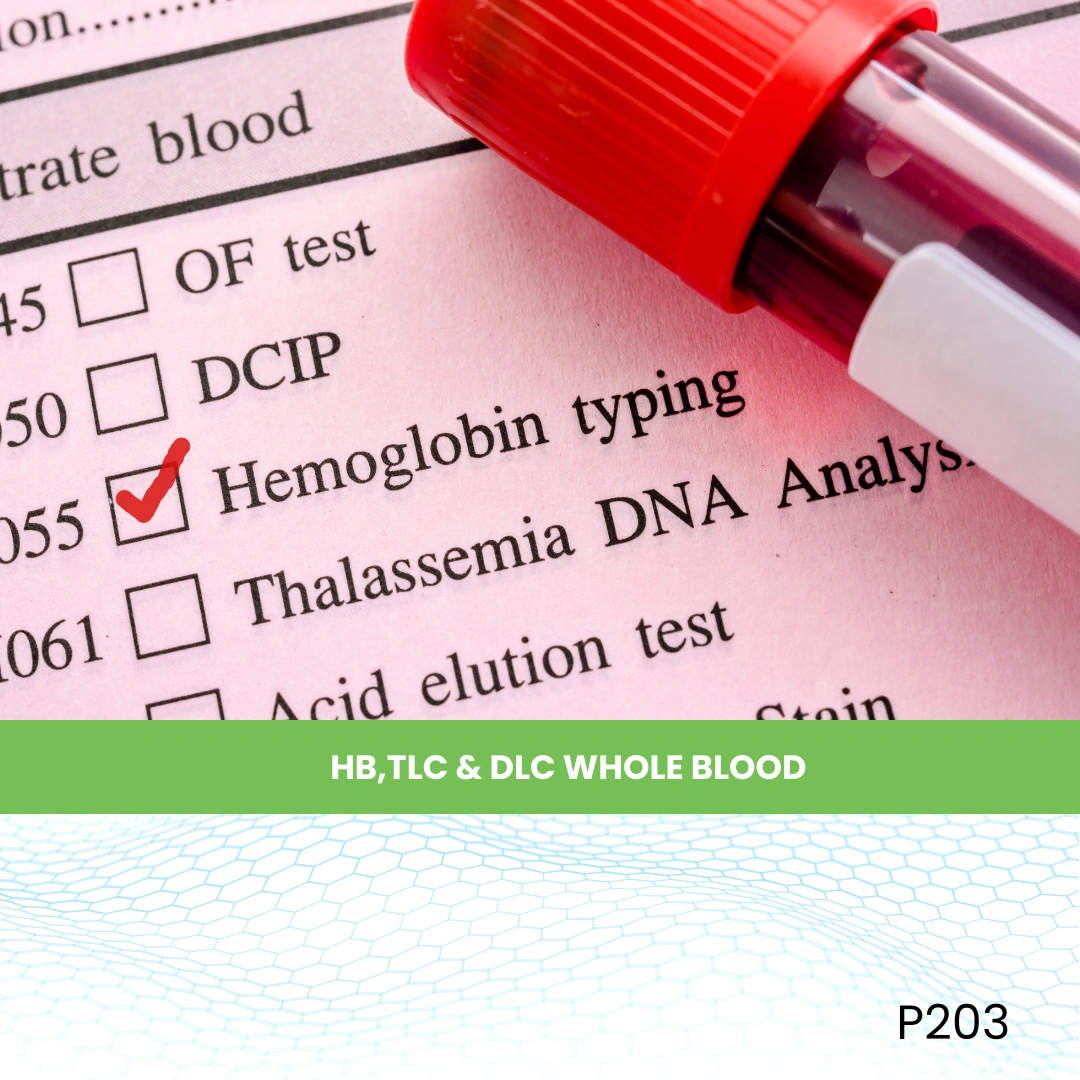
The Factor V Leiden Mutation test detects a specific genetic change (mutation) in the F5 gene that produces Factor V, a protein involved in normal blood clotting. This mutation makes Factor V resistant to inactivation by activated Protein C (APC), leading to an increased tendency for abnormal blood clot formation (thrombophilia). It is the most common inherited clotting disorder in Caucasian populations.
Uses
This test is used to determine whether a person carries one or two copies of the Factor V Leiden mutation. It is recommended in patients with unexplained venous thrombosis, recurrent miscarriages, a strong family history of blood clots, or abnormal clotting at a young age. It is also used to help guide treatment decisions in individuals at risk for venous thromboembolism (VTE).
Symptoms That May Lead to the Test
Doctors may recommend this test if you have experienced deep vein thrombosis (DVT), pulmonary embolism (PE), recurrent pregnancy loss, or clotting complications after surgery, trauma, or while taking oral contraceptives or hormone therapy.
Abnormal Results
Heterozygous Mutation (one copy): Increases the risk of abnormal clotting 5–7 times compared to the general population.
Homozygous Mutation (two copies): Significantly increases the risk of clotting (up to 50–80 times higher than normal).
No Mutation: Indicates normal Factor V function with no inherited risk from this mutation.
Risks
The test requires a standard blood sample or cheek swab for DNA analysis. Risks are minimal and may include mild discomfort or bruising at the blood draw site. Genetic counseling may be recommended for individuals who test positive, especially if there is a strong family history of clotting disorders.


Reviews
There are no reviews yet.