Fever Panel Card
What it is
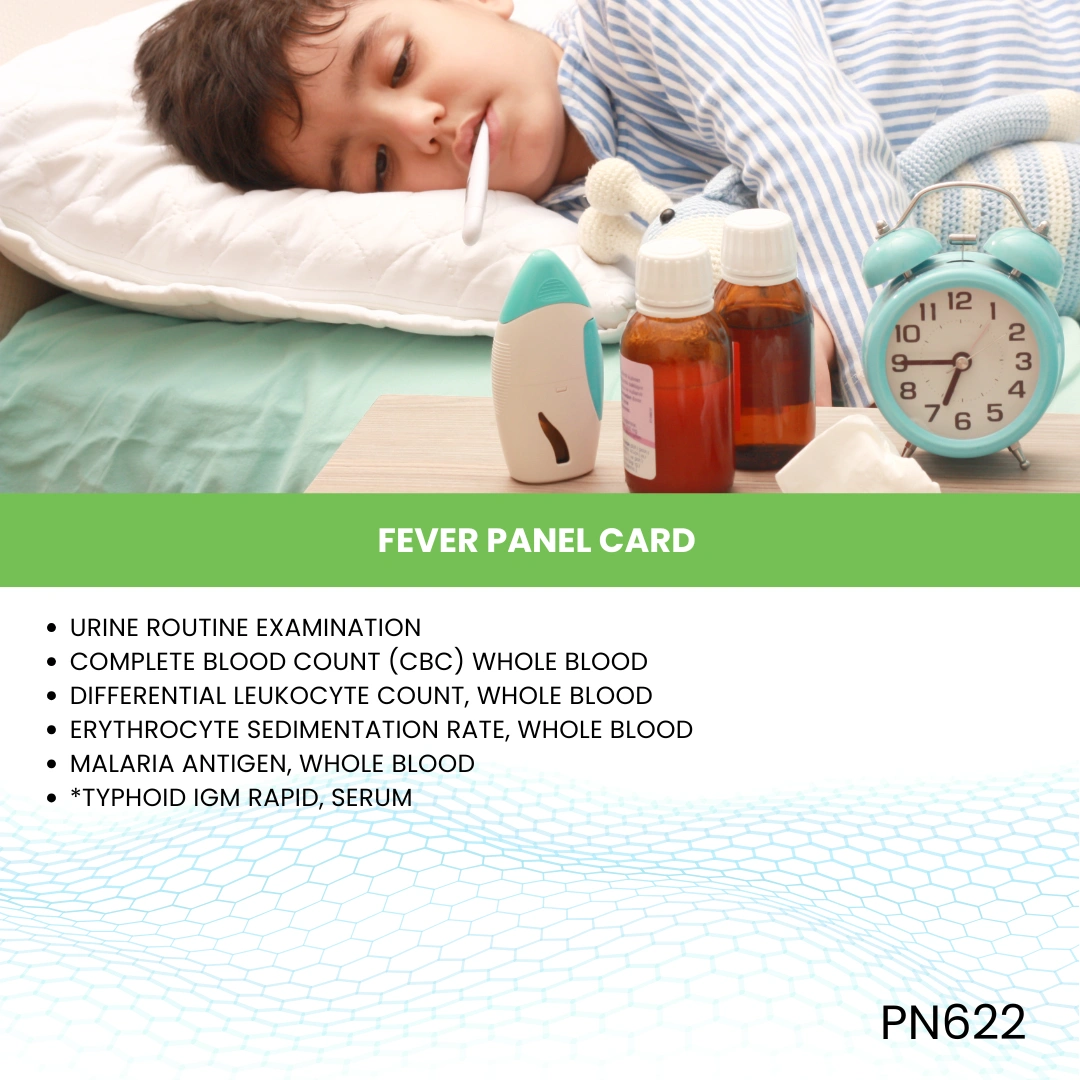
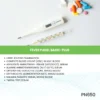
The Fever Panel Card is a rapid, point-of-care diagnostic test that uses an immunochromatographic card format to detect multiple fever-causing infections. It is designed to give quick, on-the-spot results and is especially useful in clinics and hospitals where timely diagnosis can make a critical difference in patient management.
Uses
This panel is commonly used in regions where several infectious diseases occur simultaneously. Depending on the manufacturer, the Fever Panel Card may include rapid screening for:
- Dengue (NS1/IgM/IgG): Detects early and late dengue infections.
- Malaria Antigen: Identifies Plasmodium falciparum and Plasmodium vivax infections.
- Typhoid IgM/IgG: Detects Salmonella typhi antibodies.
- Chikungunya IgM (in some kits): Screens for chikungunya viral infection.
It provides rapid results within minutes, making it an effective first-line screening tool for patients with acute febrile illness.
Symptoms That May Lead to the Test
This test is recommended for patients presenting with fever accompanied by chills, joint pain, rash, headache, nausea, abdominal discomfort, weakness, or body ache. It is especially useful when quick differentiation between dengue, malaria, typhoid, or chikungunya is required for early treatment.
Abnormal Results
Positive Result: Indicates the presence of infection-specific antigen or antibodies, confirming the suspected disease.
Negative Result: Suggests absence of those infections, but further tests may be required to confirm other causes of fever.
Since rapid cards may sometimes produce false positives or negatives, confirmatory lab-based tests are often recommended.
Risks
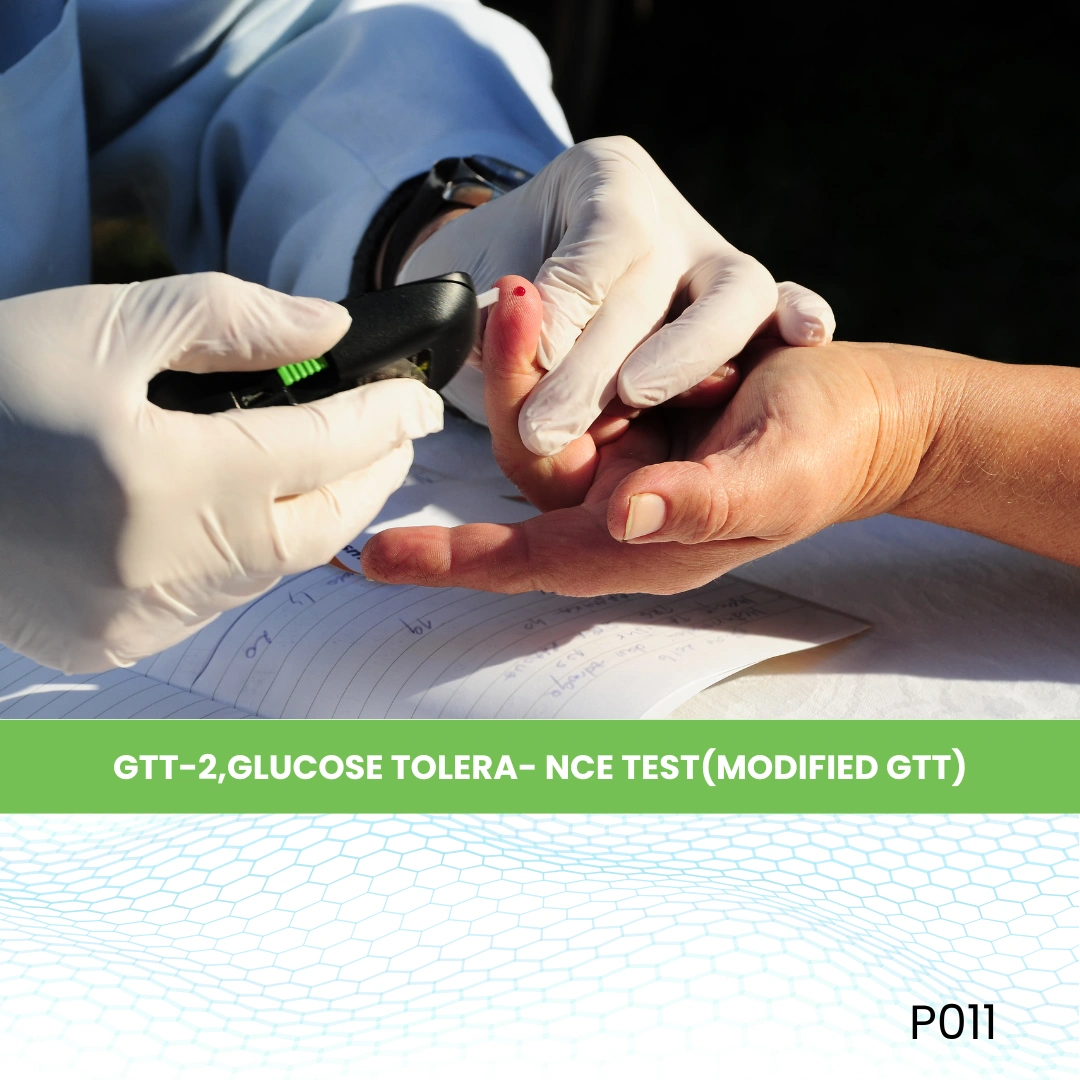
The test requires only a small blood sample (finger-prick or venous). Risks are minimal and limited to slight discomfort or bruising. The card-based format itself carries no risk to the patient.


Reviews
There are no reviews yet.