Fibrinogen Degradation Product (FDP)
What it is
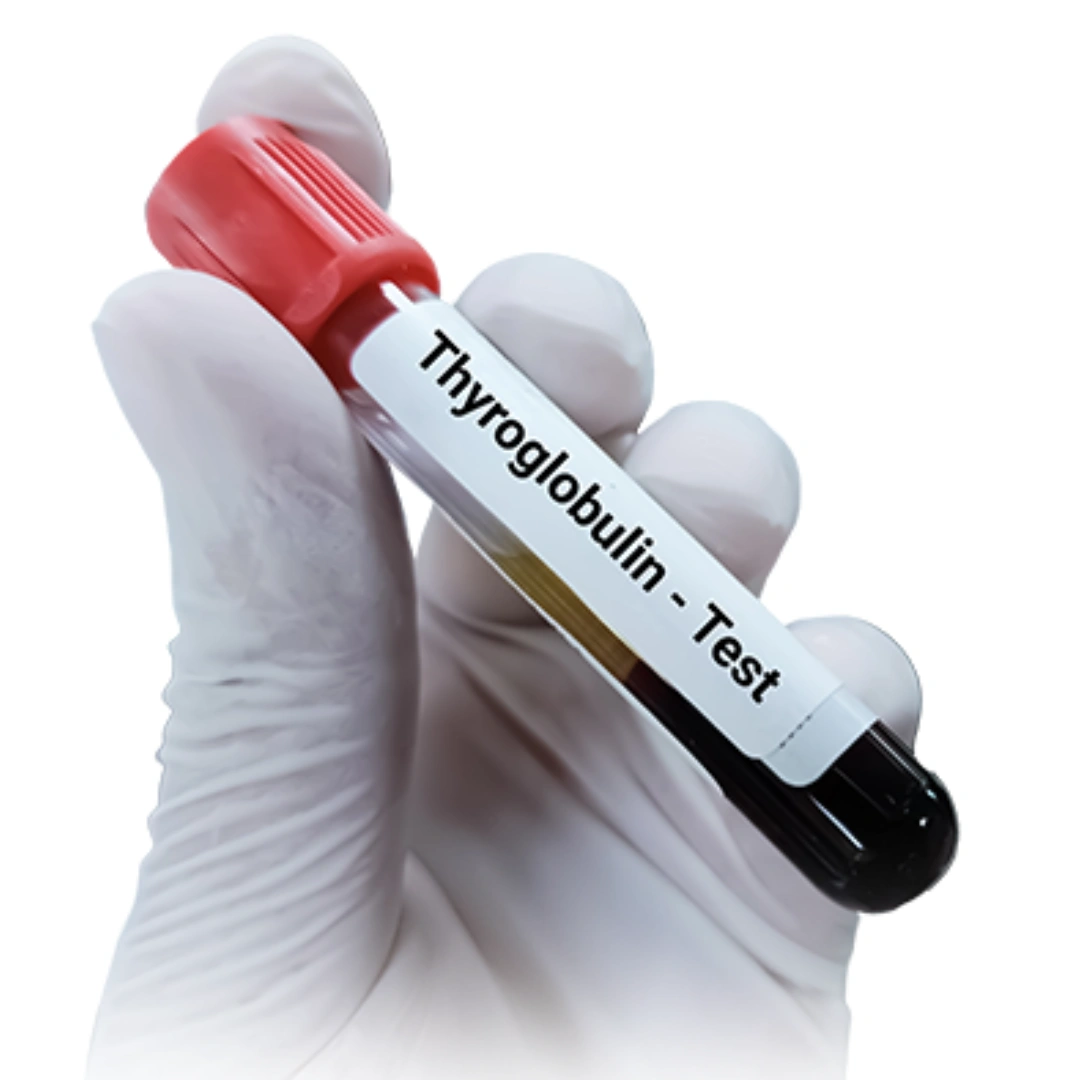
The Fibrinogen Degradation Product (FDP) test measures fragments produced when fibrinogen and fibrin are broken down in the blood. FDPs are released during the process of fibrinolysis, where blood clots are dissolved. Elevated levels indicate excessive clot formation and breakdown, making FDP an important marker for clotting disorders.
Uses
This test is commonly used to evaluate abnormal bleeding and clotting conditions. It helps doctors:
- Detect disseminated intravascular coagulation (DIC), a serious clotting disorder.
- Monitor patients with deep vein thrombosis (DVT), pulmonary embolism (PE), or other thrombotic events.
- Assess abnormal bleeding conditions after surgery or trauma.
- Differentiate between clotting-related and non-clotting related causes of bleeding.
Symptoms That May Lead to the Test
The FDP test may be recommended if you have unexplained or excessive bleeding, blood clots, easy bruising, prolonged bleeding after surgery, shortness of breath (suggestive of pulmonary embolism), chest pain, leg swelling (possible DVT), or symptoms suggestive of DIC such as widespread bruising and low blood pressure.
Abnormal Results
High FDP Levels: Indicate increased clot breakdown, often seen in conditions such as DIC, thrombosis (DVT/PE), severe liver disease, trauma, or after major surgery. Persistently high levels may also suggest ongoing clotting abnormalities.
Normal / Low FDP Levels: Suggest absence of significant clot breakdown or a stable coagulation system.
Risks
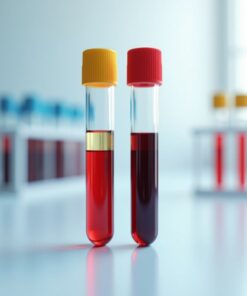
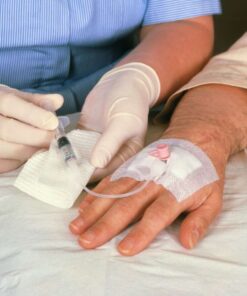
The FDP test requires a standard blood sample. Risks are minimal and may include slight discomfort, bruising, or dizziness at the puncture site, which are temporary and uncommon.


Reviews
There are no reviews yet.