FISH for BCR-ABL
What it is
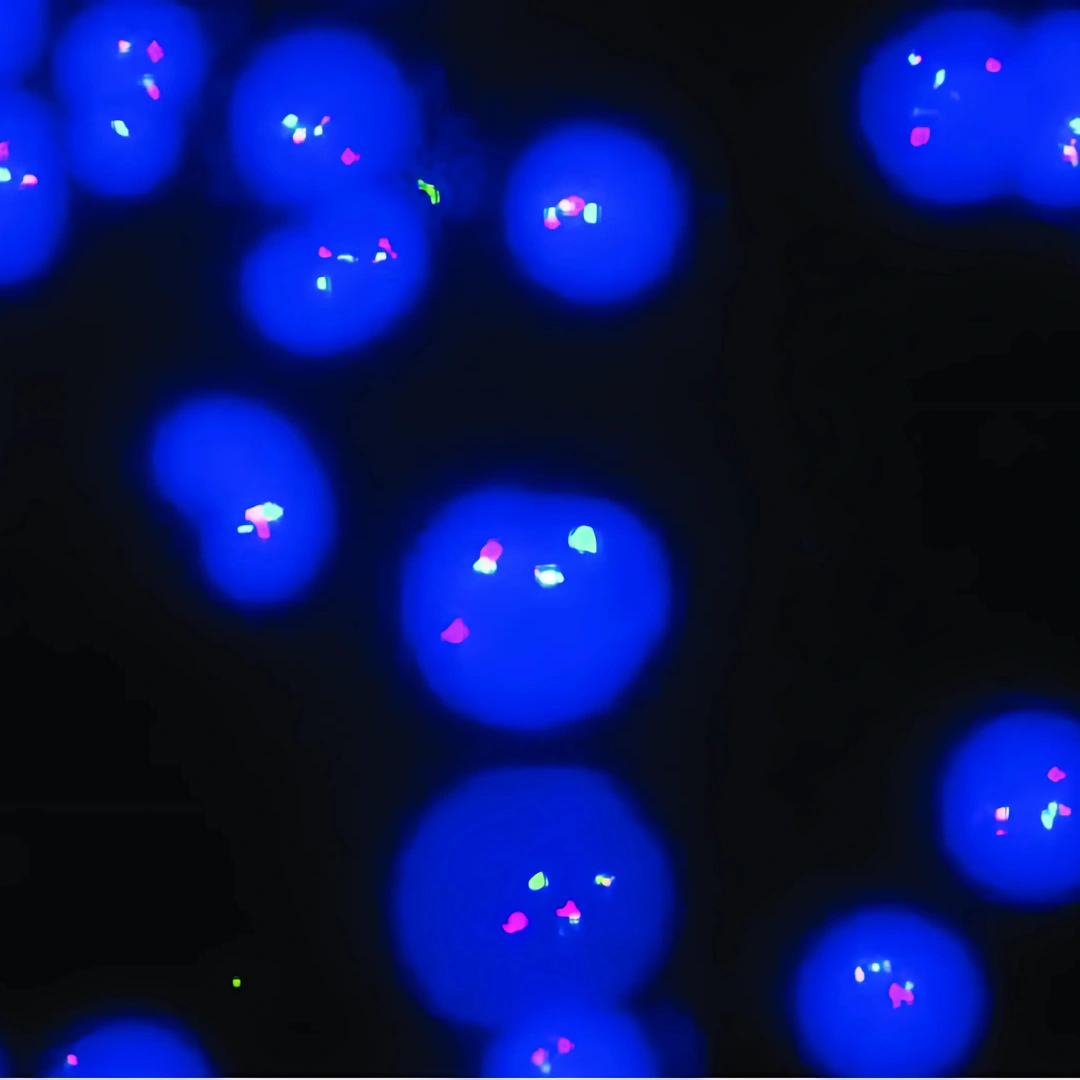
The FISH (Fluorescence In Situ Hybridization) for BCR-ABL test is a specialized genetic test that detects the presence of the BCR-ABL fusion gene, which results from a translocation between chromosomes 9 and 22. This abnormality is known as the Philadelphia chromosome and is a hallmark of chronic myeloid leukemia (CML) and some cases of acute lymphoblastic leukemia (ALL). The FISH technique uses fluorescent probes to visualize and confirm the genetic rearrangement within blood or bone marrow cells.
Uses
This test is critical in the diagnosis and management of certain blood cancers. It is used to:
- Diagnose chronic myeloid leukemia (CML) and Philadelphia chromosome–positive ALL.
- Monitor treatment response in patients receiving tyrosine kinase inhibitors (e.g., imatinib, dasatinib).
- Detect minimal residual disease or relapse in previously treated patients.
- Differentiate between types of leukemia for treatment planning.
Symptoms That May Lead to the Test
Doctors may recommend this test if you present with symptoms such as fatigue, night sweats, unexplained weight loss, frequent infections, anemia, splenomegaly (enlarged spleen), or high white blood cell counts detected in routine blood tests.
Abnormal Results
Positive for BCR-ABL Fusion: Confirms the presence of the Philadelphia chromosome, strongly indicating CML or Ph+ ALL. This result guides therapy with targeted tyrosine kinase inhibitors.
Negative for BCR-ABL Fusion: Suggests the absence of the Philadelphia chromosome, ruling out CML and Ph+ ALL, but further testing may be needed to determine other genetic abnormalities.
Risks
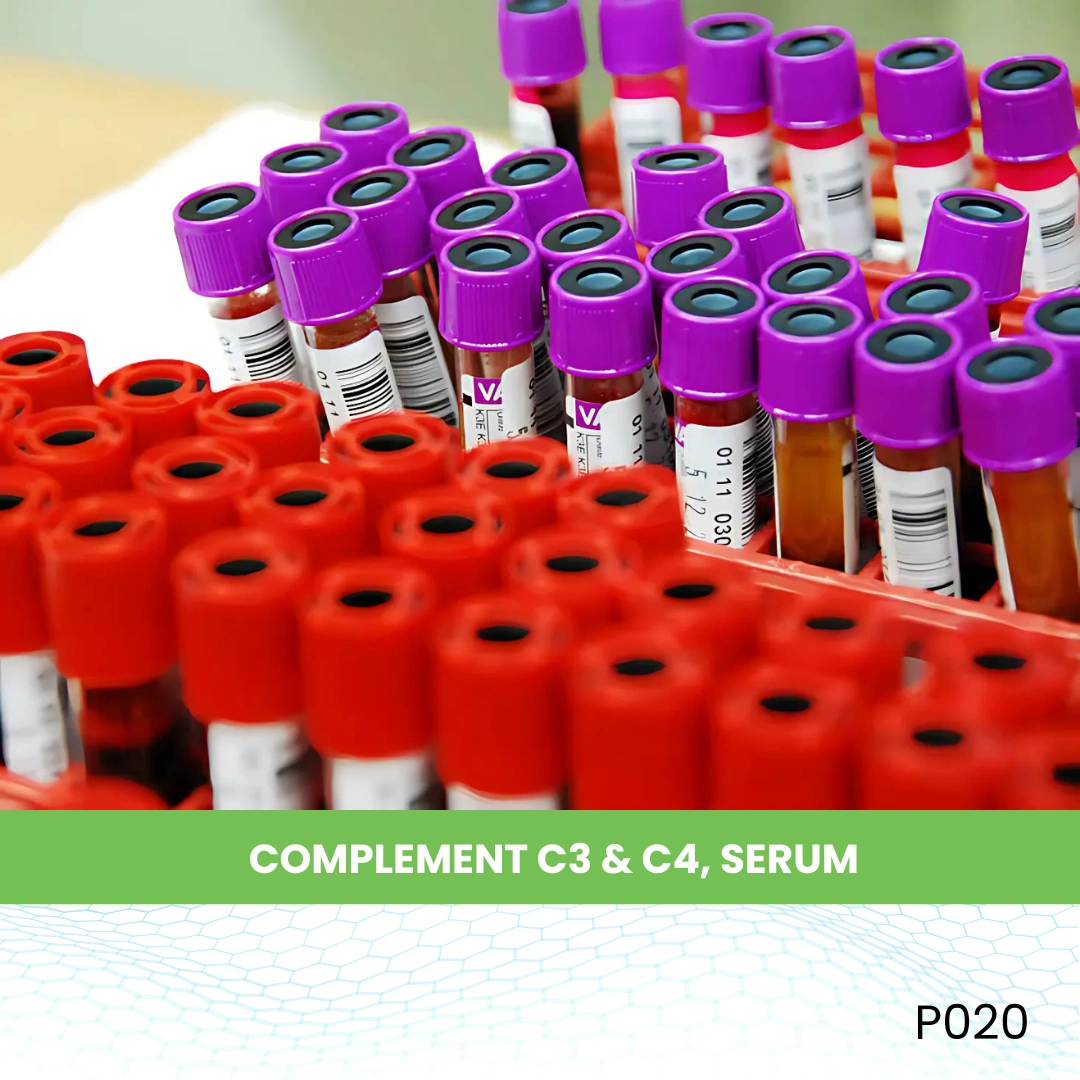
The test requires a blood or bone marrow sample. Risks are minimal for blood draws, including slight pain, bruising, or dizziness. Bone marrow sampling may carry slightly higher risks such as soreness or bleeding at the site, but these are uncommon and temporary.


Reviews
There are no reviews yet.