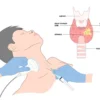
FNAC (Fine Needle Aspiration Cytopathology)
What it is
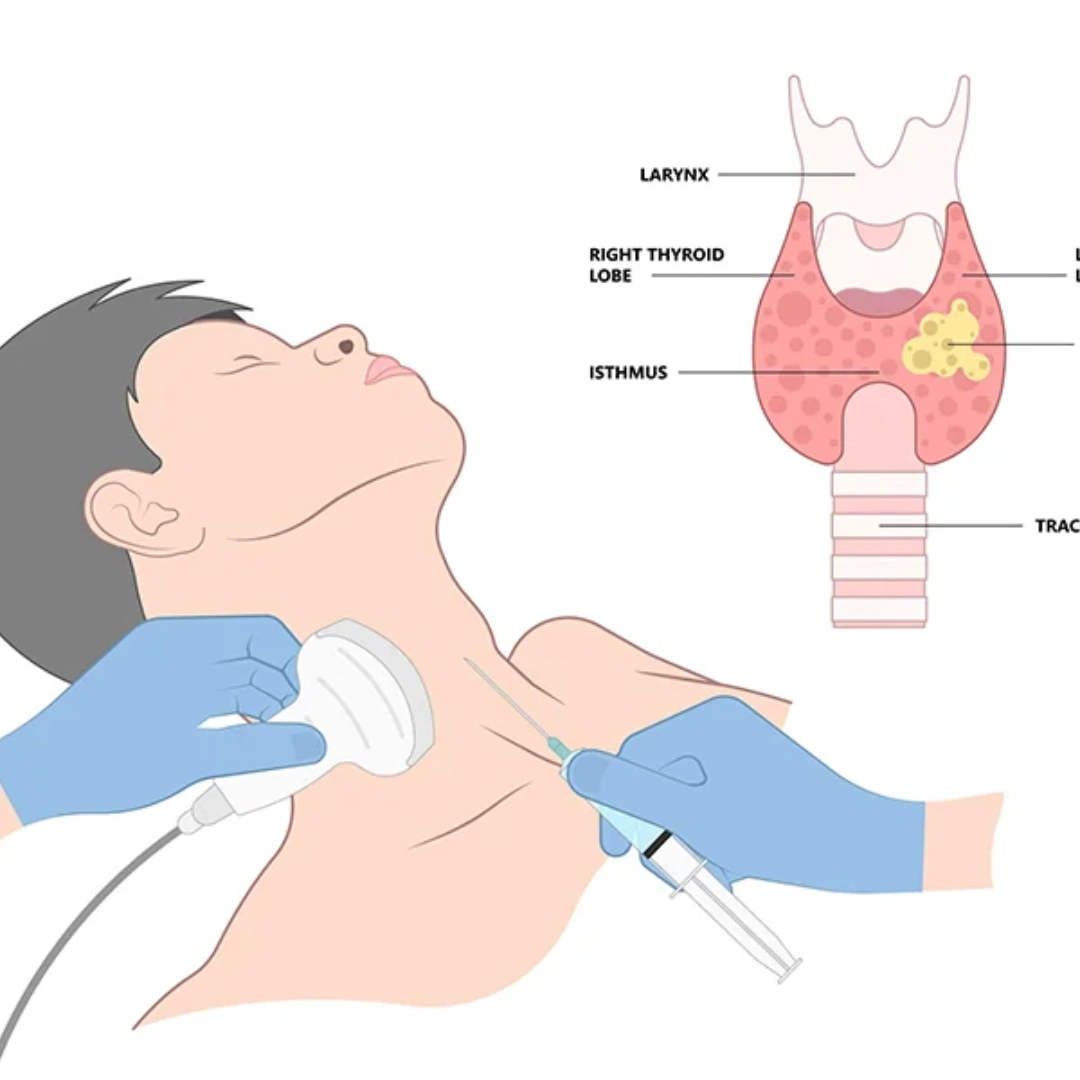
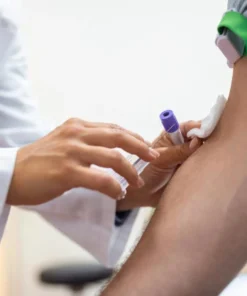
The FNAC (Fine Needle Aspiration Cytopathology) test is a minimally invasive diagnostic procedure in which a thin, hollow needle is used to extract cells or fluid from a lump, swelling, or organ. The collected sample is then examined under a microscope by a pathologist to detect abnormalities such as infection, inflammation, or cancer. FNAC is widely used in the evaluation of superficial swellings (like thyroid, lymph nodes, or breast lumps) as well as deeper organs with the help of imaging guidance.
Uses
FNAC is used for:
- Diagnosing tumors or cysts (benign vs malignant).
- Evaluating lumps in the thyroid, breast, salivary gland, or lymph nodes.
- Investigating unexplained swellings or masses.
- Monitoring recurrence of cancers.
- Identifying infections, granulomas, or inflammatory conditions.
Symptoms That May Lead to the Test
A doctor may recommend FNAC if you have a lump, swelling, or nodule in the neck, breast, thyroid, salivary gland, lymph node, or other organs. Symptoms like persistent swelling, rapidly growing lumps, unexplained pain, or suspicion of malignancy often prompt this test.
Abnormal Results
Benign Lesions: Cysts, fibroadenomas, thyroid nodules, or inflammatory conditions.
Malignant Lesions: Suspicious or definitive cancer cells indicating carcinoma, lymphoma, or metastatic disease.
Inconclusive Findings: Sometimes the sample may not yield sufficient cells; in such cases, repeat FNAC or a biopsy may be required.
Risks
FNAC is a safe and quick procedure. Risks are minimal and may include mild pain, slight bleeding, or local bruising at the needle site. Serious complications are extremely rare.


Reviews
There are no reviews yet.