Folate, Serum
What it is
The Folate, Serum test measures the concentration of folate (vitamin B9) in the blood. Folate is a water-soluble B vitamin essential for DNA synthesis, cell division, and the production of red blood cells. Since folate is obtained primarily from diet (leafy greens, legumes, fortified cereals), low levels may indicate nutritional deficiency or absorption issues.
Uses
This test is commonly used to:
- Diagnose the cause of anemia, especially megaloblastic anemia.
- Evaluate nutritional status and folate deficiency.
- Monitor patients with malabsorption syndromes (e.g., celiac disease, Crohn’s disease).
- Check folate levels in pregnant women, since deficiency increases the risk of neural tube defects in babies.
- Monitor patients receiving medications that interfere with folate metabolism (e.g., methotrexate, phenytoin).
Symptoms That May Lead to the Test
Your doctor may recommend a serum folate test if you experience fatigue, weakness, pallor, irritability, shortness of breath, numbness or tingling in hands/feet, mouth sores, poor growth (in children), or if you are at risk for malnutrition or malabsorption.
Abnormal Results
Low Folate Levels: Suggest folate deficiency due to poor diet, alcoholism, malabsorption, or certain medications. It may lead to megaloblastic anemia and, during pregnancy, increase the risk of neural tube defects.
High Folate Levels: Usually from supplementation or fortified foods. Persistently high levels may mask vitamin B12 deficiency, which can cause neurological damage if untreated.
Risks
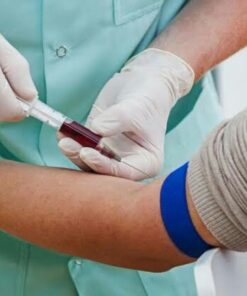
The test requires a simple blood draw. Risks are minimal, including slight pain, bruising, or dizziness at the puncture site. These are temporary and uncommon.


Reviews
There are no reviews yet.