Fungal Culture – Miscellaneous
What it is
The Fungal Culture – Miscellaneous test is a laboratory procedure used to detect and identify fungi present in clinical specimens from different body sites. The term “miscellaneous” refers to samples collected from sources other than the most common ones (such as blood or urine), which may include tissue biopsies, wound swabs, aspirates, respiratory secretions, or fluids from sterile body sites. The test helps diagnose fungal infections by allowing fungi to grow in a special medium under controlled conditions.
Uses
This test is performed to:
- Diagnose superficial and deep-seated fungal infections.
- Identify specific fungal species causing infection (e.g., Candida, Aspergillus, Cryptococcus, dermatophytes).
- Guide antifungal treatment selection by determining the causative organism.
- Monitor patients with recurrent or chronic fungal infections.
Symptoms That May Lead to the Test
Your doctor may order a fungal culture if you have unexplained symptoms such as persistent cough, chest pain, fever, skin lesions, chronic wounds, nail infections, swelling, or discharge that does not respond to antibiotics. It is also recommended for immunocompromised patients (HIV, transplant recipients, chemotherapy patients) who are at higher risk of systemic fungal infections.
Abnormal Results
Positive Culture: Indicates the presence of fungal growth. Further testing may be needed to identify the species and determine antifungal susceptibility.
Negative Culture: Suggests no fungal growth within the incubation period. However, some fungi grow slowly or may not be detectable without specialized tests.
Risks
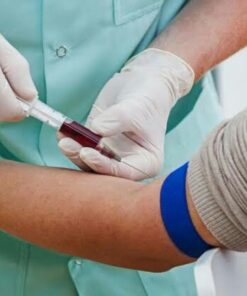
Risks depend on the sample collection method. Swab or sputum collection carries minimal risk. More invasive procedures such as tissue biopsy or fluid aspiration may involve slight pain, bleeding, or infection at the site, though serious complications are rare. The culture process itself poses no risk to the patient.


Reviews
There are no reviews yet.