GAD Antibody
What it is
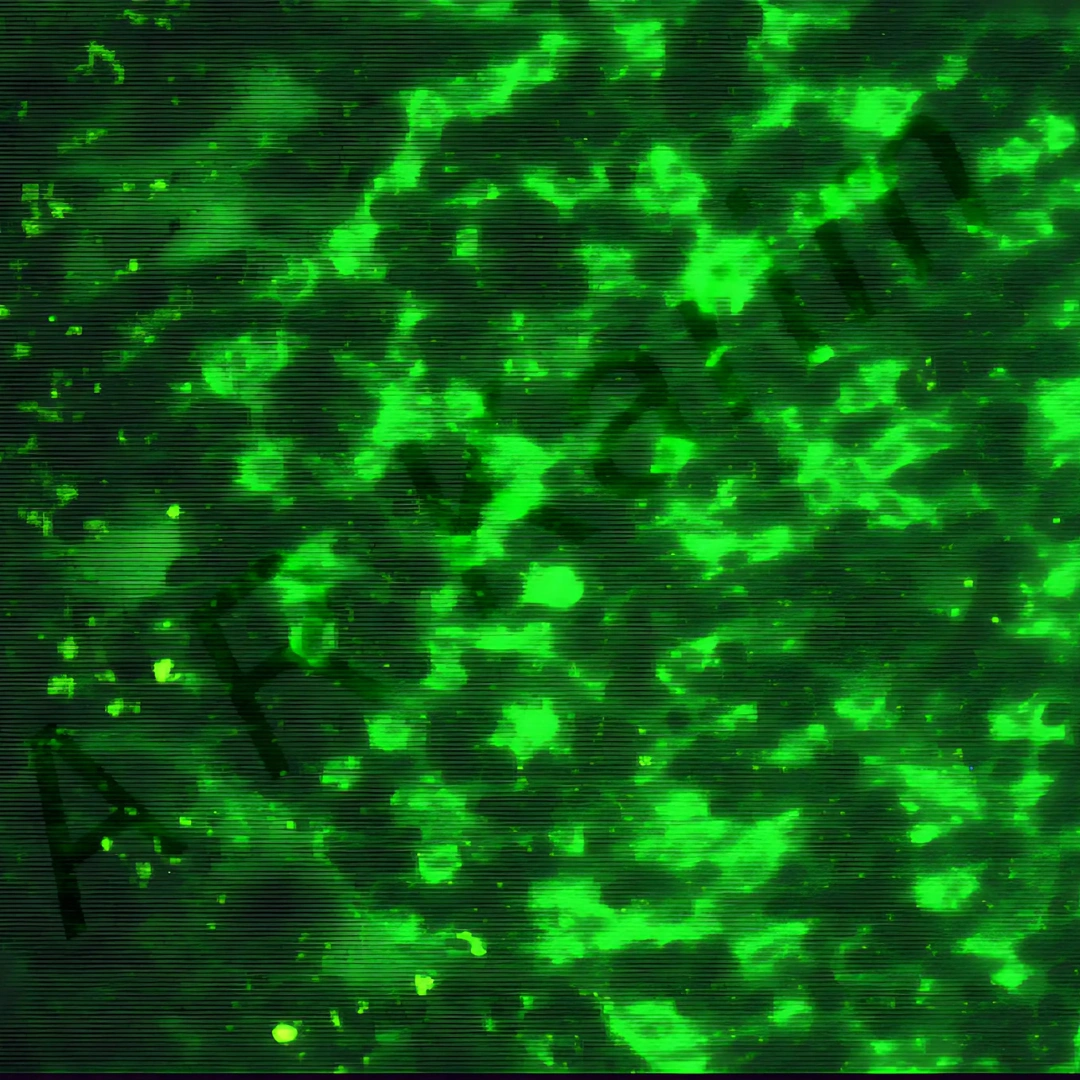
The GAD (Glutamic Acid Decarboxylase) Antibody test detects antibodies directed against the GAD enzyme, which is found in pancreatic beta cells and certain nerve tissues. The presence of GAD antibodies indicates an autoimmune reaction, where the body’s immune system mistakenly attacks insulin-producing cells in the pancreas. This test is primarily used in the evaluation of autoimmune diabetes and certain neurological disorders.
Uses
This test is used to:
- Help diagnose Type 1 Diabetes Mellitus (autoimmune diabetes), particularly in adults where it may present as LADA (Latent Autoimmune Diabetes in Adults).
- Differentiate between Type 1 and Type 2 diabetes in uncertain cases.
- Identify individuals at risk of developing Type 1 diabetes.
- Support diagnosis of some neurological conditions such as Stiff Person Syndrome (SPS) and certain forms of autoimmune encephalitis.
Symptoms That May Lead to the Test
A doctor may order a GAD antibody test if you have signs suggestive of autoimmune diabetes, such as frequent urination, unexplained weight loss, excessive thirst, fatigue, or if you develop diabetes at a young age or without typical risk factors. It may also be recommended in patients with unexplained neurological stiffness, spasms, or movement disorders.
Abnormal Results
Positive GAD Antibodies: Suggests autoimmune activity against pancreatic beta cells, supporting a diagnosis of Type 1 diabetes or LADA. High titers may also be seen in Stiff Person Syndrome and other autoimmune neurological disorders.
Negative GAD Antibodies: Makes autoimmune diabetes less likely, but does not completely rule out the disease. Other islet autoantibodies (IA-2, ZnT8, ICA) may still be present.
Risks
The test requires a simple blood sample. Risks are minimal and include mild discomfort, bruising, or dizziness at the puncture site, which typically resolve quickly.


Reviews
There are no reviews yet.