Galactosemia Classical (Transferase), Quantitative
What it is
The Galactosemia Classical (Transferase), Quantitative test measures the activity of the enzyme galactose-1-phosphate uridyltransferase (GALT) in red blood cells. This enzyme is critical for breaking down galactose, a sugar found in milk and dairy products. In classical galactosemia, a genetic disorder, GALT activity is severely reduced or absent, leading to the accumulation of toxic substances in the body.
Uses
This test is primarily used to:
- Diagnose classical galactosemia in newborns, infants, and children.
- Screen infants who show abnormal results on newborn screening panels.
- Confirm carrier status in family members of affected individuals.
- Guide dietary management (galactose-free diet) and monitor effectiveness of treatment.
Symptoms That May Lead to the Test
A doctor may recommend this test in newborns or infants who present with symptoms such as poor feeding, vomiting, diarrhea, jaundice, failure to thrive, enlarged liver, cataracts, or lethargy after milk ingestion. It may also be requested for siblings of children already diagnosed with galactosemia.
Abnormal Results
Low or Absent Enzyme Activity: Confirms classical galactosemia, requiring immediate dietary intervention to avoid life-threatening complications.
Partial Deficiency: May indicate Duarte variant galactosemia, which is generally milder and may not require strict dietary restrictions.
Normal Enzyme Activity: Rules out classical galactosemia.
Risks
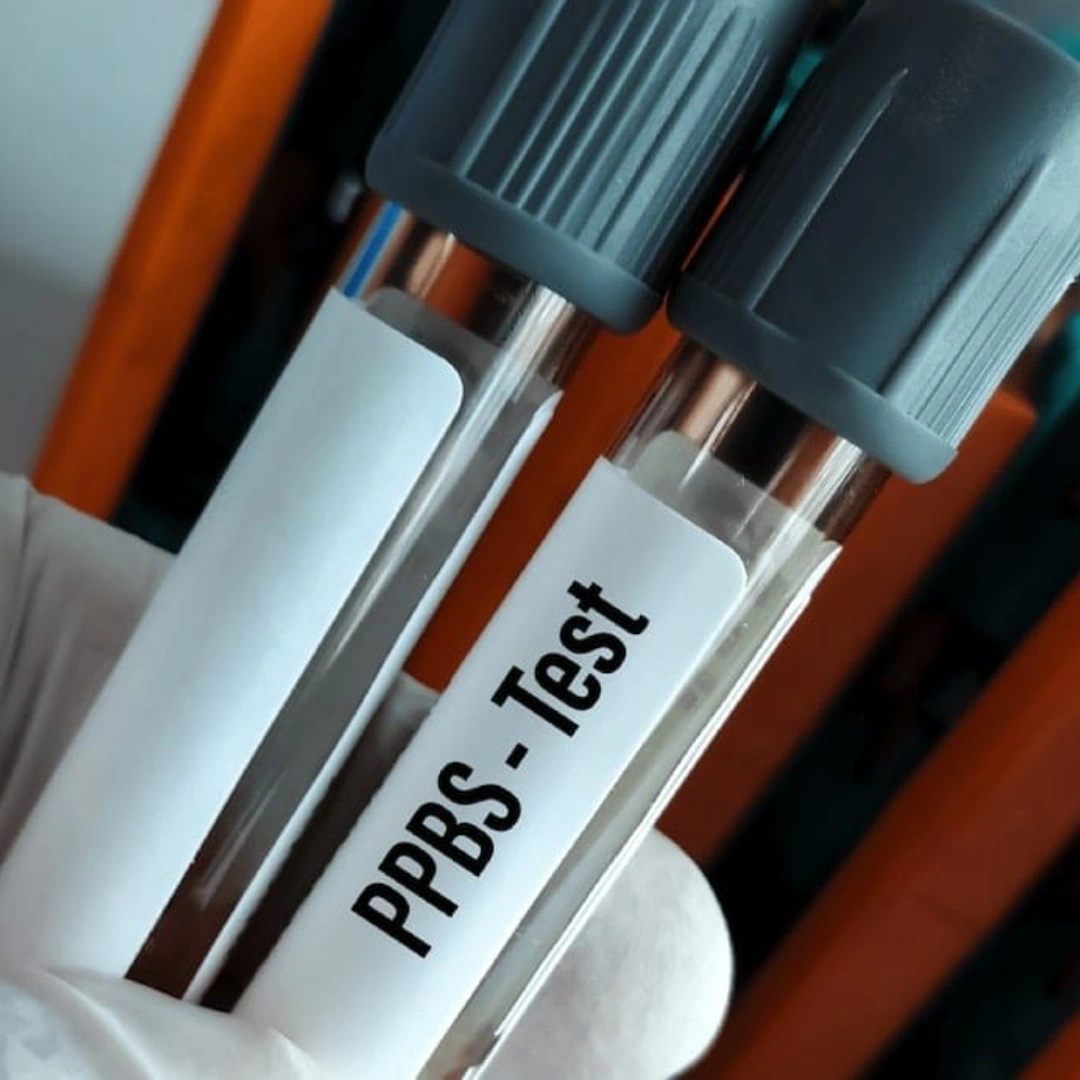
The test requires a blood sample. Risks are minimal and limited to mild pain, bruising, or dizziness at the site of venipuncture, which usually resolve quickly.


Reviews
There are no reviews yet.