Gastrin, Serum
What it is
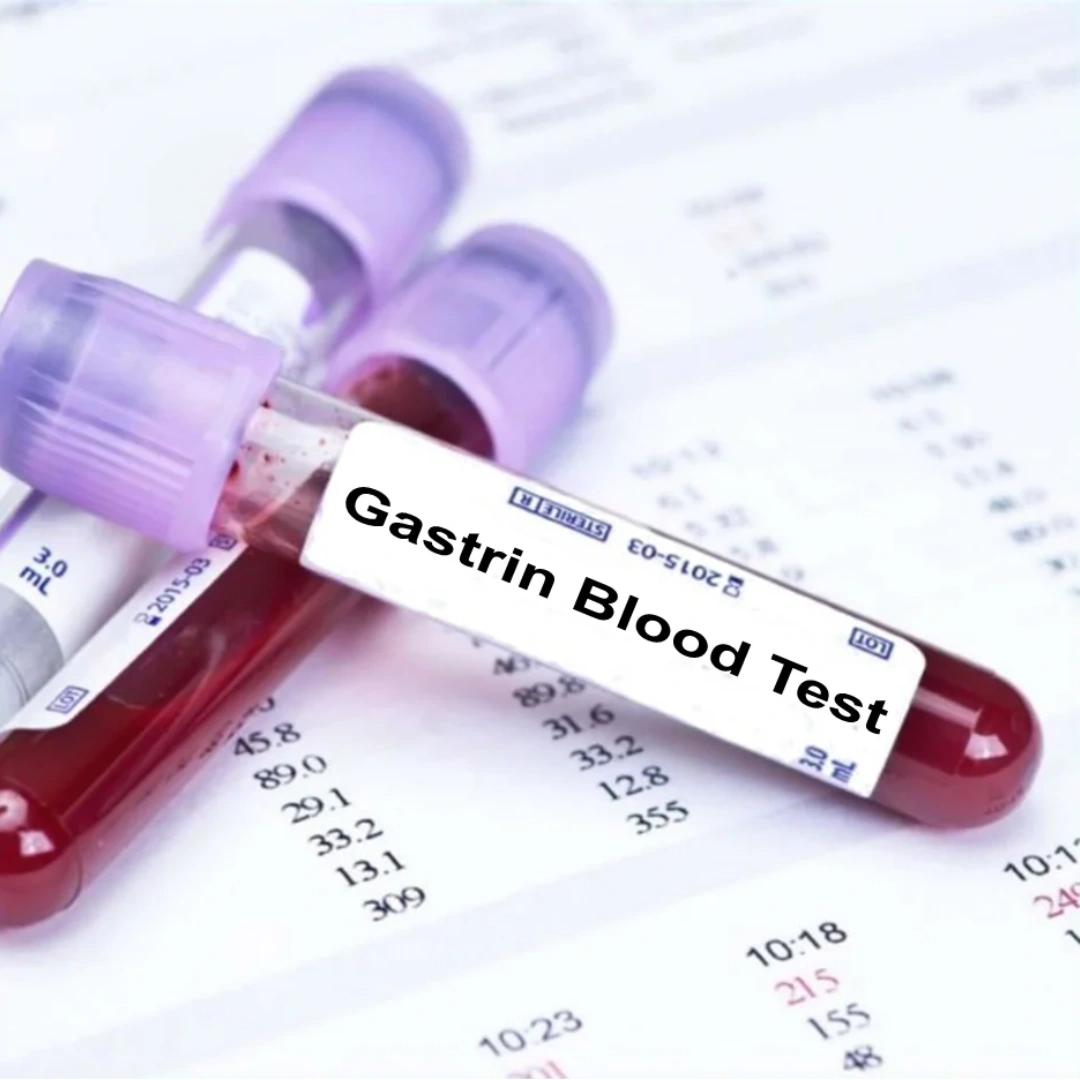
The Gastrin, Serum test measures the amount of gastrin, a hormone produced by the stomach lining that stimulates acid secretion and supports digestion. Gastrin levels naturally rise after eating, but persistently high levels may indicate gastrointestinal disorders such as Zollinger–Ellison syndrome, gastrinoma (gastrin-secreting tumor), chronic atrophic gastritis, or pernicious anemia.
Uses
This test is used to:
- Diagnose Zollinger–Ellison syndrome and gastrinoma.
- Evaluate causes of recurrent peptic ulcers or excessive stomach acid production.
- Support the diagnosis of chronic atrophic gastritis or pernicious anemia.
- Monitor patients after surgical removal of gastrinomas.
Symptoms That May Lead to the Test
Your doctor may recommend a gastrin test if you experience symptoms such as abdominal pain, chronic or recurrent ulcers, diarrhea, heartburn, indigestion, nausea, weight loss, or gastrointestinal bleeding. It may also be ordered if you have vitamin B12 deficiency linked to pernicious anemia.
Abnormal Results
High Gastrin Levels: May indicate gastrinoma (Zollinger–Ellison syndrome), pernicious anemia, chronic gastritis, or prolonged use of proton pump inhibitors (PPIs).
Low/Normal Gastrin Levels: Typically within expected range, suggesting normal stomach hormone regulation.
Interpretation often requires correlation with gastric acid secretion tests and imaging studies.
Risks
The test involves a standard blood draw. Risks are minimal and may include mild pain, bruising, or dizziness at the puncture site. These are temporary and uncommon. Fasting is usually required before the test for accurate results.


Reviews
There are no reviews yet.