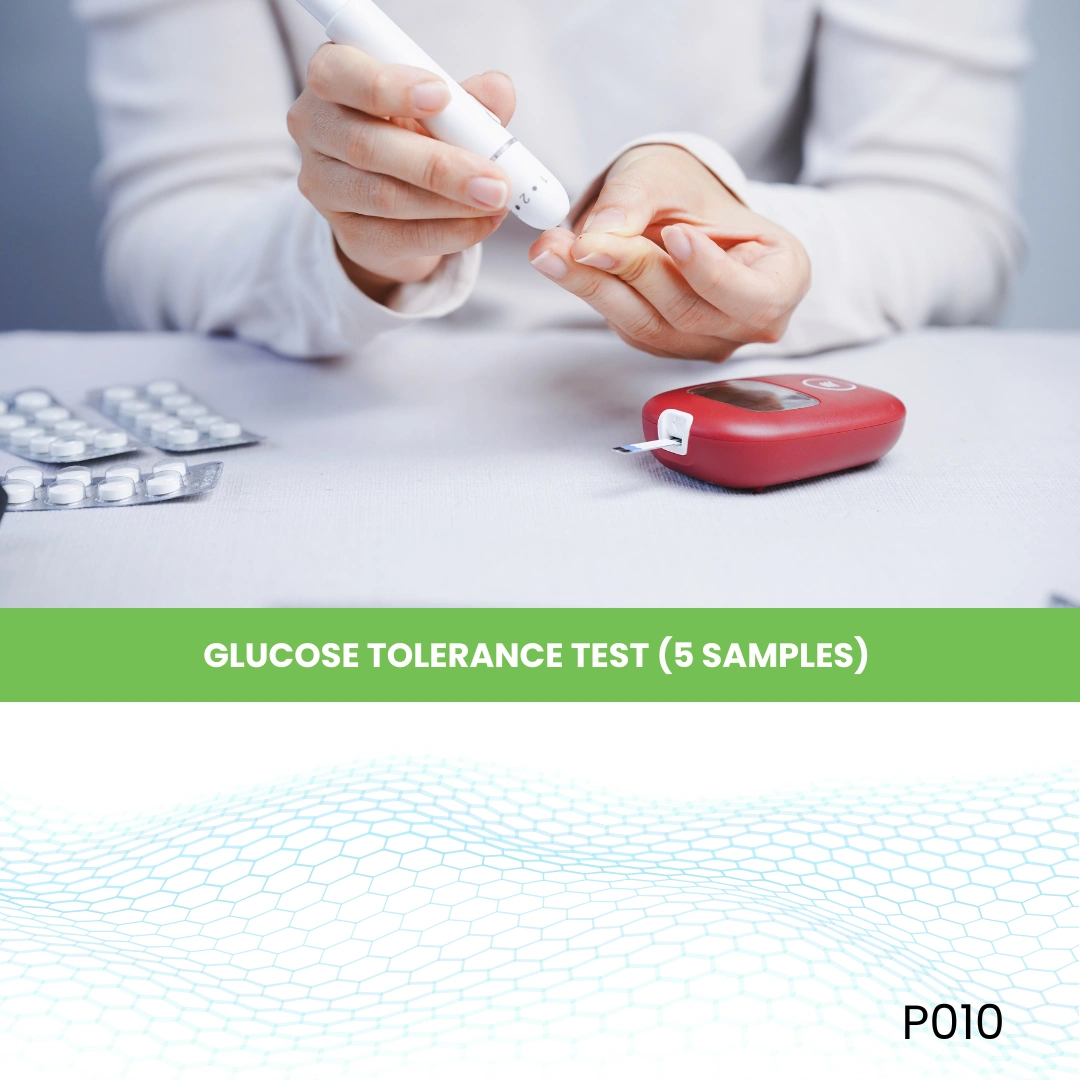
Glucose Tolerance Test (5 Samples)
What it is
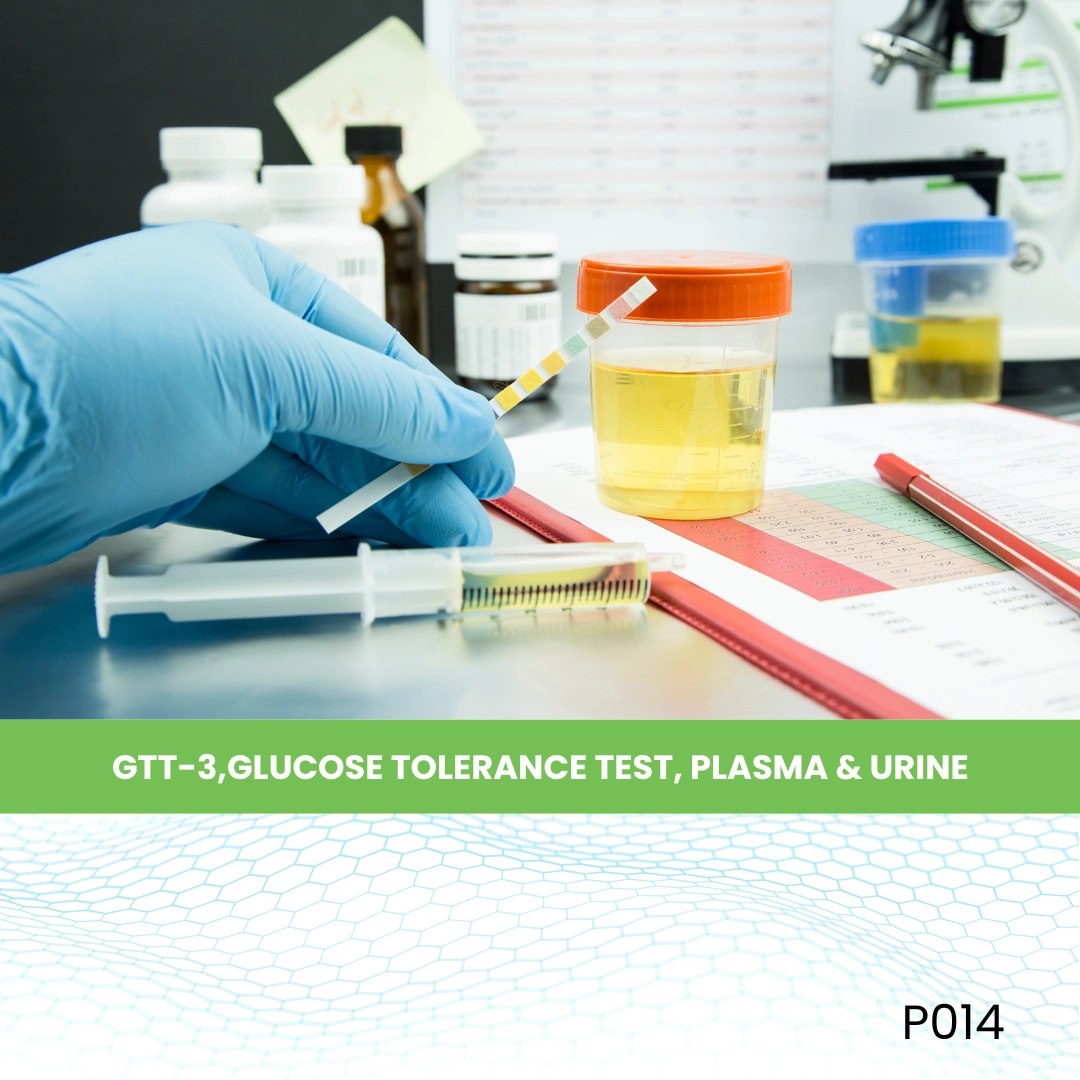
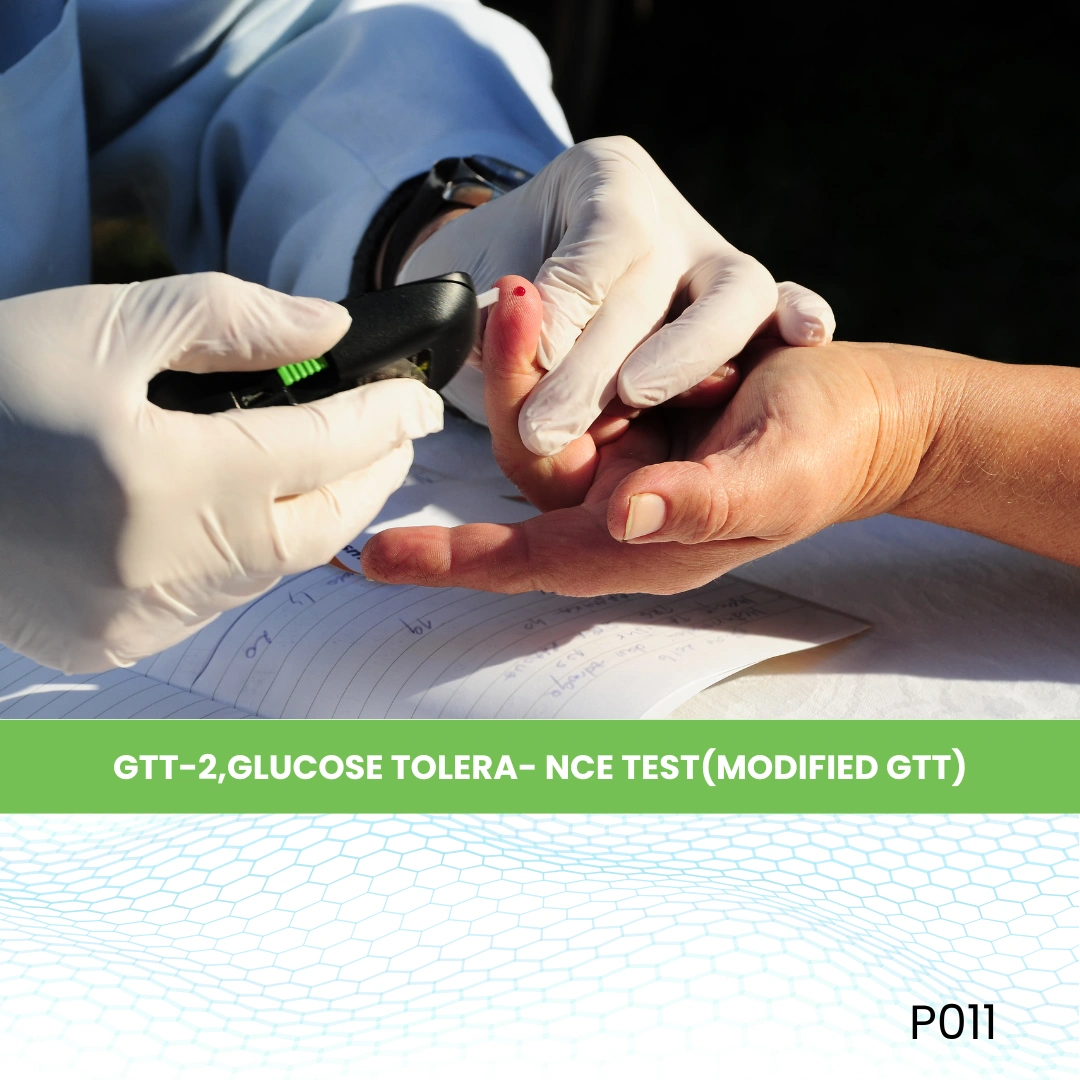
The Glucose Tolerance Test (GTT), 5 Samples, is a diagnostic test that measures the body’s ability to process glucose over time. After an overnight fast, a baseline fasting blood sample is taken, followed by consumption of a 75 g or 100 g glucose solution. Additional blood samples are collected at intervals (commonly fasting, 30 minutes, 1 hour, 2 hours, and 3 hours) to monitor glucose levels. This extended 5-sample test provides a detailed assessment of glucose metabolism and insulin response.
Uses
This test is used to:
- Diagnose diabetes mellitus and prediabetes.
- Identify impaired glucose tolerance (IGT).
- Screen for gestational diabetes during pregnancy.
- Investigate unexplained hypoglycemia or reactive hypoglycemia.
- Monitor patients at high risk of metabolic disorders.
Symptoms That May Lead to the Test
Doctors may recommend this test if you have classic symptoms of diabetes such as frequent urination, excessive thirst, unexplained weight loss, or fatigue. It may also be ordered during pregnancy (usually at 24–28 weeks) to screen for gestational diabetes, or in individuals with borderline fasting glucose or a family history of diabetes.
Abnormal Results
Normal Response: Glucose levels rise after intake and return to baseline within 2–3 hours.
Prediabetes (Impaired Glucose Tolerance): 2-hour glucose level between 140–199 mg/dL.
Diabetes Mellitus: 2-hour glucose level ≥200 mg/dL, or persistently elevated readings at multiple time points.
Hypoglycemia: Abnormally low glucose levels at later time points may indicate reactive hypoglycemia or insulin-related issues.
Risks
The test requires multiple blood draws over several hours. Risks are minimal but may include mild discomfort, bruising, or dizziness from repeated needle use. Drinking the glucose solution may cause temporary nausea, bloating, or headache in some individuals.


Reviews
There are no reviews yet.