Glutamic Acid Decarboxylase (GAD) Antibody, Serum
What it is
The Glutamic Acid Decarboxylase (GAD) Antibody, Serum test measures autoantibodies directed against the GAD enzyme, which is involved in the production of gamma-aminobutyric acid (GABA), a key neurotransmitter. GAD antibodies are a marker of autoimmune activity and are strongly associated with type 1 diabetes mellitus and certain neurological autoimmune disorders.
Uses
This test is used to:
- Diagnose type 1 diabetes mellitus, especially in adults where the onset may be atypical (Latent Autoimmune Diabetes in Adults – LADA).
- Differentiate between type 1 and type 2 diabetes when clinical features overlap.
- Support the diagnosis of autoimmune neurological disorders such as stiff-person syndrome, cerebellar ataxia, or autoimmune epilepsy.
- Assist in screening high-risk individuals with a family history of autoimmune diabetes.
Symptoms That May Lead to the Test
Doctors may order this test if you have signs of diabetes (excessive thirst, frequent urination, unexplained weight loss, or fatigue) but the type of diabetes is unclear. It may also be ordered if you have unexplained neurological symptoms such as muscle stiffness, spasms, imbalance, or seizures suggestive of autoimmune neurological disease.
Abnormal Results
Positive GAD Antibodies: Indicates an autoimmune process, most commonly type 1 diabetes mellitus or LADA. It may also be present in autoimmune neurological conditions such as stiff-person syndrome. A positive result often suggests progressive beta-cell destruction in the pancreas.
Negative GAD Antibodies: Suggests the absence of GAD-related autoimmune activity. However, other autoantibodies (e.g., IA-2, ZnT8, or insulin autoantibodies) may still be present in type 1 diabetes, so additional testing may be necessary.
Risks
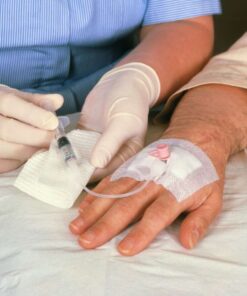
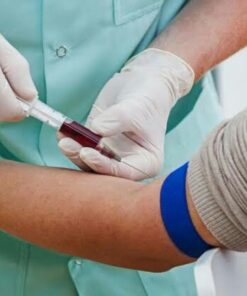
The test involves a routine blood draw. Risks are minimal and may include mild pain, bruising, or dizziness at the puncture site. These side effects are temporary and resolve quickly.


Reviews
There are no reviews yet.