Glycophorin A (Erythroid)
What it is
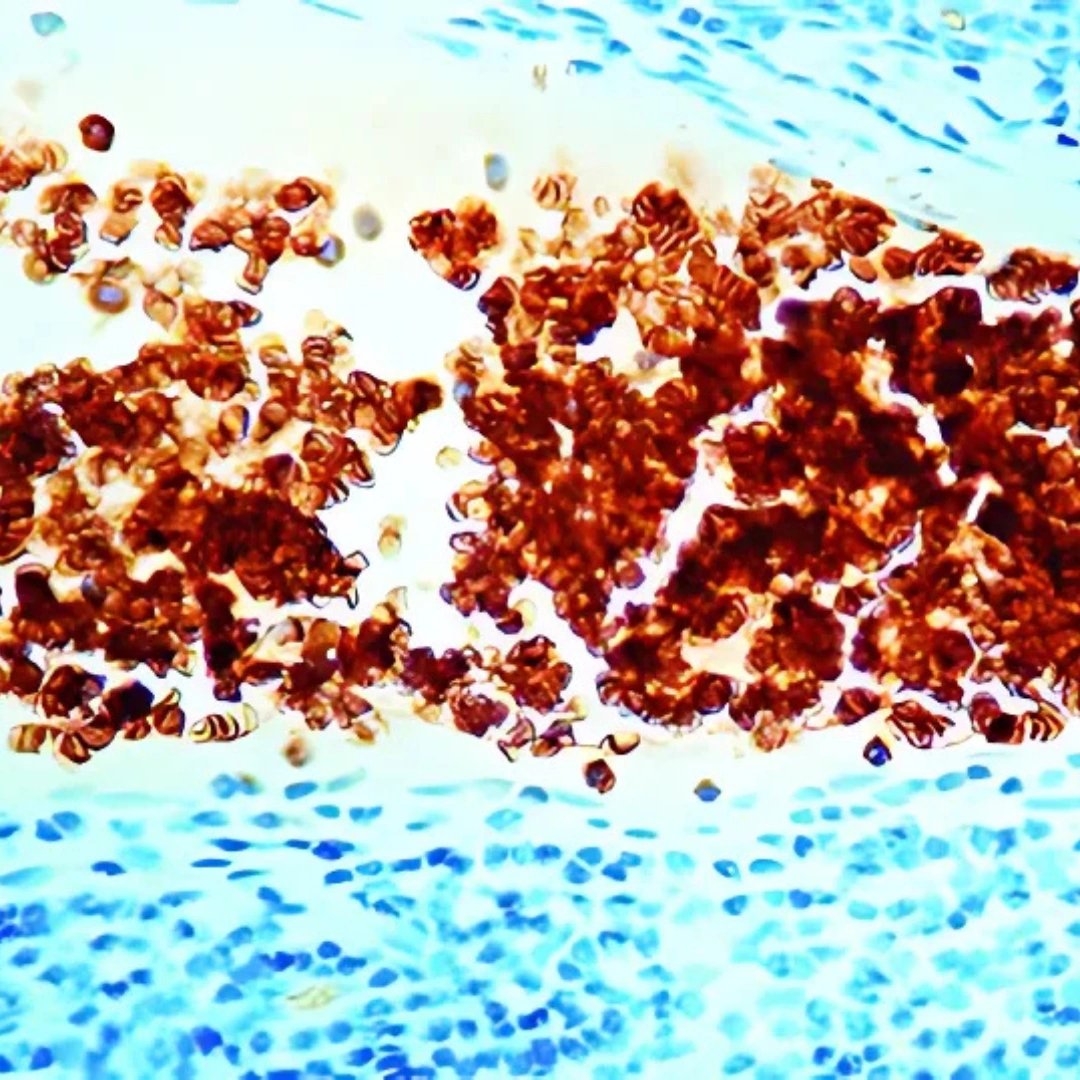
The Glycophorin A (Erythroid) test is an immunohistochemistry (IHC) or flow cytometry-based marker used to identify erythroid lineage cells. Glycophorin A is a membrane glycoprotein found on the surface of red blood cells and their precursors in the bone marrow. It plays a role in blood group antigen expression and serves as a specific marker for erythroid differentiation in diagnostic hematopathology.
Uses
This test is typically used in:
- Confirming erythroid lineage in bone marrow or tissue biopsies.
- Diagnosing erythroid leukemias (e.g., pure erythroid leukemia).
- Differentiating erythroid cells from other hematopoietic lineages in hematologic malignancies.
- Supporting evaluation of bone marrow disorders such as myelodysplastic syndromes.
- Research and laboratory studies of red blood cell development.
Symptoms That May Lead to the Test
Your doctor may request this test if there are signs of hematological disorders such as unexplained anemia, abnormal blood counts, bone marrow failure, or suspected erythroleukemia. It may also be performed during bone marrow biopsy evaluations in patients with suspected blood cancers.
Abnormal Results
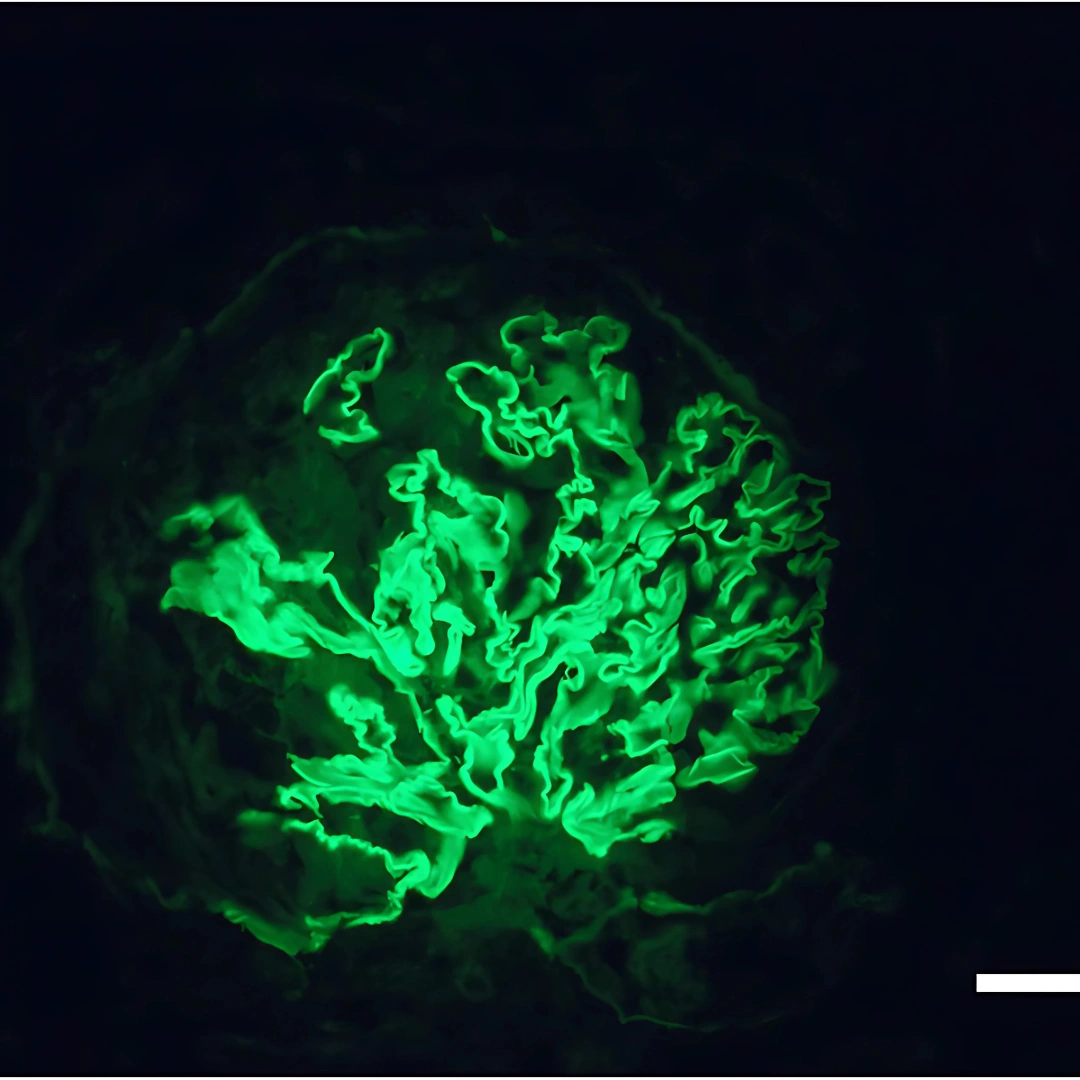
Positive Glycophorin A Staining: Confirms erythroid lineage, helping identify abnormal proliferation of erythroid precursors, as seen in pure erythroid leukemia or erythroid-rich myelodysplasia.
Negative Glycophorin A Staining: Suggests absence of erythroid differentiation. This helps rule out erythroid origin and redirect diagnosis to other hematopoietic lineages.
Risks
The test itself is performed on a biopsy or bone marrow sample already collected. Risks are limited to the biopsy procedure, which may include mild pain, bleeding, or infection at the sampling site. The laboratory staining and analysis carry no direct risk to the patient.


Reviews
There are no reviews yet.