Growth Hormone (GH), Serum
What it is
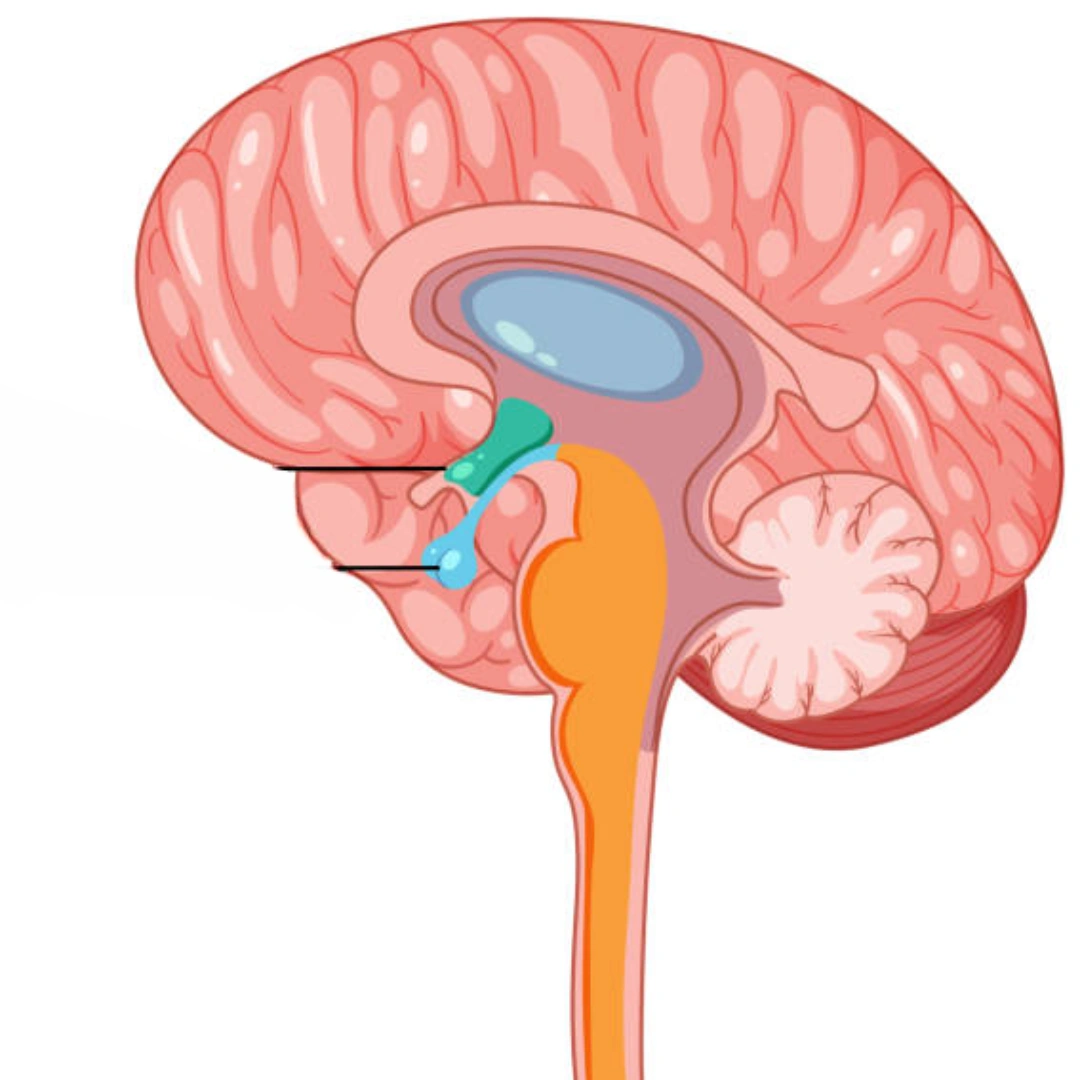
The Growth Hormone (GH), Serum test measures the level of growth hormone in the blood. GH is secreted by the pituitary gland and plays a critical role in stimulating growth, cell repair, metabolism, and muscle and bone development. Since GH is secreted in pulses and fluctuates throughout the day, a single measurement is often used in conjunction with stimulation or suppression tests for accurate assessment.
Uses
This test is used to:
- Diagnose growth hormone deficiency in children with short stature or delayed growth.
- Evaluate suspected growth hormone excess (acromegaly or gigantism).
- Monitor patients undergoing GH therapy for deficiency or replacement.
- Assess pituitary gland function in suspected endocrine disorders.
Symptoms That May Lead to the Test
Doctors may recommend this test if:
- Children have unexplained short stature, delayed puberty, or poor growth velocity.
- Adults present with symptoms of GH deficiency such as low muscle mass, fatigue, or abnormal fat distribution.
- There are signs of GH excess like enlarged hands, feet, or facial bones (acromegaly) or abnormal tall stature in children (gigantism).
Abnormal Results
Low GH Levels: May indicate growth hormone deficiency due to pituitary gland dysfunction, genetic disorders, or acquired conditions.
High GH Levels: Suggests growth hormone excess, commonly caused by pituitary adenomas leading to acromegaly or gigantism.
Since GH fluctuates naturally, interpretation often requires dynamic tests such as the glucose suppression test (for excess) or GH stimulation test (for deficiency), alongside IGF-1 measurement for confirmation.
Risks
The test involves a standard blood draw. Risks are minimal and may include slight pain, bruising, or dizziness at the puncture site. These are temporary and resolve quickly.


Reviews
There are no reviews yet.