Haemogram
What it is
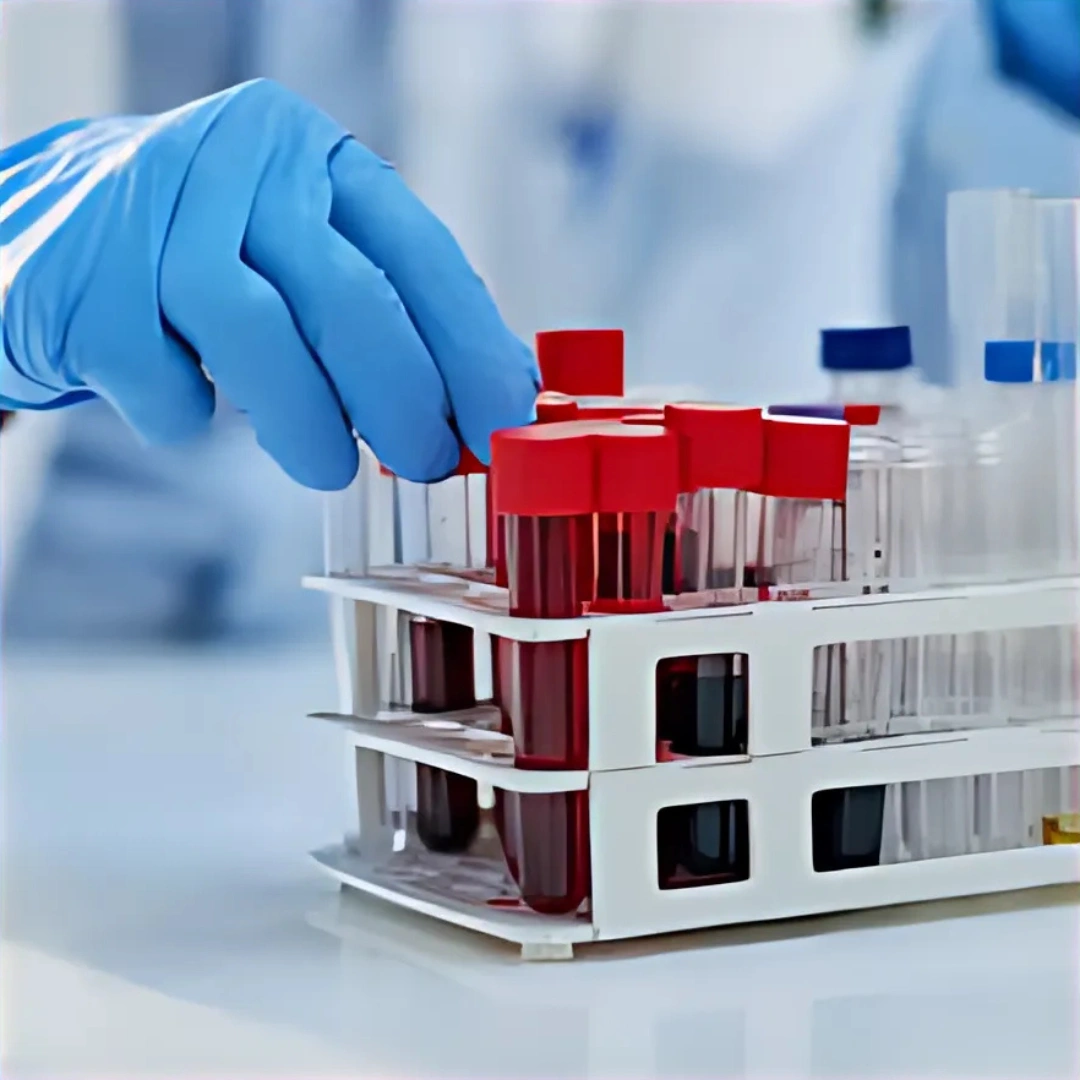
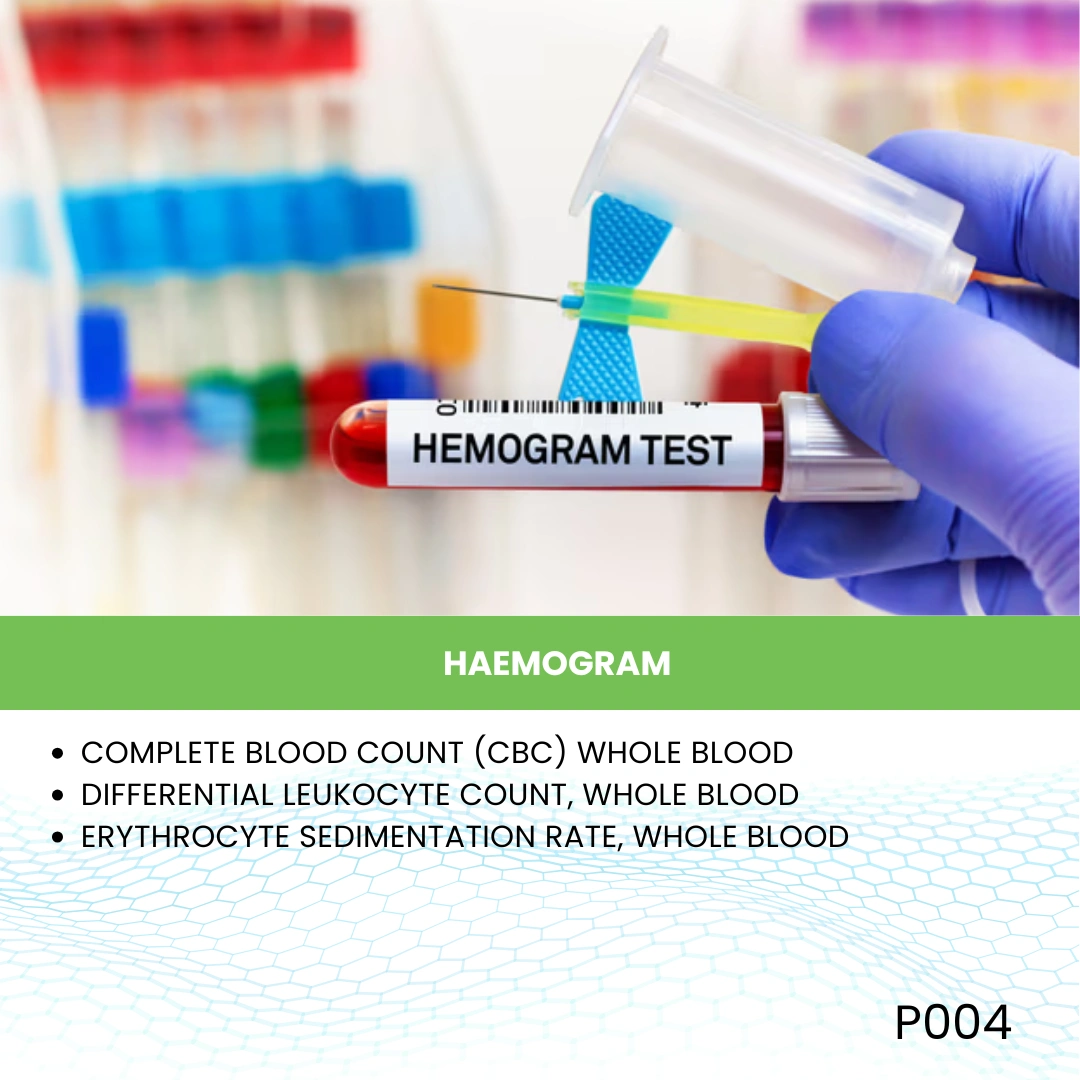
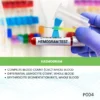
The Haemogram, also known as a Complete Blood Count (CBC), is a comprehensive blood test that measures the quantity and quality of various blood components. It includes red blood cells (RBC), white blood cells (WBC), hemoglobin, hematocrit, platelets, and red cell indices (MCV, MCH, MCHC). A haemogram provides an overall picture of blood health and is one of the most commonly performed diagnostic tests.
Uses
This test is used to:
- Detect anemia, infections, and bleeding disorders.
- Monitor overall health during routine check-ups.
- Assist in diagnosing blood cancers like leukemia or lymphoma.
- Evaluate response to medical treatments such as chemotherapy.
- Identify immune system abnormalities and chronic illnesses.
Symptoms That May Lead to the Test
A doctor may order a haemogram if you experience symptoms such as persistent fatigue, weakness, fever, unexplained weight loss, easy bruising, frequent infections, or bleeding tendencies. It may also be included in pre-surgical evaluations or regular wellness screenings.
Abnormal Results
Low Hemoglobin/Hematocrit: May indicate anemia due to nutritional deficiency, blood loss, or chronic illness.
High WBC Count: Suggests infections, inflammation, stress, or in rare cases, leukemia.
Low Platelet Count: May point to bleeding disorders, bone marrow disease, or immune system problems.
Abnormal RBC Indices: Help differentiate between types of anemia (iron deficiency, vitamin B12 deficiency, etc.).
Risks
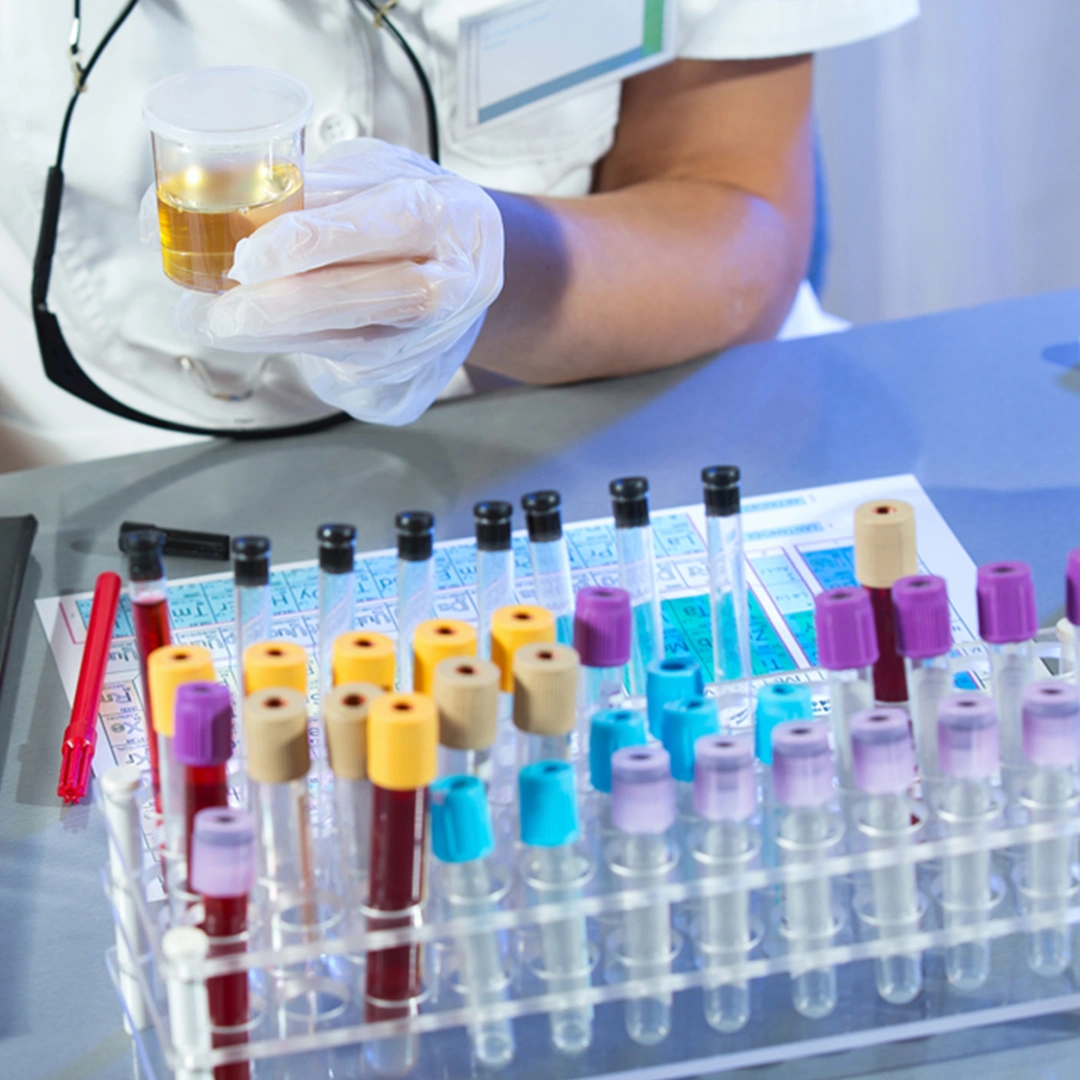
The haemogram requires a simple blood draw. Risks are minimal and limited to temporary pain, bruising, or dizziness at the puncture site. These effects usually resolve quickly.


Reviews
There are no reviews yet.