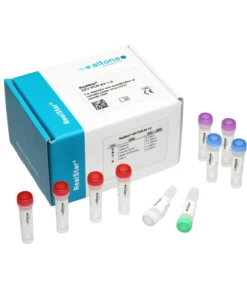
Hains Test (XDR) TB
What it is
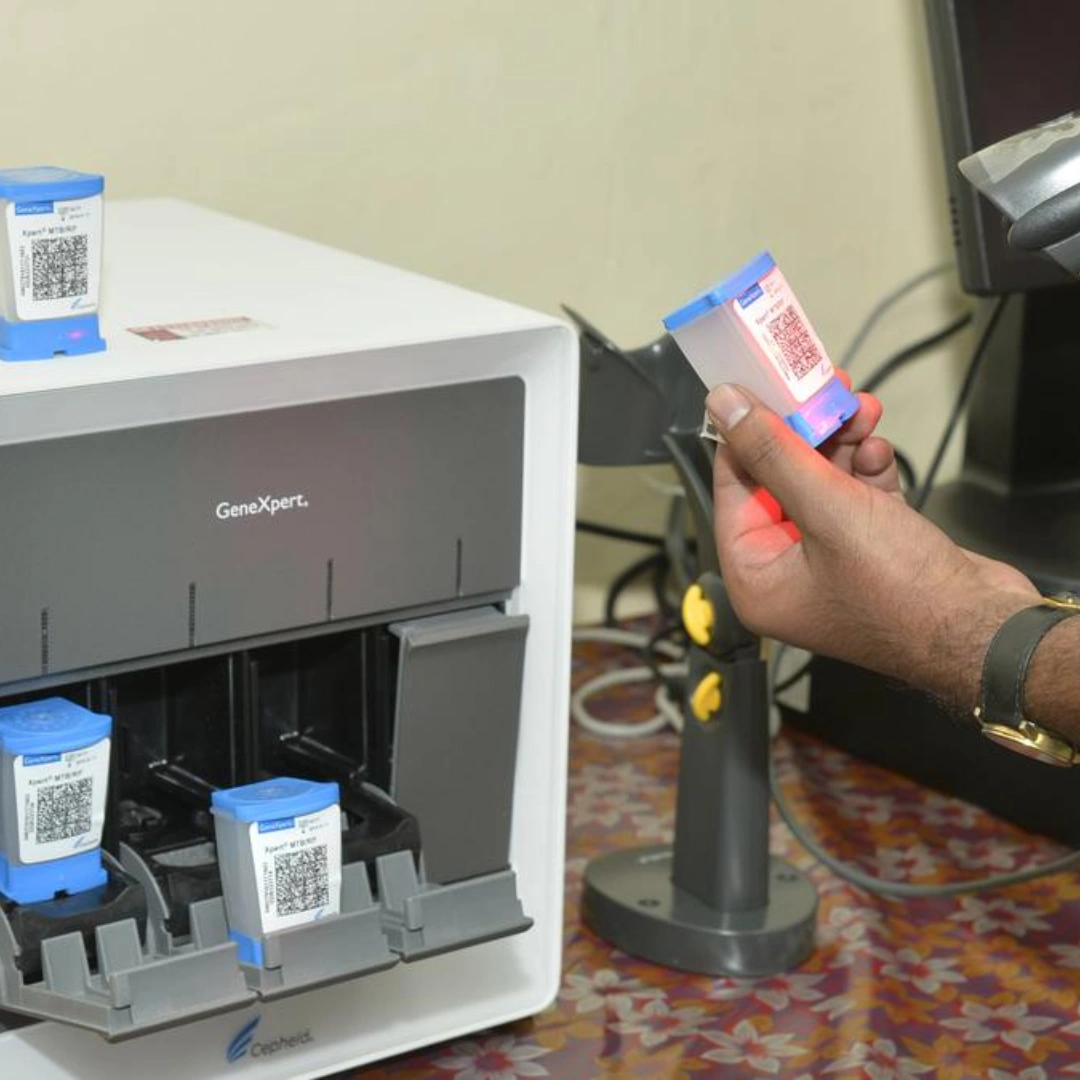
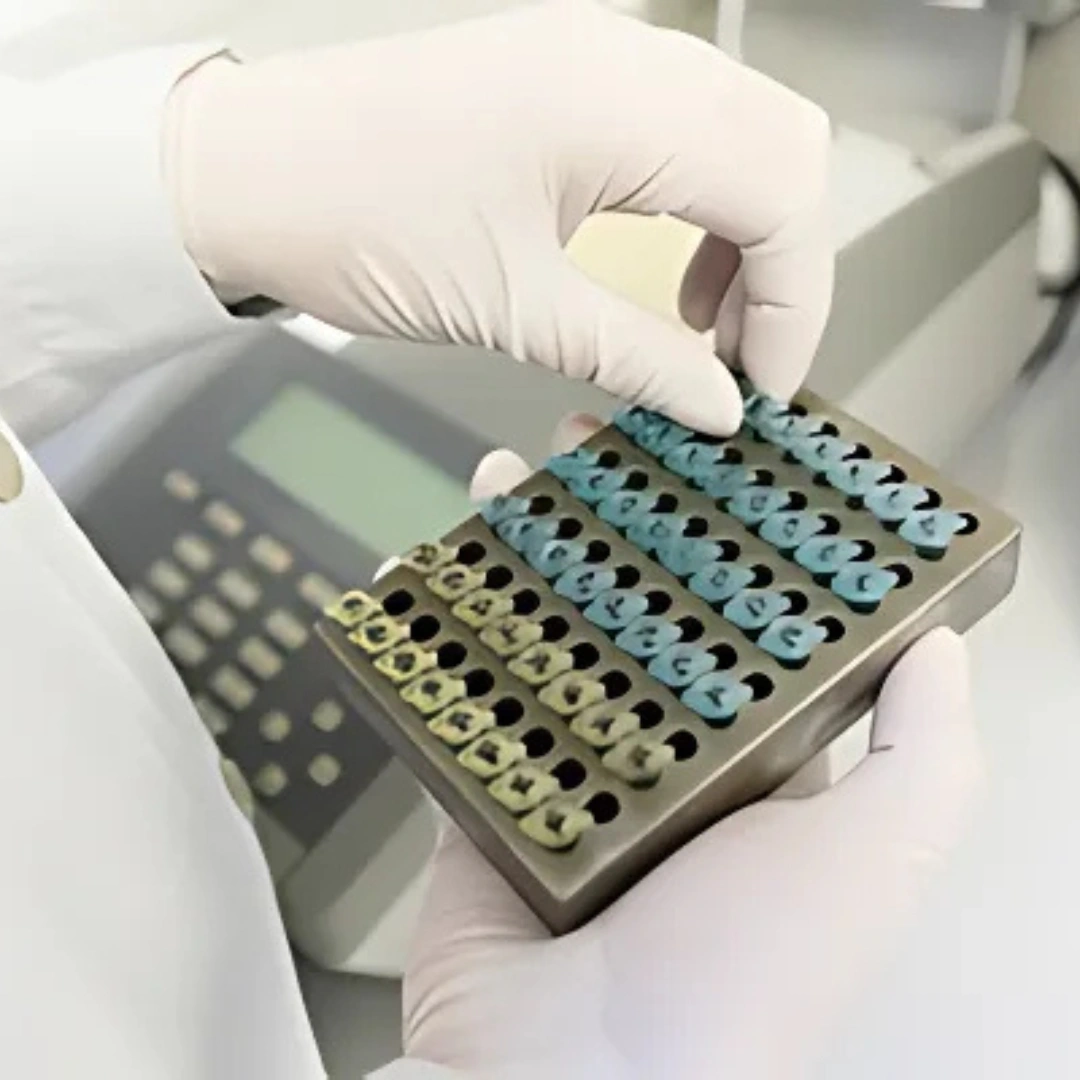
The Hains Test (XDR TB) is a molecular line probe assay used to detect extensively drug-resistant tuberculosis (XDR-TB). It identifies genetic mutations in the Mycobacterium tuberculosis genome that confer resistance to first-line drugs (isoniazid and rifampicin) as well as second-line drugs, particularly fluoroquinolones and injectable aminoglycosides. This test provides rapid results compared to traditional culture-based drug susceptibility testing.
Uses
This test is used to:
- Diagnose multidrug-resistant (MDR) and extensively drug-resistant (XDR) tuberculosis.
- Guide effective treatment regimens in patients with suspected drug-resistant TB.
- Support TB control programs in monitoring resistance patterns in high-burden areas.
- Reduce delays in identifying drug resistance compared to conventional culture tests.
Symptoms That May Lead to the Test
Your doctor may order the Hains Test if you have signs of tuberculosis (persistent cough lasting more than 2–3 weeks, weight loss, night sweats, fever, and hemoptysis) and there is a strong suspicion of drug resistance due to treatment failure, relapse, or exposure to a known drug-resistant TB patient.
Abnormal Results
Positive Result: Confirms resistance mutations associated with MDR-TB or XDR-TB. This indicates the need for alternative second-line or newer anti-TB drugs under expert supervision.
Negative Result: Suggests no detectable resistance mutations to the drugs tested. However, culture-based drug susceptibility testing may still be advised for confirmation.
Risks
The test requires a sputum or respiratory specimen. Risks are minimal and limited to standard specimen collection procedures. There are no direct risks from the molecular testing process itself.


Reviews
There are no reviews yet.