HB & HCT (Hemoglobin & Hematocrit), Whole Blood
What it is
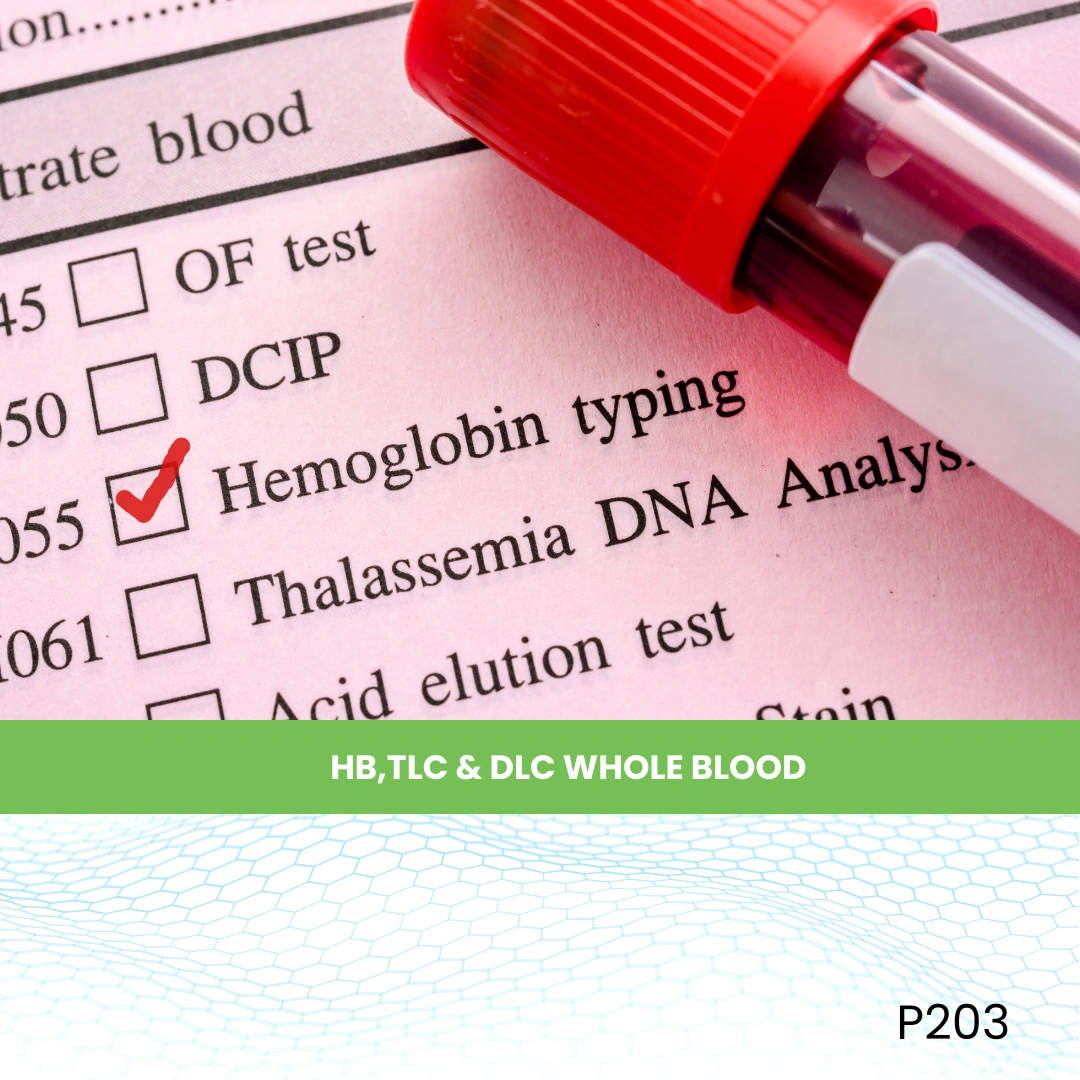
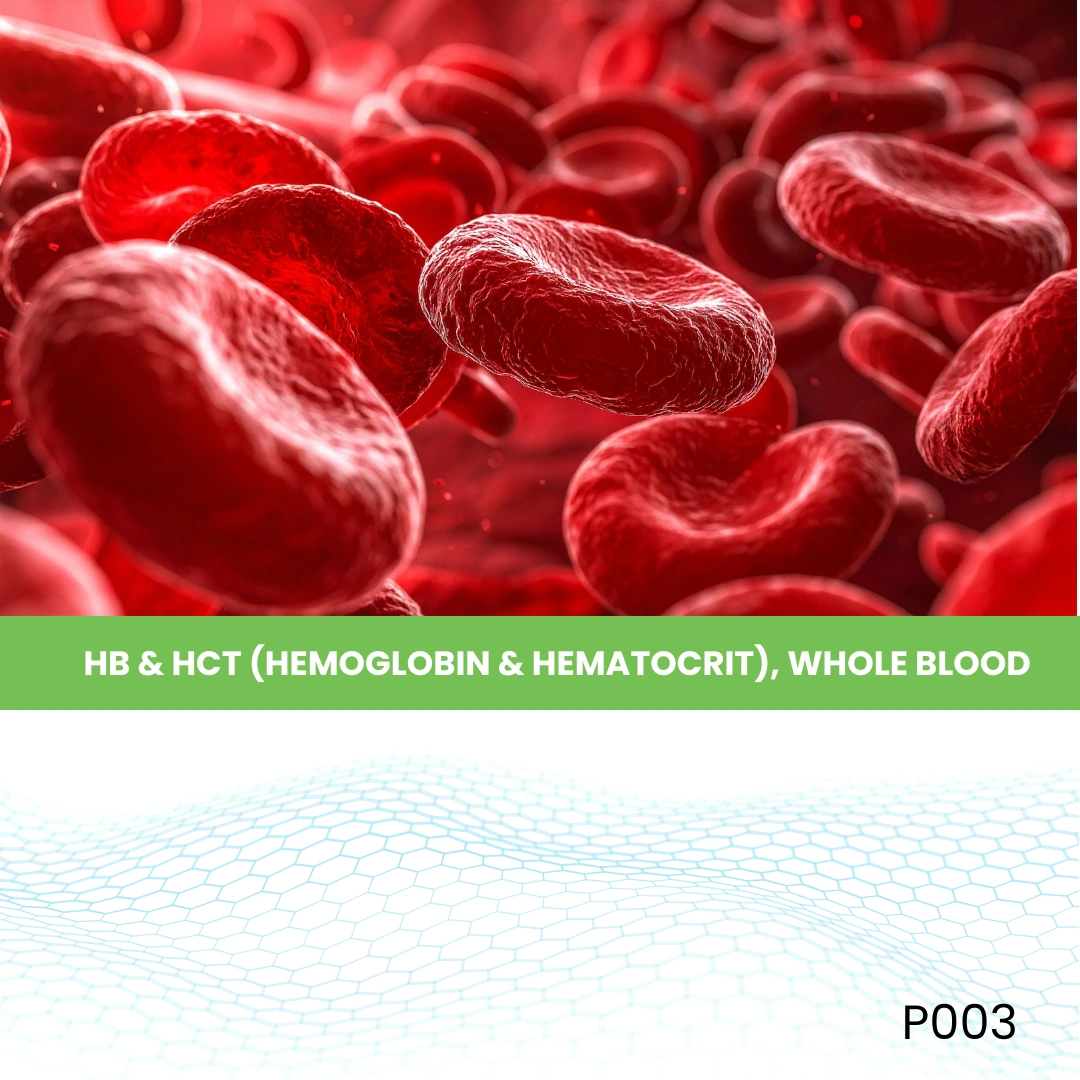
The Hemoglobin (Hb) and Hematocrit (HCT) test measures two essential components of blood. Hemoglobin is the oxygen-carrying protein in red blood cells, while hematocrit is the percentage of red blood cells in relation to total blood volume. Together, these values help assess red cell status, oxygen-carrying capacity, and overall blood health.
Uses
This test is used to:
- Screen for and diagnose anemia, polycythemia, and other red blood cell disorders.
- Monitor patients with chronic conditions affecting blood production (e.g., kidney disease, bone marrow disorders).
- Evaluate blood loss, dehydration, or response to medical treatment such as transfusions or iron therapy.
- Assess general health during routine check-ups or pre-surgical evaluations.
Symptoms That May Lead to the Test
Your doctor may recommend Hb & HCT testing if you experience persistent fatigue, weakness, dizziness, shortness of breath, paleness, unexplained weight loss, or frequent infections. It may also be requested after major bleeding episodes or as part of pregnancy monitoring.
Abnormal Results
Low Hemoglobin and Hematocrit: Suggests anemia, which may result from iron, vitamin B12, or folate deficiency, chronic disease, or blood loss.
High Hemoglobin and Hematocrit: May indicate dehydration, polycythemia vera, smoking-related changes, or chronic lung and heart conditions.
Interpretation is often combined with other blood indices such as MCV, MCH, and RBC count for accurate diagnosis.
Risks
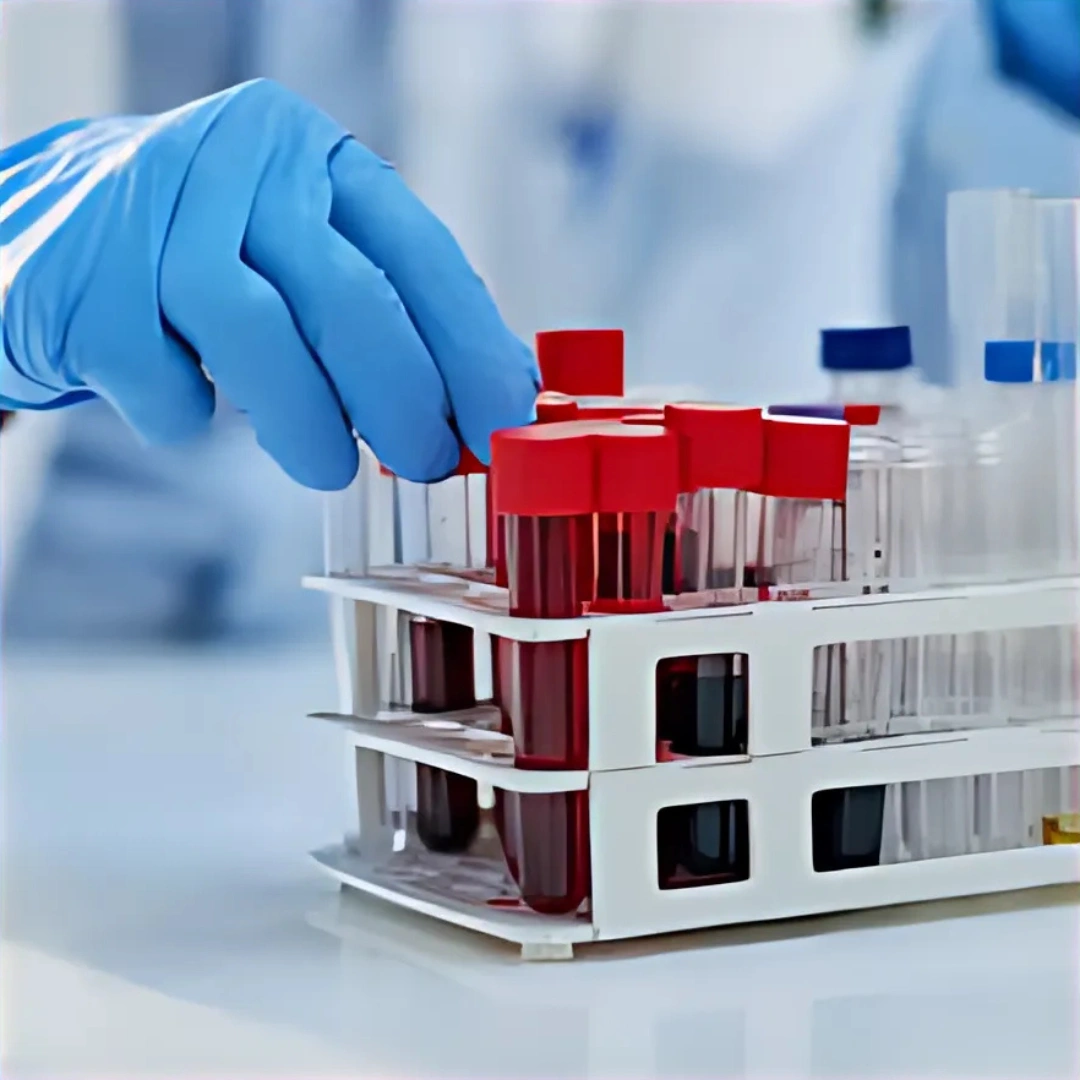
The test involves a simple blood draw. Risks are minimal and may include mild bruising, slight pain, or temporary dizziness at the puncture site. These effects typically resolve quickly without complications.


Reviews
There are no reviews yet.