HbA1c (Glycosylated Hemoglobin), Whole Blood
What it is
The HbA1c test, also known as Glycosylated Hemoglobin or A1c, measures the average blood glucose levels over the past 2–3 months. It reflects the percentage of hemoglobin in the blood that is bound to glucose. Unlike daily glucose tests, HbA1c provides a long-term overview of blood sugar control, making it an essential tool in managing and diagnosing diabetes.
Uses
This test is used to:
- Diagnose diabetes and prediabetes.
- Monitor long-term glucose control in patients with type 1 or type 2 diabetes.
- Assess effectiveness of diabetes treatment plans (medications, insulin, lifestyle changes).
- Predict risk of diabetes-related complications such as neuropathy, nephropathy, and cardiovascular disease.
Symptoms That May Lead to the Test
Doctors may order this test if you experience symptoms of diabetes such as excessive thirst, frequent urination, fatigue, unexplained weight loss, or blurred vision. It is also routinely recommended for individuals with known diabetes to monitor control every 3–6 months.
Abnormal Results
Normal: Below 5.7% – suggests healthy blood sugar levels.
Prediabetes: 5.7% – 6.4% – indicates increased risk of developing diabetes.
Diabetes: ≥ 6.5% – confirms diagnosis of diabetes (needs repeat testing for confirmation in most cases).
Target for Diabetes Control: Most diabetic patients aim for HbA1c < 7%, but goals may vary depending on age, comorbidities, and treatment plan.
Risks
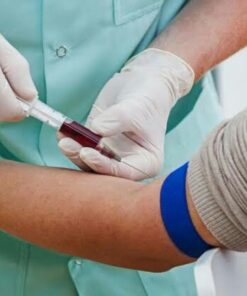
The test requires a standard blood draw from a vein. Risks are minimal and limited to slight pain, bruising, or temporary dizziness at the puncture site. These side effects are mild and usually resolve quickly.


Reviews
There are no reviews yet.