HB, TLC & DLC (Whole Blood)
What it is
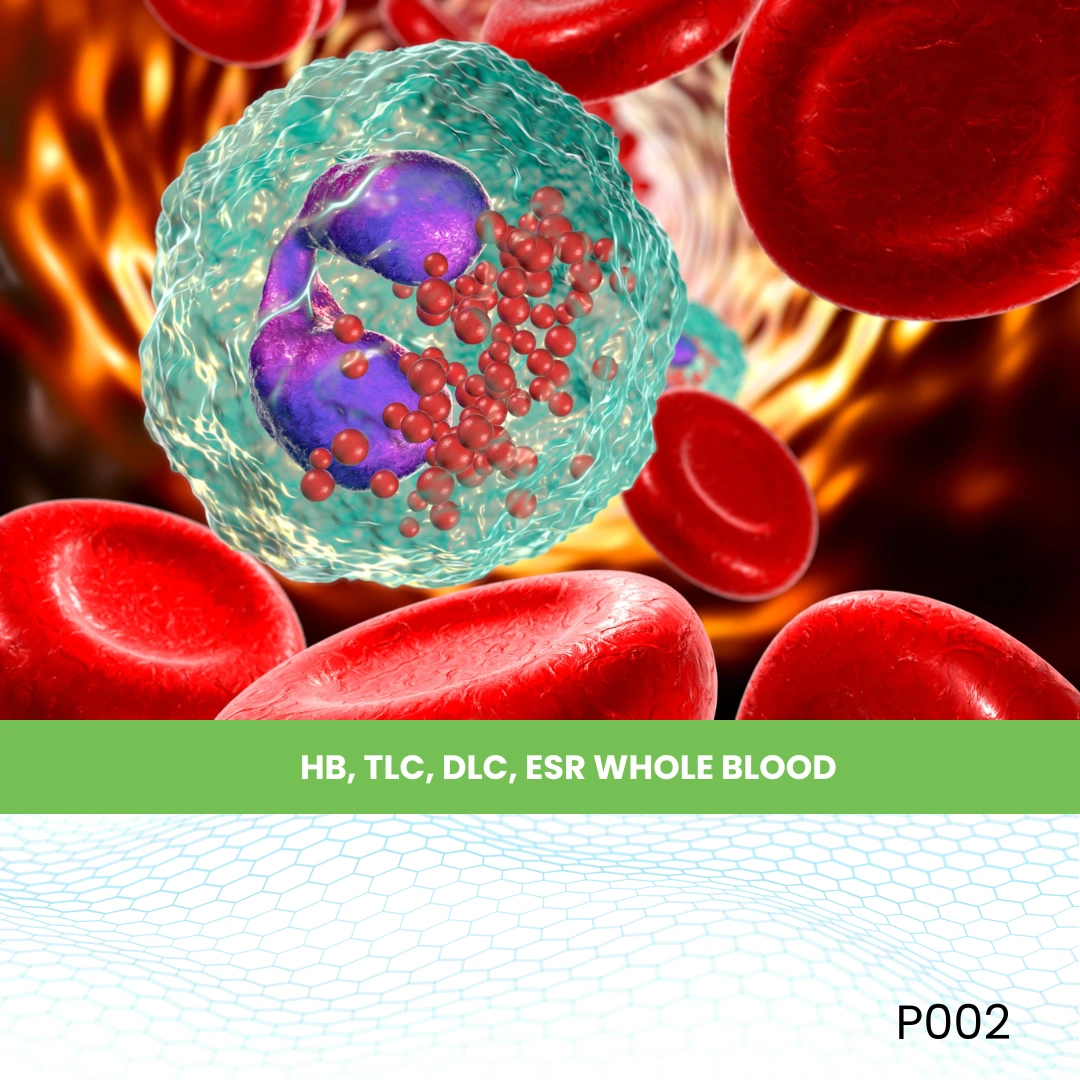
The HB, TLC & DLC test is a set of routine hematology investigations performed on whole blood. It measures:
- Hemoglobin (Hb): The oxygen-carrying protein in red blood cells.
- Total Leukocyte Count (TLC): The total number of white blood cells, which fight infections.
- Differential Leukocyte Count (DLC): A breakdown of white blood cell subtypes (neutrophils, lymphocytes, monocytes, eosinophils, and basophils) to assess immune response.
Uses
This combination test is used to:
- Detect anemia and related red blood cell disorders (via hemoglobin levels).
- Identify infections, inflammation, and immune-related conditions.
- Help diagnose blood disorders and support monitoring of chronic illnesses.
- Serve as a basic health screening during check-ups or pre-surgical evaluations.
Symptoms That May Lead to the Test
Your doctor may recommend HB, TLC & DLC if you have persistent fatigue, weakness, frequent infections, fever, unexplained weight loss, or symptoms of anemia. It is also a common part of baseline health checks.
Abnormal Results
Low Hemoglobin: Indicates anemia, possibly due to iron or vitamin deficiencies, blood loss, or chronic illness.
High/Low TLC: Elevated counts suggest infection or inflammation, while low counts may indicate viral infections, bone marrow suppression, or immune disorders.
Abnormal DLC: Increased neutrophils may point to bacterial infections; raised lymphocytes suggest viral infections; high eosinophils may indicate allergies or parasitic infections.
Risks
This test requires a simple blood draw. Risks are minimal, including mild bruising, pain, or temporary dizziness at the puncture site, which usually resolve quickly.


Reviews
There are no reviews yet.