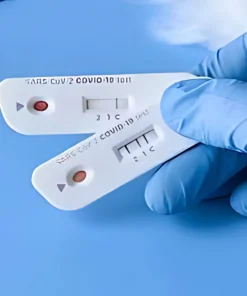
HCV (Qualitative) Detection Test
What it is
The HCV (Qualitative) Detection Test is a molecular diagnostic test that identifies the presence of Hepatitis C virus (HCV) RNA in the blood. Using nucleic acid amplification techniques such as PCR, it provides a simple “positive” or “negative” result. This test confirms whether the virus is actively present, distinguishing between past exposure and current infection.
Uses
This test is used to:
- Confirm active HCV infection after a positive HCV antibody screening test.
- Differentiate between resolved infection and ongoing viral replication.
- Identify individuals who need further HCV management and treatment.
- Support blood donor screening and public health surveillance.
Symptoms That May Lead to the Test
Your doctor may recommend this test if you have symptoms such as persistent fatigue, abdominal discomfort, jaundice, dark urine, nausea, or unexplained elevation in liver enzymes. It is also advised if you are at risk due to IV drug use, unsafe blood transfusions, unprotected sex, dialysis, or occupational exposure.
Abnormal Results
Positive HCV RNA (Qualitative): Indicates an active hepatitis C infection, requiring further evaluation and possible antiviral therapy.
Negative HCV RNA (Qualitative): Suggests no detectable active infection. If antibodies are present but RNA is negative, it may indicate past resolved infection or successful treatment.
For disease monitoring and treatment planning, the HCV RNA Quantitative Test (viral load) and HCV Genotyping are often recommended in addition.
Risks
The test requires a standard blood sample. Risks are minimal, including mild pain, bruising, or dizziness at the puncture site, which typically resolve quickly.


Reviews
There are no reviews yet.