Helicobacter pylori IgA Antibodies
What it is
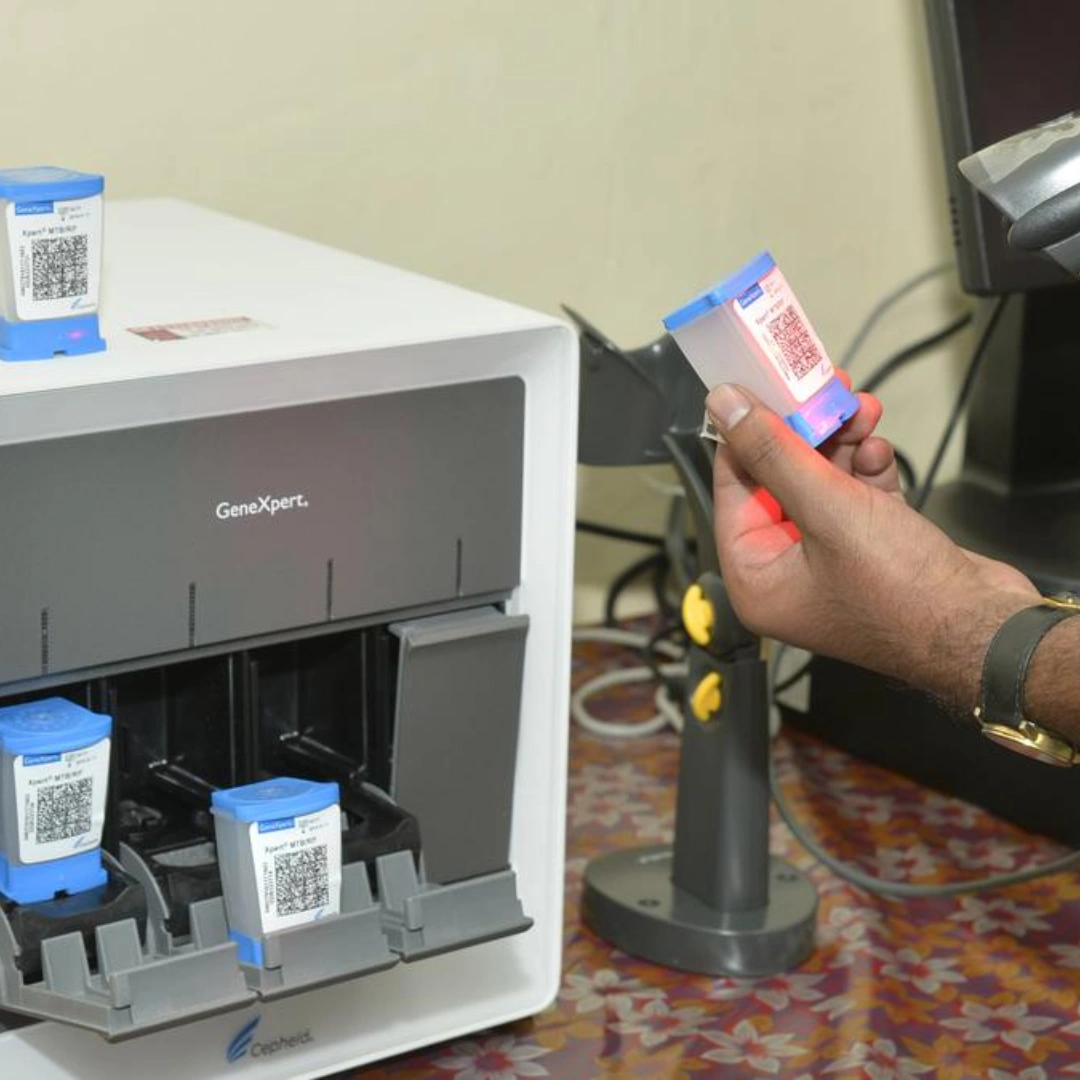
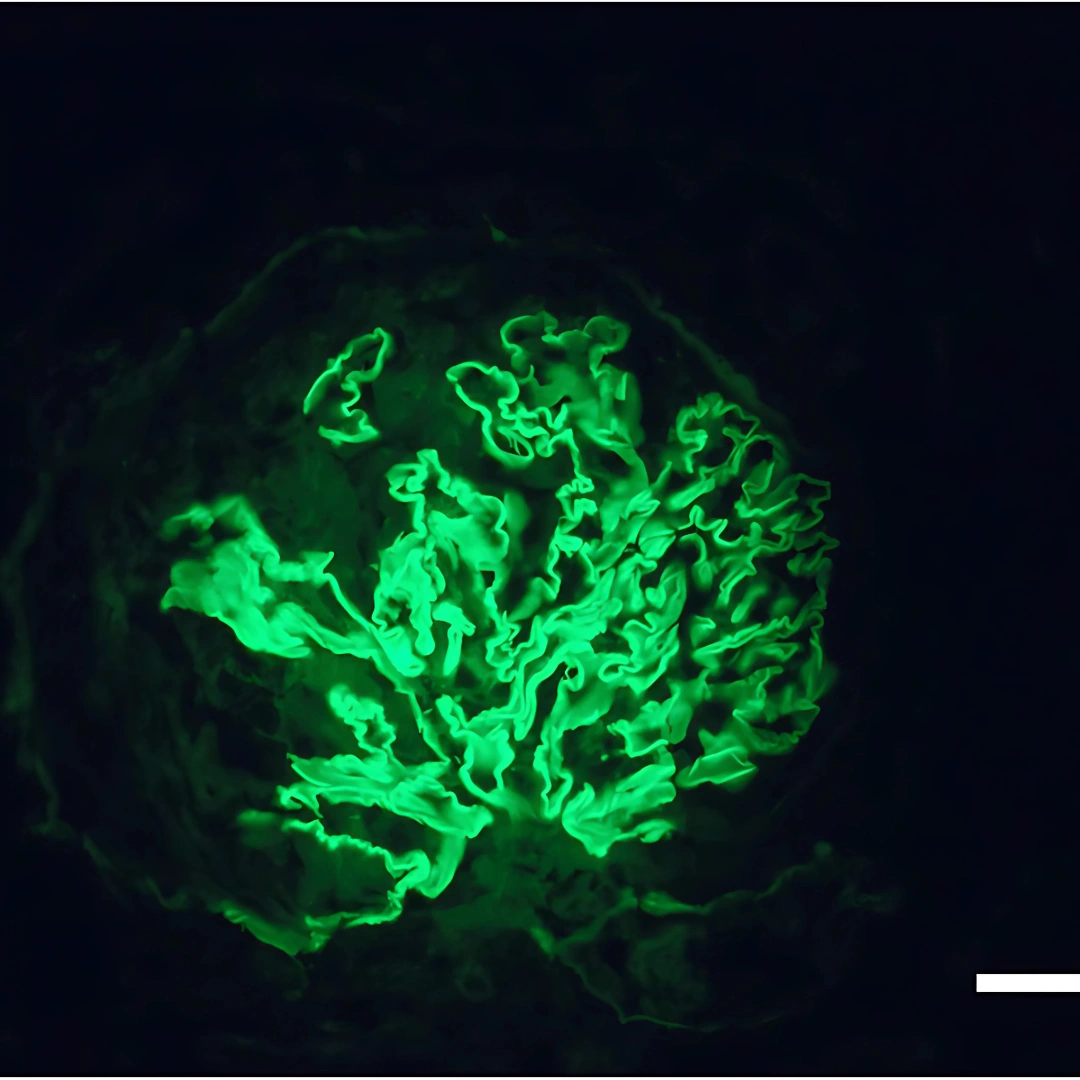
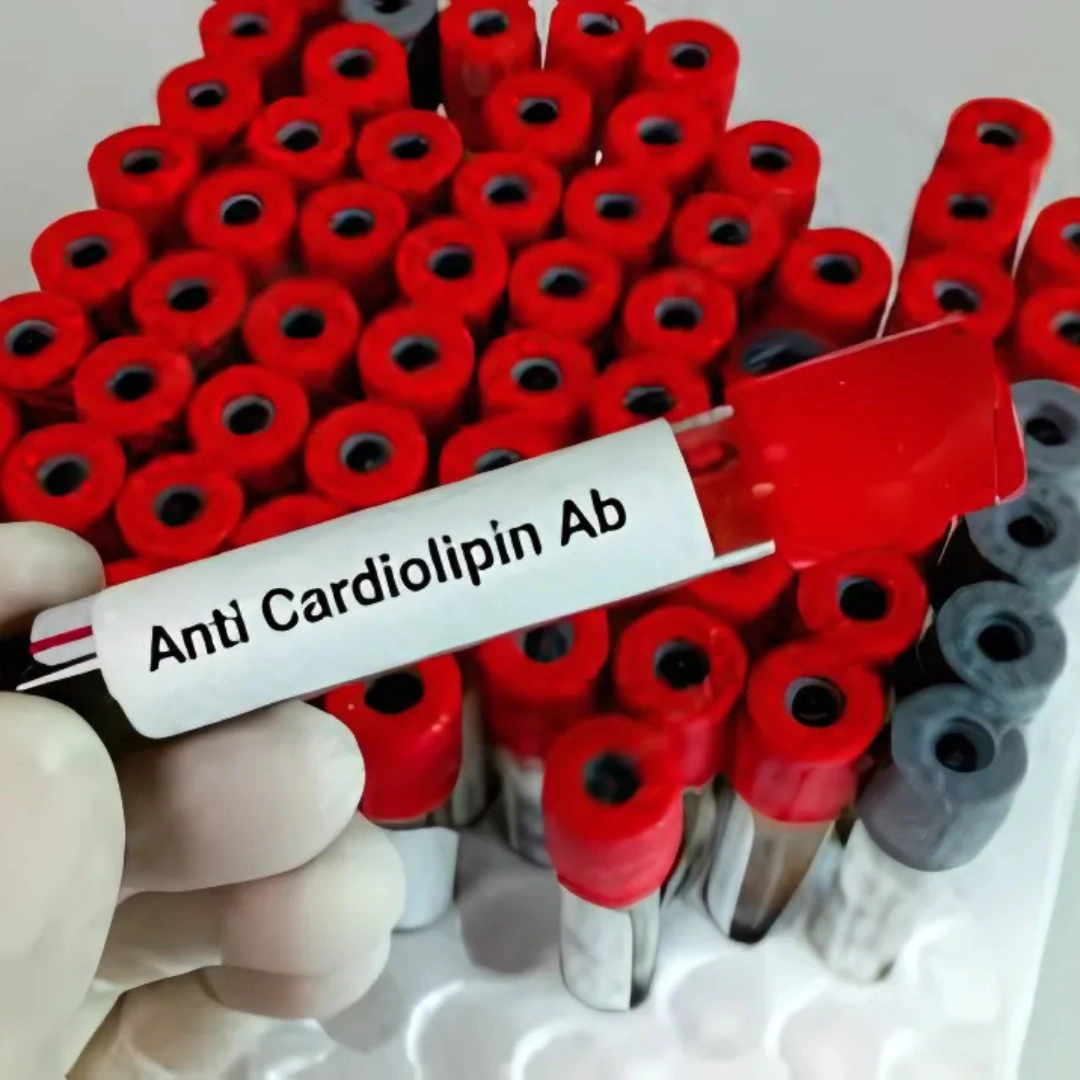
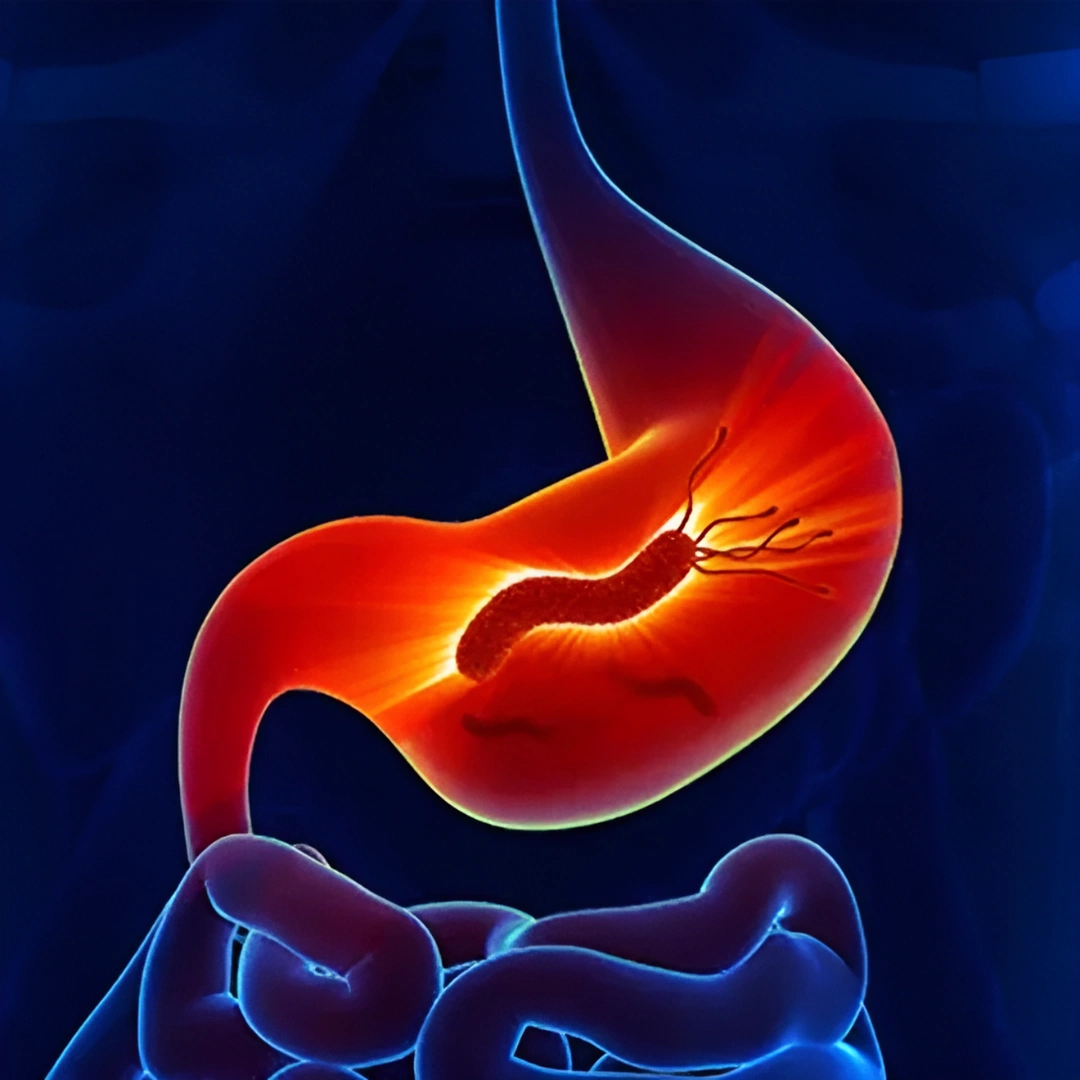
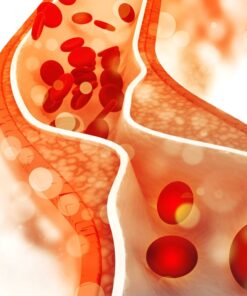
The Helicobacter pylori (H. pylori) IgA Antibodies test is a blood test that detects the presence of IgA class antibodies against the H. pylori bacteria. This organism infects the stomach lining and is a major cause of chronic gastritis, peptic ulcers, and has been linked to gastric cancer. IgA antibodies indicate active or recent infection and are often tested along with IgG antibodies for a clearer diagnostic picture.
Uses
This test is used to:
- Help diagnose an active H. pylori infection in patients with gastrointestinal symptoms.
- Support the evaluation of chronic gastritis or gastric ulcers.
- Monitor patients after treatment, although urea breath test or stool antigen test is more commonly used for eradication confirmation.
- Identify patients at risk for complications like gastric carcinoma or mucosa-associated lymphoid tissue (MALT) lymphoma.
Symptoms That May Lead to the Test
Doctors may order this test if you present with symptoms such as persistent upper abdominal pain, bloating, nausea, loss of appetite, unexplained weight loss, recurrent indigestion, or evidence of gastrointestinal bleeding (vomiting blood, black stools).
Abnormal Results
Positive H. pylori IgA: Suggests active or recent H. pylori infection. Further confirmation with stool antigen test, urea breath test, or biopsy may be required.
Negative H. pylori IgA: Suggests no active infection. However, early infection or infections detected only by IgG may still be possible, so clinical correlation is important.
Risks
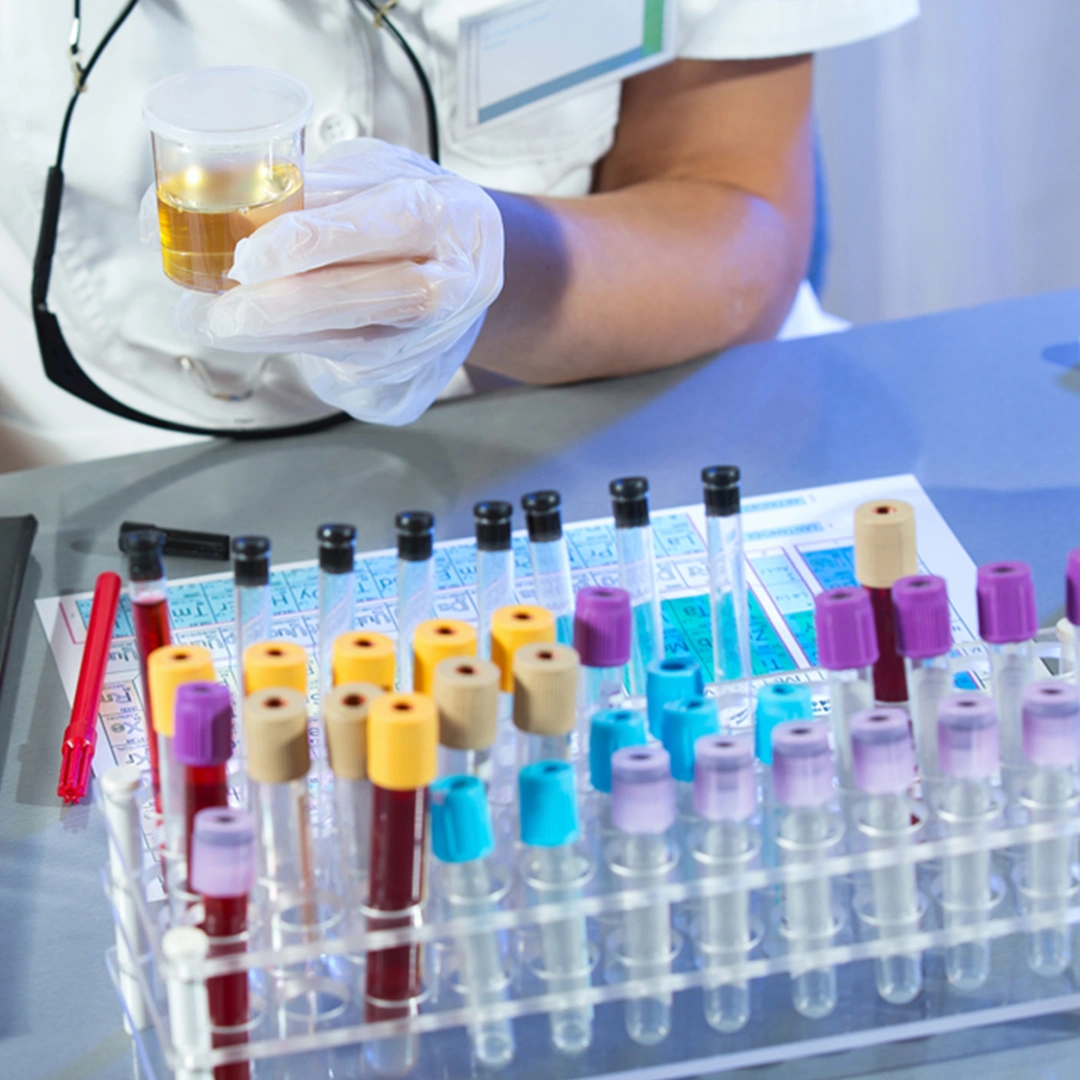
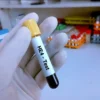
The test requires a standard blood sample. Risks are minimal and limited to slight pain, mild bruising, or temporary dizziness at the puncture site. These usually resolve quickly.


Reviews
There are no reviews yet.