Hematologic Disorder Karyotyping (CML, AML, APML, ALL)
What it is
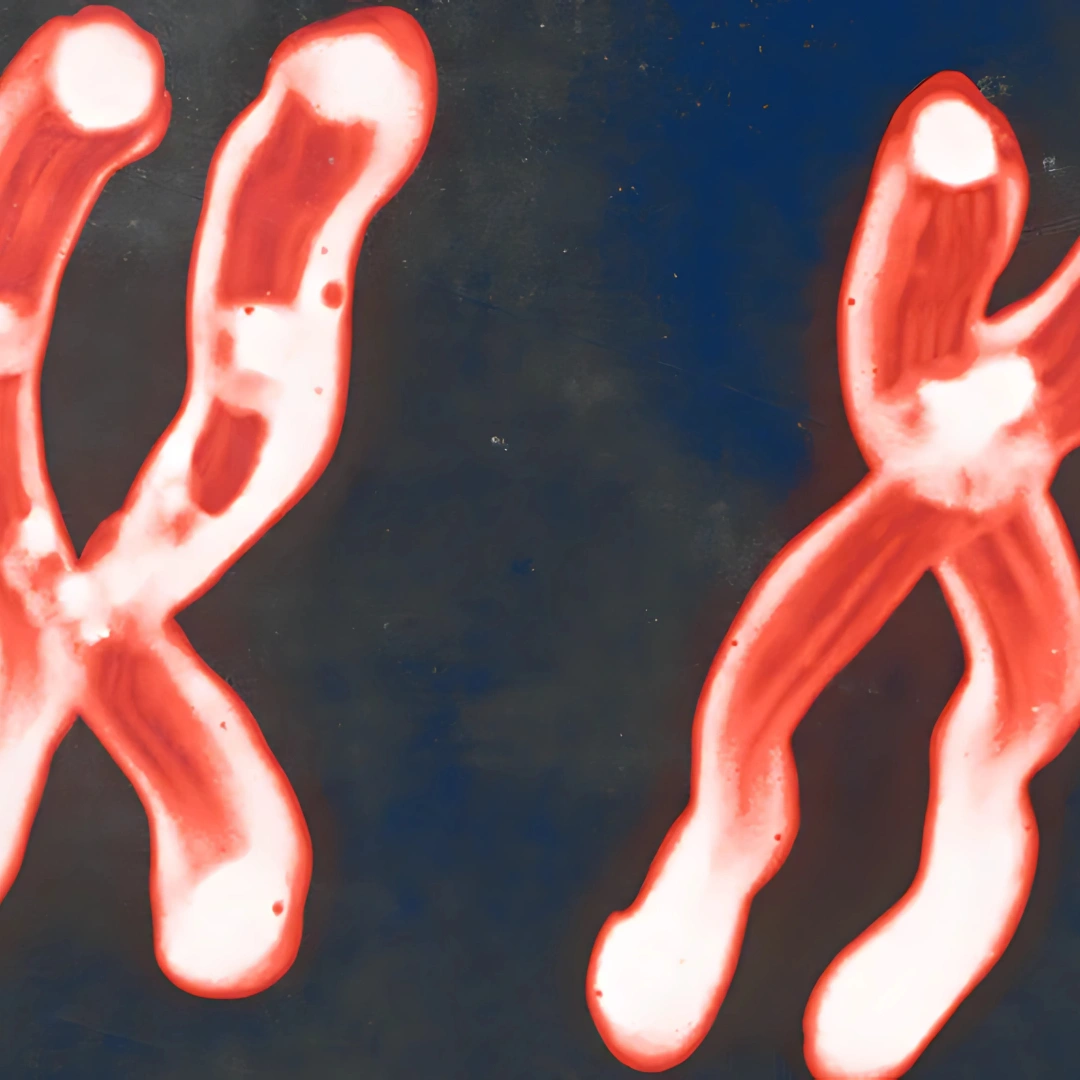
Hematologic Disorder Karyotyping is a specialized genetic test that examines the chromosomes of bone marrow or blood cells under a microscope. It helps detect structural and numerical abnormalities associated with blood cancers such as Chronic Myeloid Leukemia (CML), Acute Myeloid Leukemia (AML), Acute Promyelocytic Leukemia (APML), and Acute Lymphoblastic Leukemia (ALL). By identifying chromosomal changes like translocations, deletions, or duplications, karyotyping provides crucial diagnostic and prognostic information.
Uses
This test is used to:
- Confirm diagnosis of hematologic malignancies such as CML, AML, APML, and ALL.
- Identify specific chromosomal abnormalities (e.g., Philadelphia chromosome t(9;22) in CML, t(15;17) in APML).
- Guide treatment decisions, including targeted therapies.
- Predict disease prognosis and risk stratification.
- Monitor response to therapy and detect relapse.
Symptoms That May Lead to the Test
Your doctor may recommend karyotyping if you show signs of blood or bone marrow disorders such as persistent fatigue, unexplained anemia, easy bruising, frequent infections, bone pain, fever, enlarged spleen or lymph nodes, or abnormal complete blood count (CBC) results.
Abnormal Results
Chromosomal Translocations: e.g., Philadelphia chromosome (CML), t(15;17) (APML), t(8;21) (AML), or t(9;22) (ALL).
Deletions/Duplications: May suggest aggressive disease or poor prognosis.
Normal Karyotype: Does not rule out leukemia, as some abnormalities may only be detected with more advanced molecular tests such as FISH or PCR.
Risks
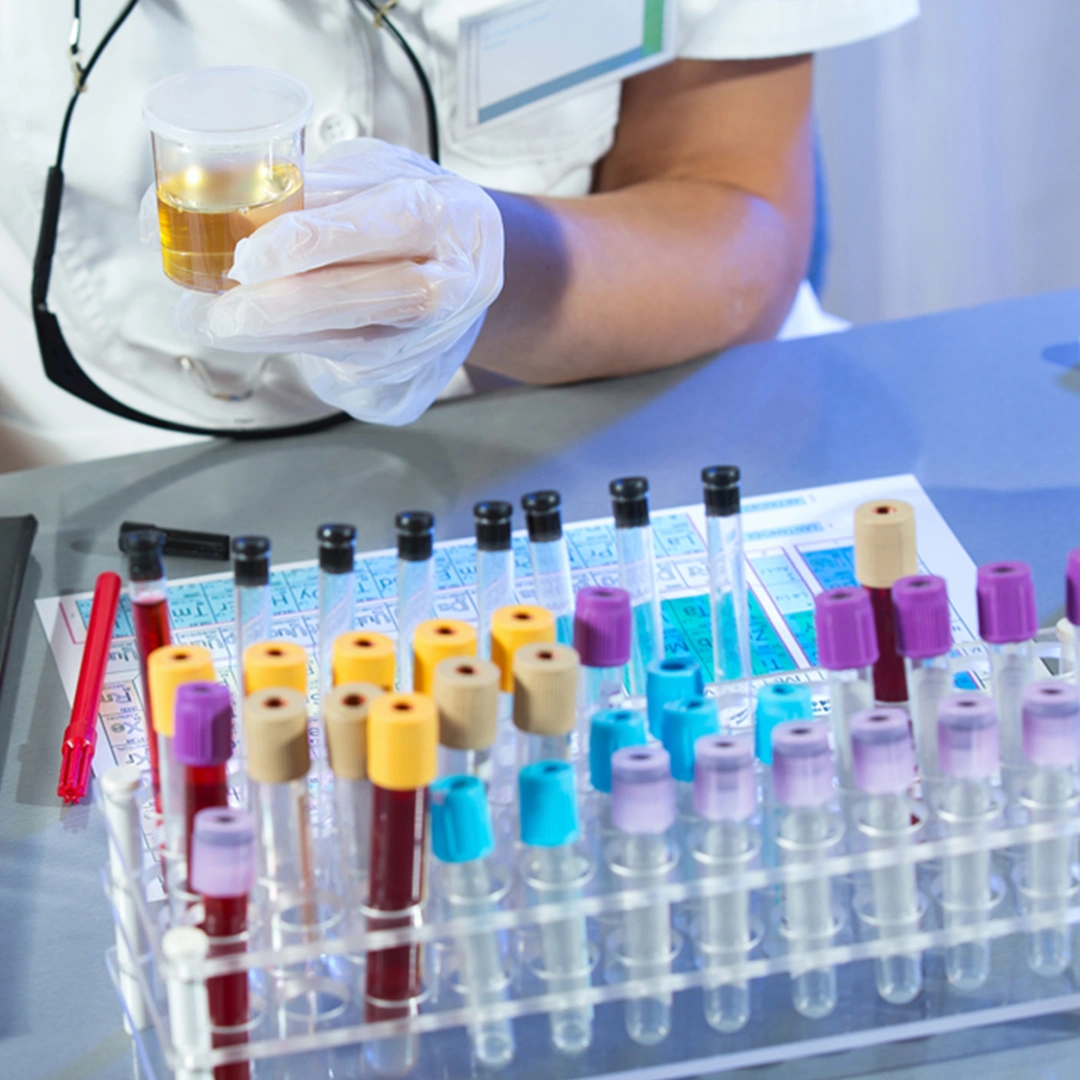
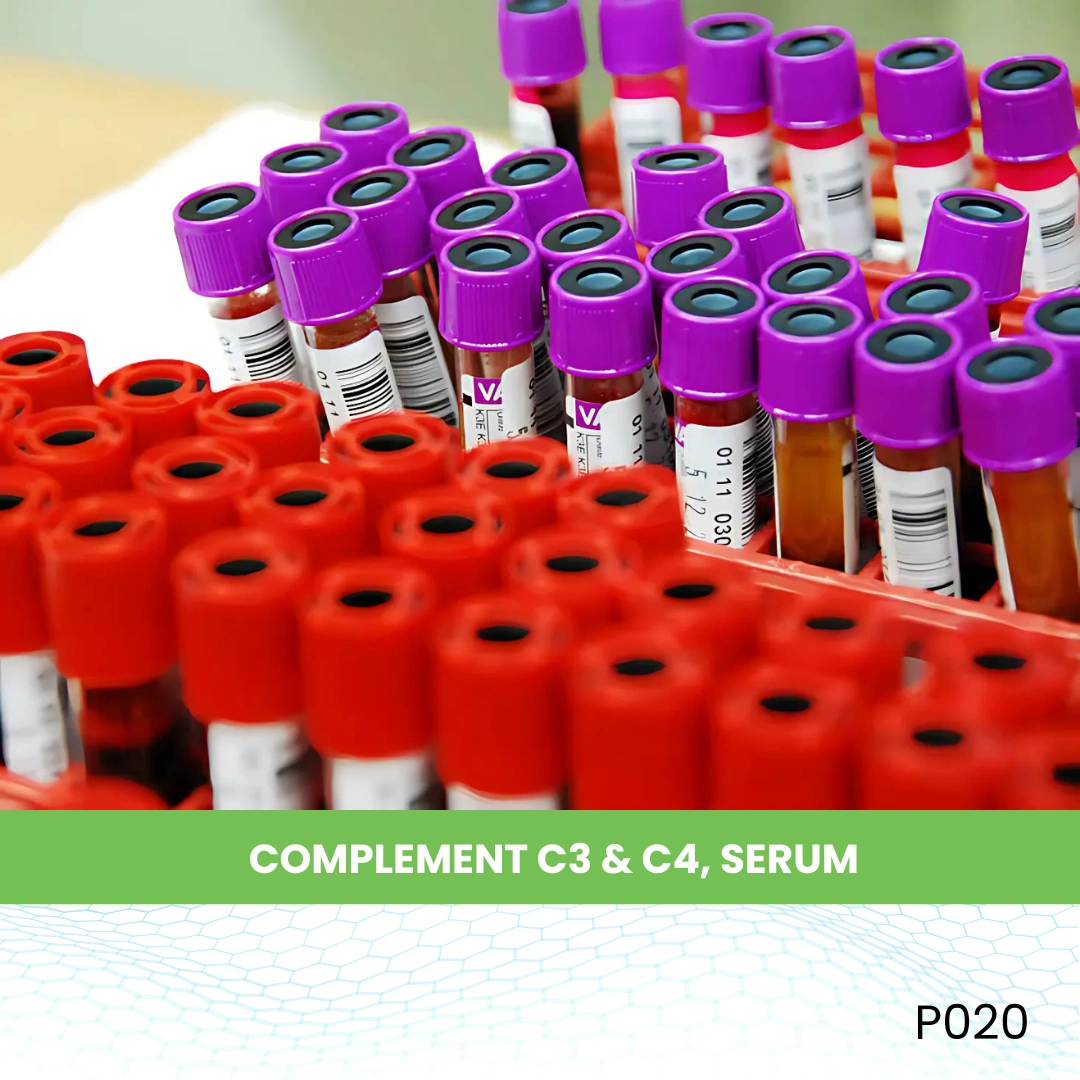
Karyotyping requires a blood or bone marrow sample. Risks are minimal but may include mild pain, bruising, or discomfort at the collection site. Bone marrow aspiration may also cause temporary soreness.


Reviews
There are no reviews yet.